

Medicinal uses of Capsicum annum (Cayenne)
Cayenne is used for relieving gas and colic, to treat headaches, arthritis, rheumatism, neuralgia, menstrual cramps, indigestion, psoriasis, colds, fevers, muscle pain, some types of herpes, and to increase appetite and sweating.
According to research, Capsicum annum possesses a constituent called Capsaicin and properties such as stomachic, carminative, stimulant, antispasmodic, analgesic, alterative, astringent, hemostatic, and antiseptic.
Capsicum annum is also rich in Vitamins A. C. and B complex, and organic calcium and potassium as minerals. Capscum annum (Cayenne) is widely suggested as a heart stimulant and for its substantial antigenotoxic and anticarcinogenic effects, and as an important dietary phytochemical with potential chemopreventive activity.
Capsicum annum has a strong effect upon the circulatory system, initially acting upon the heart and large arteries, followed by a stimulatory action upon the arterioles and the capillaries.
It has long been a valuable herb in many countries of the world including United Kingdom, Japan and other countries of Eastern Asia. Capsicum annum is also good for entire digestive and other systems of the body and it increases the effectiveness of other herbs when used with them.
Several studies have indicated that Capsaicin depletes substance P in afferent type C sensory nerve fibers and treats pains without affecting the other aspects of the nervous system.

Latin Name: Capsicum annum
Sanskrit Name: Katuvira
Indian Name: mirchi
English Name: Cayenne, Chili pepper, Cayenne pepper, Red pepper
Family Name: Solanaceae
Parts used: Fruits

Medicinal uses of Chlorophytum borivilianum (Safed Musli)
Safed Musli is a chief ingredient in the preparation of over a hundred Ayurvedic formulations. Besides its extensive use in Ayurveda and other conventional medicinal systems of Asia, Safed Musli is also gaining acceptance as a vitalizer and a health tonic, a curative for pre-natal and post-natal problems, a restorative for immunity-improvement and as a remedy for diabetes and arthritis.
Alongside, the recent discovery of Safed Musli as a natural and safe aphrodisiac agent has also opened up new channels of application and new demand for it. By virtue of being a herb, Safed Musli has been found to be an ideal aphrodisiac with no negative side-effects and is now manufactured as an alternative to Viagra.
Safed Musli acts as a good healing agent and acts as an excellent anti-ageing constituent in many medicines. It is a good boost up for a person's health while maintaining good hemoglobin level. It prevents fatigue in human beings and augments their resistance to pressure if taken in proper dosage. Safed Musli forms an important part of diabetic patient and helps in maintaining sugar level in the blood.
Safed Musli outstanding medicinal properties have become an important staple in bodybuilding supplements. Safed Musli is comprised of many steroidal glycosides. It contains compounds such as 8-hexadecenoic acid, palmitic acid, 3-heptadecanone, methyl pentacosanoate and stearic acid.
The ever-growing interest in natural products has boosted the demand for Safed Musli especially in Europe, United States and many countries of Gulf. With increasing popularity around the world, the plant is continually being researched and tested in new herbal remedies and products.
Ayurvedic literature celebrates Safed Musli as a miracle plant with amazing abilities. Some of this literature includes Rasendra Sarsangrah, Bhavaprakash nighantu and Raja Ballabh Nighantu where the plant is referred to as "Vajikaran" meaning aphrodisiac.
The underlying benefits of the Safed Musli plant are the saponins within in. Saponins are found in the roots and have tremendous therapeutic abilities. Their name is derived from the Latin word for "soap" which refers to the frothy nature of saponins when they are combined with water.
Saponins contain natural medicinal properties which promote optimum health. They are involved in hemolysis, stimulate the immune system, act as expectorants and reduce inflammation. Saponins also contain properties that combat fungi, bacteria and protozoa.
Recently, research on how the saponins contained in Safed Musli effect testosterone has shown traces of stigmasterol as well as hecogenin. Both of these components are ideal ingredients for natural bodybuilding. Stigmasterol shares a similar structure to testosterone. It is believed to latch on to the same body receptors that testosterone attaches to which causes stigmasterol to act nearly the same as testosterone. In similar fashion, hecogenin has an ability to convert to specific compounds that resemble testosterone and yields the same results on the body.
Taking Safed Musli benefits the body in many different ways. It can improve strength and physical endurance, buffer lactic acid, fight general body weakness, aid in recovering from the physical exhaustion of exercise and build muscle mass while lowering heart and respiration rates as well as systolic blood pressure. Other effects include an elevated libido, sperm count and helping to increase spermatosis.
Besides its uses as a bodybuilding agent, the Safed Musli plant is frequently used as an alternative to the popular drug Viagra. Safed Musli is also used in treating general debility, arthritis and diabetes, and to improve immune functions as well as a cure for natal and post-natal complications.
Common name: Safed Musli, Safed moosli
Botanical name: Chlorophytum borivilianum
Family: Liliaceae (Lily family)
Parts used: Tuberous root

Latin Name: Cinnamomum tamala or Verum
Sanskrit Name: Taj, Tamalpatra
Indian Name: Tejpatta, Nagdanti
English Name: Cinnamon, Cylon Cinnamon, Indian Cinnamon
Family Name: Flacourtiaceae
Parts used: Bark, Leaf, Oil
Medicinal uses of Cinnamomum tamala (Cinnamon)
Cinnamon was first used by Indies and Arabians as a spice, tea, and then prescribed as a cure for respiratory disorders including flu, sinus, asthma and chronic inflammation of the mucous membrane.
It possesses anti-spasmodic, antifungal, antibacterial and carminative agents. It is useful in treating gastritis, chronic fatigue, poor circulation, rheumatism, diarrhea, menstrual problems, and leucorrhea.
Cinnamon contains an essential oil extracted from the bark and consists of eugenol as a consitituent. It also contains moisture, protein, fat, fiber, carbohydrates and ash, calcium, phosphorous, iron, sodium, potassium, thiamine, riboflavin, niacin, vitamin C and A.
-
Cinnamon and black pepper powder in a form of decoction along with honey, are said to be good in treating influenza, sore throat, and malarial symptoms. Seasonally, Cinnamon prevents Influenza if used regularly.
-
Cinnamon decoction is gargled as a mouth freshener, and taken internally for nausea and vomiting.
-
Taking Cinnamon with honey at bed time, improves complexion, checks nervous tension, and acts a memory enhancer.
-
A paste of Cinnamon powder is applied on the fore head to check the headache caused by the exposure to cold air, and if done with lime juice, it is able to deal with pimples.
-
A combination of Cinnamon can be used in treating spasmodic afflictions, asthma, excessive bleeding during menstruation, gonorrhea etc.
-
Cinnamon is also used as a spice and tea due to its aromatic smell.

Medicinal uses of Commiphora mukul (Indian bdellium or Guggul)
Commiphora mukul resin oil possesses a powerful stimulant, anti-inflammatory, antioxidant, astringent, and a it exerts prostaglandin.
Commiphora mukul is one of the most respectable herbs known in Indian Herbal System (Ayurveda). Commiphora mukul gum resin is used in treatment of rheumatism, neurological disorders, obesity and related disorders, hypothyroidism, scrofula, syphilis, skin and urinary disorders.
Properties include astringent, antiseptic, aperitif, carminative, diaphoretic, diuretic, emmenagogue, expectorant, stomachic, alterative, uterine tonic and sedative.
The smoke out of burning resin has been used in treating hay fever, nasal catarrh, laryngitis, bronchitis and phthisis.
Commiphora mukul gum resin constituents include lignans, guggullignan-i and guggullignan-ip
lipids, long chain aliphatic tetrols: octadecan-1,2,3,4-tetrol, eicosan-l ,2,3,4-tetrol and nonadecan-l,2,3,4-tetrol. terpenes and phenylpropanoids, cembrene-a and mukulol4 were isolated from the gum resin. An essential oil from steam distillation of the gum resin contains myrcene and eugenol.
Sterols, z-guggulsterone, e-guggulsterone, guggulsterol i, ii and iii and β-sitosterol are also found in the gum.
During clinical trial, 22 patients with hypercholesterolaemia accompanied by obesity, ischaemic heart disease, hypertension and diabetes underwent oral administration of Commiphora mukul Gum in a dosage of 6.12 g, in three divided doses for 15 days to one month. The decrease in the levels of serum cholesterol and serum lipid phosphorus was noted, and the body weight was reduced.
Another clinical trial was carried out on 35 patients with purified Commiphora mukul gum resin in order to assess its efficacy, dose development, resistance development and side effects. The results revealed digestive and analgesic activities from the gum resin.
Purified gum resin in a dose of 4.5 grams daily, in two divided doses, were administered for 16 weeks. Serum triglyceride and serum cholesterol levels were lowered at the end of 4th and 8th week.
Commiphora mukul helps reduce high cholesterol by lowering harmful low-density lipoproteins while elevating the beneficial high-density lipoproteins. It helps prevent blood platelet aggregation and breaks up already formed blood clots.
It is known to prevent heart disease and stroke, treat weight gain, enhance thyroid function, stimulate the activity of white blood cells in the body, boost immune system, and its lipid helps eliminate and expel dead tissues, wastes, and toxins from the body.
In India, the gum of Commiphora mukul is sold in spices stores and used as an astringent, anti-inflammatory and antiseptic, taken internally as a bitter, stomachic, carminative, and for improving digestion. It causes an increase in leucocytes in the blood and stimulates phagocytosis. It also acts as a diaphoretic, expectorant and diuretic, and is a uterine stimulant. When the resin is used in the form of lotion, it heals indolent ulcers, whilst gargling of the resin treats chronic tonsillitis, pharyngitis and ulcerated throat.
Botanical Name: Commiphora mukul, Commiphora waghtii
English: Indian bdellium tree
Hindi: Guggul
Sanskrit: Guggulu
Family Name: Burseraceae
Parts used: Resin, oil

Medicinal uses of Coriandrum sativum (Coriander)
When one or two teaspoons of coriander leaf juice, added to fresh buttermilk and taken internally, i helps in treating indigestion, nausea, dysentery, hepatitis ulcerative colitis, and typhoid fever.
A decoction of coriander seed powder lowers blood cholesterol if taken regularly, and acts as diuretic, kidney and heart stimulant.
For excessive menstrual bleeding; about 4 grams of coriander seed powder soaked in a cup of hot water, into this add a little amount of sugar while still hot, and let it stand for 2 hours, then drink this daily for 3-4 days consecutively.
An eye-wash prepared from freshly dried coriander seeds is said to relieve conjunctivitis, burning and pains of the eye accompanied by swellings.
In small pox; the juice from the fresh leaf of Coriander is squeezed into the eyes for prevention of eye damage.
For black heads and pimples; Mix a teaspoonful of coriander juice,add a pinch of turmeric powder, apply this over night and wash it off next morning.
Coriander leaves contain about 0.012% oxalic acid and 0.172% calcium. In a small quantity, they are used as a flavoring agent for cakes, breads, curries and some of the liquors due to their aromatic smell.
Also Coriander seeds possess hypolipidemic activity which in turn leads in lowering high cholesterol and triglycerides, and increasing levels of high-density lipoprotein.
Coriander seeds are also known for their carminative, expectorant, aromatic, narcotic, stimulant and stomachic properties, and the raw ones are chewed to stimulate the flow of gastric juices and sweeten the breath.
Botanical Name: Coriandrum sativum
Indian Name: Dhania
Common Name: Coriander
Family: Apiaceae
Parts used: seeds and leaves

Medicinal uses of Cuminum Cyminum (Cumin)
Cumin acts as a galactogogue, carminative and aids digestive system function better.
According to the Indian Herbal Medicine, Cumin balances vata (Meaning a nervous phenomenon that controls all the movements of body) and kapha (Meaning the controller of the body structure including cells, tissues and their quantum).
Cumin is also used in treating inflammation, indigestion, flatulence and as an appetite suppressant. Cumin purifies blood, promotes healthy reproductive organ, in both male and female, increases milk flow in nursing mothers, and acts an aphrodisiac.
A fine paste of cumin seed powder mixed with water is applied on boils, swellings and itchiness of the body.
Boil Cumin powder in water, allow it to cool down, add a pinch of cardamom powder, filter and gargle. It acts as a mouth freshener, heals mouth ulcers and eliminates foul smell of the mouth.
Roasted Cumin powder along with rock salt is massaged on the gums for treating their inflammations, preventing bleeding and strengthens them.
For indigestion and flatulence; boil a tea spoonful of Cumin seed powder in a full glass of water, allow it to cool down and drink twice a day. Taking Cumin powder with honey also does the same.
For the irritable bowel syndrome; pomegranate juice mixed with roasted Cumin powder and taken internally until the condition subsides.
Botanical Name: Cuminum Cyminum powder
Common Name: Cumin
Indian Name: Jeera
Family: Apiaceae
Parts Used: Seeds

Latin Name: Curcuma longa
Sanskrit Name: Haridra
Indian or Chinese Name: Haldi, Jiang Huang
English Names: Indian Safron, Yellow Ginger, Turmeric
Family Name: Zingiberaceae
Parts used: Rhizome
Always buy organic!
Medicinal uses of Curcuma longa (Turmeric)
Curcuma Longa is widely used in Aryuvedic, Unani-tibb and Sidha herbal systems as an antioxidant, antispasmodic, anti-inflammatory and antimicrobial.
It is also recommended for treating diabetes, high cholesterol, abdominal pains, menstrual disorders, wounds, eczema, psoriasis, jaundice, inflammations, cancerous symptoms, and as a blood purifying activity.
Turmeric consist of moisture 13.1 percent, protein 6.3 percent, fat 5.1 percent, minerals 3.5 percent, fiber 2.6 percent and carbohydrates 69.4 percent. Its mineral and vitamin contents are calcium, iron, phosphorus, carotene, thiamine and niacin.
Turmeric contains curcumin and an essential oil. Dry rhizomes yield 5.8 percent essential oil, while the fresh ones yield 0.24 percent oil containing zingiberine. Ketone and alcohol are obtained on volatile distillation.
Medicinally Turmeric is respected by all natural therapists and beauticians of East Asia due to its strong anti-inflammatory, antiseptic and antioxidants. In many cosmetics, there’s Turmeric extract as one of the ingredients and it is recognized as an effective sunscreen and bio-pesticide.
Turmeric‘s carminative and stomachic activities acts effectively in the treatment of digestive disorders such as flatulence, bloating, and appetite loss. Turmeric is taken for both internally and externally, and in a form of paste.
Turmeric’s antibacterial and anti-arthritic and is used as a cholagogue as it increases the secretion of bile, pancreatic, and gastric juices. Turmeric is scientifically observed as anticarcinogenic, antiplatelet, antimutagenic and a good digestive.
-
For bronchial asthma. A teaspoon of turmeric powder along with milk taken thrice daily on an empty stomach.
-
The rhizome juice or powder, mixed in buttermilk or plain water and taken internally for intestinal chronic diarrhea and flatulence.
-
For intestinal worms; fresh Turmeric juice with a little amount of salt taken internally on an empty stomach.
-
For anemia. A teaspoon of turmeric rhizome juice along with honey taken internally.
-
For measles. Turmeric powdered root mixed with a half teaspoonful of honey, followed by a little amount of bitter gourd leaf juice and taken internally.
-
For chronic cough and throat problems; a teaspoonful of turmeric powder mixed in a 30ml warm milk and taken internally. Follow the steps for preparation; a ladle is made very hot, the milk is poured, followed by Turmeric and then boiled at a very slow flame.
-
For infants cold; prepare by adding a teaspoonful of turmeric powder, quarter teaspoon of ajwain along with boiling water, stare, let it cool, add a little amount of honey in 30ml of such infusion and give to a child, 2-3 times a day.
-
For swellings and sprain; form a paste by mixing turmeric, salt, lime juice and apply externally, on an affected area.
-
In India turmeric is known as a housewife remedy. It is good in healing wounds and making the skin glow if used as a scrub or mask in combination with Santalam album.
Medicinal uses of Curcuma zedoaria (White Turmeric);
Curcuma zedoaria possesses aromatic, pungent, stimulant, restorative, uterus tonic, blood purifier and anti-inflammatory activities.
It is useful in treatment of menstrual disorders, abdominal discomfort, ulcers, dyspepsia, flatulence, indigestion, vomiting, coughs, poor blood circulation and liver diseases. The root paste is also applied for swelling and rheumatism.
Latin Name: Curcuma zedoaria
Sanskrit Name:
Indian Name:
English Name White Turmeric
Family Name: Zingiberaceae
Parts used: Rhizomes

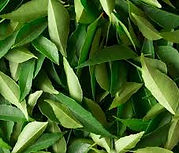
Medicinal uses of bergeria koenigii (Curry leaf tree)
According to Indian Herbsl System (Ayurveda), Curry leaves are marked as a blood sugar controlling agent. Researchers have confirmed its hypoglycaemic activities and they have published these results in the Bulletin on Medical and Ethno botanical Research in 1985.
Curry leaves are said to combat diabetes and obesity if 10 fresh and fully-grown leaves are eaten every morning. The Indo-American Hospital of Bangalore has conducted a series of clinical trials on curry leaves and confirmed that curry leaves reduce high blood pressure and blood cholesterol by acting on angiotensin cell enzymes (ACE).
During the latest research conducted by the Department of Bio-chemistry, University of Kerala published that curry leaves resulted in reduction in total serum cholesterol and LDL (low-density lipoproteins) and increase in HDL (High-density lipoproteins).
-
Curry leaves are also used in treating emaciation, skin diseases, worm infections, neurosis, poisons, and they improve the voice, and stimulate digestion.
The bark, roots and fruits are also used in medicinal preparations.
-
For morning sickness, nausea and vomiting due to indigestion of fats and oils; the juice out of 15grams of the Curry leaf tree mixed with buttermilk and taken internally. If possible, a few drops of lime and brown sugar can be added.
-
For diarrhea, dysentery and piles; a paste of the leave mixed with honey and administered.
-
As a hair tonic; curry leaves are boiled in the coconut oil until only the black residue of the leaves is left. This filtered, bottled and applied every day. It stimulates hair growth and makes them shiny.
-
For insect stings, bites of venomous animals, scabies urticaria, and eruptions; the fruit juice of Curry leaf tree along with an equal quantity of lime is applied externally.
-
As a good child-health promoter; kids can be taught to eat such leaves as they are rich in vitamins A, B-complex, and other useful minerals.
Botanical Name: Bergeria koenigii
English Name: Curry leaf tree
Indian Name: kaala saakha, Surabhi nimba
Parts used; Leaves, root, fruits
Botanical Name: Elettaria Cardamomum or Amomum
Indian Name: Chhoti elaichi
English Name: Cardamom, Cardamon
Family: Zingiberaceae
Parts used: Fruits
Medicinal use of cardamon (Elettaria Cardamomum)
The cardamom seeds contain a volatile oil accompanied by cineol, terpinene, limonene, sabinene and terpineol in the form of formic and acetic acids.
Cardamom reduces air and water elements, stimulates appetite, soothes the mucous membrane, and relieves gas and heartburn caused by garlic and onion. When ground cardamom mixed with ginger, cloves and coriander, it acts as a remedy for indigestion, whilst a tea made from cardamom is beneficial in headache caused by indigestion.
For depression, cardamom powder boiled in water with tea and taken internally. It aromatic smell gives a relief to those who are depressed.
For gonorrhea, nephritis, cystitis, burning and scanty urination; cardamom powder mixed with a tablespoon of banana leaf and embalica officinalis juice and taken thrice a day.
For mouth freshener; cardamom dry seeds are chewed. It gives fresh breath for a while.
For pharyngitis, sore-throat, fleshy conical portion at the back of the tongue, and hoarseness during the infective stage of influenza: an infusion of cardamom along with cinnamon acts as a cures if taken daily a certain period.
For hiccups: Make an infusion by boiling two pounded whole cardamoms in a cup of water along with 5 leaves of mint and drink.
For erectile dysfunctions and premature ejaculation: A pinch of cardamom powder, boiled in milk, then honey added as a sweetener.
Cardamom tincture is used for relieving flatulence and for strengthening digestive system.

Should you want Natural Healing or to buy proper herbs? Kindly contact us on;
+27 714 46 10 40 or +27 74 0677 308
You can shop for herbs at low prices. Our packing is set for retailers, wholesalers or pharmacists. Meaning that, you can buy from us and display for retailing, wholesaling and extracting. A box of the roots, bark, leaves, flowers or leaf powder, etc. contains 12 packets and each packet weighs 100-150 grams. Only some of the flowers are packed in 50gramsX12. Remember that, we deliver orders freely to Maputo, Johannesburg, Dar-es-salaam, Kampala, Lusaka, Windhoek, Gaborone, Harare, Lilongwe and Nairobi; T&C Apply.
Aminaherbs.com offers the best quality herbs from India and other countries of the world. Spend up to US$ 1000 today and receive up to 20% discount plus free shipping!
Kindly do not hesitate to contact us on;
+255 74 200 8000
WhatsApp;
+255 672 40 6667
E-mail Address;