

Medicinal uses of Embalica Officinalis (Amla)
It is considered as the second richest source of Vitamin C.
The content of amla’s ascorbic acid ranges from 1100 to 1700 per 100 grams. It possesses protein, pectin, a little amount of tannin and some minerals.
Embalica Officinalis heals many diseases slowly but sure. It is proved useful in treating menorrhagia, leucorrhoea, stomach complaints, gonorrhea, jaundice, diarrhea and myalgia, conjunctivitis, inflammation, dyspepsia, dysentery, diabetes, cough, asthma, bronchitis.
Embalica Officinalis combats leprosy, colic, flatulence, hyperacidity, peptic ulcer, erysipelas, skin diseases, haematemesis, hemorrhages, anemia, emaciation, cardiac disorders and fevers, and seems to prevent grey hair if used regularly.
Commentary:
As one of the three ingredients in triphala, Amalaki is a potent rejuvenative that nourishes the tissues and gently removes toxins.
It is generally taken in place of triphala by those with excess heat in the digestive tract. This may be indicated by gastritis, colitis, ulcers, heartburn or acid reflux.
Amalaki is said to stimulate the production of red blood cells, enhance cellular regeneration, increase lean body mass and support proper function of the liver, spleen, heart and lungs.
It has also been used to purify the blood, improve eyesight, strengthen the bones and teeth, and cause hair and nails to grow. It improves the digestive fire without aggravating pitta, maintains a healthy blood sugar level and is a rich natural source of antioxidants.

Latin Name: Embalica Officinalis, Phyllunthus Embalica
Sanskrit Name: Amalaki, Dhatri, Amrita, Sheeta, Gayatrei, Rocheni
Indian Name: Amla, Aavla
English Name: Embelic Myrobian, Indian Goose Berry
Family Name: Phallanthaceae
Parts used: Leaves, Seeds, Bark, Root bark

Medicinal uses of Eleusine coracana (Finger millet)
Finger millet is the richest source of calcium and iron among all the cereals. It possesses hypoglycemic, hypocholestrolemic and anti-ulcerative activities plus 0.3-3% polyphenols as a constituent. Polyphenols of Finger millet (Raagi) play an important role in the body. Finger millet (Raagi) also contains about 5-8% protein, 1-2% ether extractives, 65-75% carbohydrates, 15-20% dietary fibre and 2.5-3.5% minerals. It is a very good source of micronutrients and phytochemicals such as dietary fibre, polyphenols, pigments and phytate.
-
According to Indian Herbal System, Finger millet (Raagi) is taken as a food supplement for growing children, diabetics and obese people as their carbohydrates take longer to absorb, and so, they decrease appetite, resulting in less calorie consumption.
-
Another interesting part of Finger millet (Raagi) is the presence of calcium, iron, vitamin B1, and B2. They prevent malnutrition in spite of food restrictions, and due to their large amount of cellulose, even constipation can be treated by eating these cereals.
-
In India, a health tonic is prepared by a tbsp of water melon seeds, cotton seeds, cucumber seeds, pumpkin seeds, shelled almonds, a handful of Finger millet (Raagi) and paddy, soaked in an earthen pot with sufficient water for 12 hours, then ground to form a paste which is strained using a clean cloth while warming a tbsp of ghee in a vessel with the addition of 4 seeds of cardamom, 2 cloves, a half tea spoon of cinnamon bark powder, a little amount of milk extract and sugar, warmed gently, and taken as a breakfast. Such preparation is beneficial to the anemic women, premature ageing, growing children, delayed labor due to uterine inertia and other postpartum problems.
Botanical Name; Eleusine coracana
English Name; Finger millet
Indian Name; Raagi

Medicinal uses of Foeniculum vulgare (Fennel)
Fennel seeds are used for their anti-inflammatory, antispasmodic, antimicrobial properties and estrogen promoting action.
Fennel seeds are widely used in the treatment of anemia, menorrhagia, dysmenorrhea, fibroids, stomachaches, sore throat, coughs, bad-breath, skin diseases, eye infections, intestinal worms and flatulence, gum infections, excessive weight and poor milk secretion in breast feeding women.
Taking fennel dried seeds immediately after eating food is a habit practriced by many Indians but highly beneficial for digestive system.
Anethol is one of the main constituents found in the oil of Fennel. The best varieties of Fennel yield from 4 to 5 per cent of volatile oil, the principal constituents of which are Anethol (50 to 60 %) and Fenchone (18 to 22 %). Anethol is also found in Anise oils as a chief constituent. Fenchone possesses a pungent, camphoraceous odour and taste, and when present, it gives a strong bitter taste to many of the commercial oils. It probably contributes materially to the medicinal properties of the oil, and in the market of the oil, it is only that of fenchone suitable for medicinal uses.
Indian Fennel yields 0.72 per cent of oil, containing only 6.7 % of fenchone which is considered as the lowest, because Russian, Galician and Roumanian fennel yields 4-5% of volatile oil, of which about 18 per cent is fenchone, and possess a camphoraceous taste, whilst French fennel yields only 2.1%.of oil, containing less anethol and with a milder and sweeter tasteas the result of fenchone absence. Japanese Fennel yields 2.7 per cent of oil, of which 10.2% of fenchone and 75 per cent of anethol.
Other constituents include d-pinene, phellandrine, anisic acid and anisic aldehyde, and some time limonene can be found in fennel.
Fennel’s properties include carminative, analgesic, purgatives, diuretic, emmenagogue, galactogogue, expectorant, hallucinogenic, stimulant, anti-inflammatory, digestive and stomachic.
Fennel seeds, leaves and roots are used medicinally, but fruits are the most important part of fennel as they yield essential oil which is used in treating skin diseases, and as an antibacterial agent, whilst their powder is used in many medicinal preparations for internal uses.
-
Fennel infusions are used in the treating indigestion, abdominal discomfort, stomach complaints and as a lung health support.
-
A combination of fennel and Arctostaphylos uva-ursi is said to combat kidney stones, and with Dandelion, Fever few and St John’s wort for treating anemia.
-
Fennel leaves are boiled in barley water and taken internally to increase milk flow in nursing mothers, and to treat hiccup and nausea.
-
Fennel seeds and roots are useful in obstructions of the liver, spleen, and gallbladder, windy swellings of spleen, yellow jaundice, gout and cramps.
-
Fennel is also believed to relieve gastritis, acidity, gout, cramps, colic and spasms, and as a diuretic agent, it increases the flow of urine.
-
Fennel is known for balancing estrogen, hence, being helpful in promoting healthy female’s reproductive system.
-
Fennel leaves and root decoction is applied for insect bites, and to neutralize vegetable, mushrooms poison and seeds as well are mixed with some of toxic herbs for the same.
-
Traditionally fennel tea was used as chollyrium in cases of eye infection.
Name: Foeniculum vulgare, F. vulgare valgare dulce
Sanskrit Name: Mishriya, Madhurika, Shatpushpa
Indian Name: Saunf, Badisep
English Name: Fennel, Wild Fennel, Fenkel, Sweet fennel, Finicchio
Family Name: Apiaceae
Parts used: Seeds
Always buy organic!

Medicinal uses of Ghee
According to Indian Herbal Medicine (Ayurveda), Ghee is considered to be one of the most health-promoting foods.
What is Ghee?
Ghee is clarified butter without oil, lactose and milk solids. Ghee is traditionally prepared by heating the butter gently until it turns to be clear-golden-liquid, then filtered and bottled.
There, the lactose and other milk solids coagulate are removed through filtering process. The process of boiling butter also removes natural water, keeps Ghee light, pure and more resistant to spoilage. The milk of cows possesses the essence of almost every plant and Ghee is the essence of milk. Ghee pacifies all three doshas; vata. Pitta and kapha. Ghee enhances memory, improves mental function, and promotes longevity and also known as a general health tonic.
Ghee offers the finest of fuels into the fires of digestion when ingested.
Although Ghee increases the digestive fire- Agni, on which all nutrition depends, it does so without aggravating Pitta (Digestive fire).
Ghee still remains with batter taste, aromas, and allows you to use half as much oil in cooking as a small amount is used, whilst imparting the benefits of essential fatty acids without causing oxidants of cholesterol and hydrogenated fats.
Ghee is resistant to free radical damage and is lactose free. Scientific studies have indicated the ability of Ghee in supporting physical and mental performance. Ghee possesses butyric acids; a fatty acid that exerts anticancer and antiviral activities, plus 2-3 linoleic acids, linonoleic exerts anticarcinogenic properties. Ghee is fat free, acts as anti-ageing, accelerates nerves and brain cells.
In Netra Basti of Ayurvedic detoxification process (Pancahakarma-the five therapies), a small dam is built around the eyes and filled with warm Ghee. Then, you open your eyes to its soothing softness. It seems after that treatment, you may be to see the world though a soft diaphanous curtain of love and loveliness.
Healing action of Ghee
Ghee has been used since the ancient times as a cure for skin diseases. It was externally applied on the sores, wounds, burns, broken joints, and all over the body to protect skin from any disorder and improve the complexion, and internally as a substitute to cooking oil as those days; cooking oils were much more expensive whilst ghee was just made from home. In India, Ghee massages used to be done on the street. Men could organize each other and start manipulating on those with skin problems.
Today’s therapeutic uses of Ghee
-
Ghee bond with lipid-soluble nutrients and herbs to penetrate lipid-based cell walls. A process that increases potency of herbs by delivering the active components to the interior of the cells where they impart the benefits as Ghee absorbs the body easier. It is said that when Ghee is applied externally, 60% of it absorbs the body.
-
Ghee balances excessive stomach acid, and repairs mucus lining of the stomach. Because it lasts longer, it is also helpful in protecting certain herbs without losing their values. In India, a 100year Ghee is as expensive as its strength is considered good in medicinal preparations.
-
Ghee promotes the three aspects of mental function; it is good in memorizing, recalling and said to improve learning ability. 100years and above old Ghee when used in treating chronic ulcers, It gives the best effect.
-
Two table spoonful of ghee are recommended per day as too much of it may result in dousing the digestive fire. In India, a tea spoon is eaten with each meal of the day.
-
To create a nervine tonic; a teaspoon of Ghee, along with a teaspoon of onion juice, and boiled egg taken every morning.
-
A laxative tonic for growing kids; prepare one teaspoon of ghee along with a cup of hot milk, let it cool a bit and give to the children.
-
For body massage; when warm Ghee is used, it creates endorphin which in turn, enhances immune system.
-
Adding ghee in your diet, improves intelligence in people of all ages.
-
For sinus; When 5 props of Ghee put in the nose, it helps in treating sinusitis and cold.
Note that the original ghee is not kept in the fridge. those in the fridge are not ghee though named ghee. it is either butter or fake ghee.

Latin Name: Glycyrrhiza glabra
Sanskrit Name: Yashtimadhu, Madhuyesti
Indian Name: Mullethi, Jestmadh
English Name: Licorice, Liquorice, Sweet-licorice
Family Name: Fabaceae
Parts used: Rhizome
Medicinal Uses of Glycyrrhiza glabra (Licorice)
It has anti-inflammatory, antiviral, saponin glycyrrhizin and many important chemicals that are required for good health. It is mainly used in treating cervical cancer, kidney and bladder disorders, HIV, hepatitis B, herpes ,inflammation of mucous membrane, food poison, stomachaches, coughs, horse-voice, bronchitis, asthma, ulcers, arthritis, shingles, sun-burns, fevers in infants, and also used for insect bites.
Licorice glycyrrhizic acid is 50 times sweeter than sucrose. It is said to encourage the production of hormones such as hydrocortisone, support the adrenal glands and stimulates the excretion of hormones from the adrenal cortex.
Licorice possesses estrogen activity, used to stabilize menstrual cycle, and also know widely as a good remedy for lungs and spleen complaints.
It is combined with other herbs in treating coughs, colds, sore throat, asthma, stomach and duodenal ulcers, hepatitis, hysteria, food poisoning, hypoglycemia, bronchitis, colitis, diverticulitis, gastritis, some of stress related disorders, nausea, and inflammation.
Licorice cleanses the colon, promotes adrenal gland function, decreases muscle spasms, and increases the fluidity of mucus from the lungs and bronchial tubes.
Licorice properties include anodyne, antioxidant, antispasmodic, anti-inflammatory, demulcent, depurative, diuretic, cooling, expectorant, emollient, estrogenic, expectorant, anti-arthritic, tonic, stimulant adrenal, anti-cholesterolemic, anti-gastritis and anti-allergenic.
The Licorice glycoside is similar to the natural steroids of the body and has a good effect in treatment of Addison's disease.

Botanical Name: Phasleolus aureus
Indian Name: Mung
English Name: Green gram
Minerals and Vitamins
Moisture - 10.4%
Protein - 24.0%
Fat - 1.3%
Fibre - 4.1%
Minerals - 3.5%
Carbohydrates - 56.7%
Calcium - 124 mg
Phosphorus - 326 mg
Iron - 7.3mg
Small amount of Vitamin B Complex
Values per 100 gm's edible portion
Calorific Value – 334
Medicinal uses and other benefits of Green gram
Green gram is used as a digestive, nutritive and aperient. It is good for pregnancy and breast feeding women, as well as children. Eating Green gram regularly increases lactation, helps one to get the required nutrition and promotes well being. Green gram speeds up recovery from acute diseases, if its soup given to the patient as part of diet.
Externally, Green gram powder is applied for relieving heat from the body, and if combined with Triphala, it acts as one of the best antibacterial soap.
In a form of poultice, green gram improves the secretion of milk and reduces distention of the mammary glands.
During fever, cholera, measles, chicken-pox, small-pox, and typhoid, green grams are soaked in water and given to a patient in a small quantity. This also beneficial in treating appendicitis.
Green gram flour is an excellent detergent and is commonly used in China and India as a substitute for soap. Green gram acts as a strong anti-bacterial agent, and removes the dirt from the skin without causing any irritation. Those who are seeking for good complexions can try and apply green gram powder over the face: it will bleach the color and give desirable complexion.
For strengthening the hair and treat dandruff, Black gram flour in a combination with green gram paste can be helpful.
Since Green gram beens are nutritive, one can boil dried green grams and eat as beans, or remove the skin and follow the same process.
Soak these seeds overnight, dry, and place in a container within a dark room. Keep on sprinkling them with water every after a few hours for about three days. They will increase their size up to 8 times, whilst the nutritional values are also increasing.
The starch extract of green gram is used in making jellies and transparent/cellophane noodles.

Latin Name: Mangifera Indica
Indian Name: Amra
English Name: Mango
Family Name: Anacardiaceae
Parts used; leaves, bark, flowers
Medicinal uses of Mangifera Indica (Mango)
The bark is used in treatment of of leucorrhea, menorrhagea, dysmenorrhea and other menstraul disorders and eczema. Flowers are used in treatment of dysentery, spermatorrhoea, and they repel mosquitoes. The gum is warmed with lime, aloe and turmeric for healing sprains and painful joints. Leaves are considered astringent, and used in treating diabetes and cholera.
Unripe fruit of Mango fruit is rich in vitamin C which is equal to that of 6 lemon fruits. It also contains a large number of starch, and acids like citric, malic, oxalic and succinic compounds which in turn increase bile secretion and act as antiseptic in the intestines. They are also said to do wonders in controlling morning sickness, treating heat stroke, constipation and indigestion.
The milky juice of the plant is also prescribed for psoriasis, scorpion bites and ring worms, while the bark and kernel are used in treating leucorrhea, menstrual disorders, etc

Medicinal uses of Mentha x piperita (Peppermint)
Peppermint tea is used in treating heart-burns, indigestion, colic, flatulence, coughs and flu, nausea, irritable bowel syndrome, gall-bladder and bile ducts, herpes and certain skin infections including acne and pigmentation.
Peppermint possesses immunostimulant, decongestant, expectorant, antibacterial, antifungal, antispasmodic and antiviral agents. Regular intake of peppermint promotes immune and digestive systems, relieves symptoms of irritable bowel syndrome.
Latin Name: Mentha x piperita
Sanskrit Name: Pudina
English or Common Names: Peppermint, Brandy mint, Mint, Lamb mint
Family Name: Lamiaceae
Parts used: Whole plant, oil
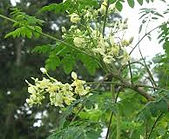
Medicinal uses of Moringa Oleifera (Moringa)
The Moringa root bark is considered bitter, acrid, thermogenic, digestive, carminative, anthelmintic, constipating, anti-inflammatory, emmenagogue, diuretic, ophthalmic, expectorant and stimulant.
Moringa root bark is used in treating dyspepsia, anorexia, verminosis, diarrhoea, colic, flatulence, paralysis, inflammations, amenorrhoea, dysmenorrhoea, fever, strangury, vesical and renal calculi.
Moringa root bark is also used in cough, asthma, bronchitis, pectoral diseases, splenomegaly, epilepsy and cardiopathy.
Moringa root bark and the stem-bark together are used for poor circulation, to increase appetite and stimulate digestive system and also taken as a tonic. Moringa Root bark is ground and mixed with salt to form a poultice which is administered for rheumatism and muscular pains, and the bark is considered as antiscorbic.
Moringa leaves possess anti-inflammatory, anodyne, ophthalmic, anthelmintic properties and they are rich in Vitamin A, C and D. Moringa leaves are useful in scurvy, wounds, tumors, inflammations and helminthasis, they act as a general tonic for infants.
The leaf of Moringa is 7 times vitamin C of the orange, 4 times Calcium of the milk, 4 times vitamin A of the carrots, 3 times potassium of bananas and 2 times protein of the yoghurt.
Moringa seeds are used as a water-soluble extract in suspension, leading to the effective natural clarification agent for highly turbid and untreated pathogenic surface water.
Such seeds of Moringa make water drinkable as the turbidity and bacteria are reduced, and they are also used in preparation of cakes, and many other bites as a nutritive.
Moringa seed oil is beneficial for hair problems and is widely used in preparing cosmetics.
Moringa seeds are considered acrid, bitter, anodyne, anti-inflammatory, purgative, antipyretic, and ophthalmic. They are also used in treatment of neuralgia, inflammations, intermittent fevers and opthalmopathy.
Since those days, Moringa leaves and flowers were being exported from Uganda into India as salads.
According to Indian Herbal System (Ayurveda), a glassful of Morinaga leaf soup serves as much protein as one eating 100 chickens.
Moringa soup; a handful of Moringa tender leaves are boiled in a tight lid vessel along with water for minutes, then keep the vessel into cold water so that the soup cools faster, add a pinch of salt, or lime juice for it to taste better and drink.
It is said, if such soup of Moringa leaves taken every morning, the body will be protected from getting T.B, anemia, common cold, nervousness, functional sterility, leprosy, mictnutrition, etc. 5-10 grams of powdered Moringa leaves can serve much more better and easier.
Moringa as a treatment for Cholera, colitis, jaundice and diarrhea; Take 5-10 grams of powdered Moringa leaves along with warm water mixed with honey thrice a day. If possible combine it with coconut juice.
Moringa as tonic for children; prepare a cupful of moringa fresh leaf juice or 5-10 grams of powdered Moringa leaves, heat it – water bath temperature. Such glass of juice is administered in growing kids as a daily tonic.
For high acidity of the urine, myxoedema, toxaemia of pregnant women, dropsy due heart, liver, kidney disorders, hypertension, constipation, excessive thirsty due to diabetes; make a mixture of Moringa leaf powder or fresh leaves, carrot and cucumber juice, warm it to water bath temperature along with a little amount of water and drink 2-3 glasses twice a day.
Moringa contracts uterine muscles, eases child bath, prevents sluggishness, and reduces excessive blood loss and postparmatum complaints if taken by expectant mother (Pregnant women).
* For poor memory, night blindness, poor hearing, hiccups, vertigo, bleeding piles, indigestion and morning sickness; prepare the juice out of powdered Moringa fruits, add a little amount of honey and take it at bed time.
* For syncope; Squeezed juice out of fresh Moringa leaf is used as a nasal drop.
* For an-Eye allergy; a few drops out of fresh Moringa leaf juice is said to be good.
* For Rheumatism, sprains, contusions, scabies; Moringa leaf juice or powder is mixed with sesame oil, then heated till watery content is finished by evaporating. If such preparation is applied externally, it gives a very good effect.
Moringa root and the bark are also highly beneficial. According to Indian Herbal Medicine, it has been confirmed that armophous base has a very strong sympathomimetic on the sympathetic nerve endings of the entire human nervous system.
And so, by stimulating action, it constricts the blood vessels and elevates the blood pressure, thereby accelerating heart beat.
The main action on the heart is due to the direct stimulatory action of cardiac sympathetic nerves found in the moringa root and bark, causing a slight affection on the myocardium.
Researches also revealed that, the armophous base inhibits the tone of the involuntary muscles of the gastrointestinal tract and bronchioles.
Moringa bark is used in treating Impotence, premature ejaculation, week semen, and in women, it is used for treating scanty, anemia in young girls, bronchitis, asthma, and other respiratory conditions.
* A poultice of fresh root bark of the young tree is applied externally in treating swellings, whilst the mature root is externally used in palsy, rheumatism, enlargement of spleen, dyspepsia and insect bites, and also taken internally for intermittent fevers, paralytic affections, epilepsy and hysteria.
* For otalgia (earache); fresh juice out of the root-bark is used as an ear drop and also gargled for toothache.
To prepare Moringa soup using its powdered leaves; add 5-10 grams of leaf powder in a tight lid vessel, pour a half liter of boiling water, close the vessel for some minutes, add a pinch of salt, or lime juice for it to taste and drink. It is said, if such soup is taken every morning, the body will be protected from getting TB, anemia, common cold, nervousness, functional sterility, leprosy, and micturition.
Apart from Moringa being nutritive, it also acts as a curative agent for a number of diseases
Moringa as a treatment for Cholera, colitis, jaundice and diarrhea; take 5-10 grams of powdered Moringa leaves along with warm water mixed with honey thrice a day. If possible combine it with coconut juice.
For high acidity of the urine, myxoedema, toxaemia of pregnant women, dropsy due heart, liver and kidney disorders, hypertension, constipation, excessive thirsty due to diabetes; make a mixture of Moringa leaf powder, carrot and cucumber juice, add a little amount of clean water, warm it a bit and drink 2-3 glasses twice a day.
Moringa contracts uterine muscles, eases child birth, prevents sluggishness, and reduces excessive blood loss and postpartum complaints if taken by expectant mother (Pregnant women).
For poor memory, night blindness, poor hearing, hiccups, vertigo, bleeding piles, indigestion and morning sickness; prepare the juice
out of fresh or powdered Moringa fruits, add a little amount of honey and take it at bed time.
For syncope; squeezed juice out of fresh Moringa leaf is used as a nasal drop.
For an-eye allergy; a few drops out of fresh Moringa leaf juice is said to be good.
For rheumatism, sprains, contusions, scabies; Moringa leaf juice or powder is mixed with sesame oil, then heated
till watery content is finished by evaporating. If such preparation is applied externally, it gives relief.
Moringa as tonic for children; boil a cupful of milk or water, add 3-5 grams of powdered Moringa leaves, heat well and serve the child when it cools to room temperature. Such preparation is administered in growing kids as a daily tonic.
Moringa root and the bark are also highly beneficial. According to research, it has been confirmed that amorphous base has a very strong sympathomimetic on the sympathetic nerve endings of the entire human nervous system. And so, by stimulating action, it constricts the blood vessels, elevates blood pressure and accelerates heart beats.
The main action on the hearts which is found in the moringa root and bark is due to the direct stimulatory action of cardiac sympathetic nerves, which in turn, causes a slight affection on the myocardium.
Researches also revealed that, the armophous base inhibits the tone of the involuntary muscles of the gastrointestinal tract and bronchioles.
How to uses Moringa Stem-Bark medicinally;
In men; Moringa stem-back bark is used in the treatment of Impotence, premature ejaculation and week semen.
In women, it is used for treating scanty and anemia in young girls.
For bronchitis, asthma, and other respiratory conditions or for any disease mentioned under Moringa Stem-Bark; prepare by adding 2-5g of the powdered bark into a cup of hot water, add a teaspoonful of honey, stir and drink every day for 40 days.
How to use Moringa-Root-Bark medicinally;
Moringa-Root-Bark can be used for poor circulation, to increase appetite and stimulate digestive system and as a mild tonic.
A paste from the mature root powder is externally used in palsy, rheumatism, enlargement of spleen, dyspepsia and insect bites.
In such conditions; the root bark is ground and mixed with salt to form a poultice which is applied on an affected area. Internally;
Moringa-Root-Bark powder is taken for intermittent fevers, paralytic affections, epilepsy and hysteria. You can make a decoction in combination with Asafoetida and a little amount of Himalaya salt, and then give a half cup to a patient, once daily for 45 days.
For otalgia (earache); fresh juice or an infusion out of the root-bark is used as an ear drop.
For toothache; powdered bark decoction can be gaggled.
For local swellings; a poultice of fresh root bark of the young tree is applied externally.
Sanskrit Name: Sahijan
Indian Name: Shigru
English Name: Moringa, Horse Radish Tree, Drumstick Tree
Family Name: Moringaceae
Parts used: Leaves, seeds, bark, root bark, bark, pods

Medicinal Uses of Ocimum sanctum (Holy Basil)
Ocimum Sanctum (Holy Basil) is taken internally for treating fever, headache, labor pains, nausea, vomiting, cholera, influenza, cough, cold, asthma, sinusitis, bronchitis, migraine, sore throat, stress, malaria, indigestion, hysteria, insomnia and certain skin disorders including ring-worms.
Ocimum Sanctum (Holy Basil) is an effective diaphoretic and febrifuge in most colds, flus and lung problems. It removes excessive Vata from the colon, improves absorption and strengthens the nerve tissue, and increases memory.
It develops real strength in the body & gives protection against stress & common ailments. It clears the aura and strengthens the immune system. It has the ability of destroying bacteria and acts as a mosquito repllent. Basil is regarded as an adaptogen. Studies have shown that it affords significant protection against stress.
It is good for maintaining dental health and counteracting bad breath. It has antioxidant and cadioprotective properties.
When the antibacterial activity combined with anti-inflammatory and analgesic activities of the oil, it makes it useful in inflammatory conditions, hence, resulting in inhibition of staphylococcal infection.
Results from another study shows that Ocimum Sanctum (Holy Basil) possesses hypocholesterolemic and an antioxidant. Its significant cardioprotection and functional recovery was demonstrated, and it also attributed to anti-apoptotic and chemopreventive actions.
Botanical Name: Occimum Americacum, other species: Ocimum sanctum, Ocimum gratissimum
Sanskrit Name: Aryanyatulsi, Ajangadhika, Ajeka
Indian Name: Vantulsi, Babuitulsi, Tulshi, Banjari
English Name: Holly Basil, Sweet basil, scared basil
Family Name: Lamiacea
Parts used: Stem, Leaves and other parts

Botanical Name: Phasleolus mungo
Common Name: Black Gram, Black Gram dhal
Indian Name: Urad
Parts used: seeds
Values per 100 grams
Minerals and Vitamins
Moisture - 10.9%
Calcium - 154 m
Protein - 24.0%
Phosphorus - 385 mg
Fat - 1.4%
Iron - 9.1mg
Fibre - 0.9%
Small amount of Vitamin B Complex
Minerals - 3.2%
Carbohydrates - 59.6%
Calorific Value – 341
Medicinal uses of Phasleolus mungo (Black Gram)
Black gram is demulcent, cooling, aphrodisiac and nervine tonic.
They are used by the diabetic; germinated black gram, taken with half a cupful of fresh bitter gourd juice and a teaspoonful of honey, once a day for four months with restriction of carbohydrates.
Sexual problems including impotency, premature ejaculation and thinness of the semen: Black grams are soaked in water for six-seven hours, drained and after draining water; they are fried in pure ghee, and then eaten with a little amount of honey.
For Nervous Disorders such as nervous weakness, weakness of memory, schizophrenia and hysteria : The above method is followed but with half boiled egg.
For Hair problems; washing the hair with a paste of cooked black gram and fenugreek. This strengthen, lengthens and cures dandruff.
For dyspepsia, gastric catarrh, dysentery and diarrhea: a decoction made of black gram can benefit the patient. It widely used in India as a promoter for digestive system.
Black gram is also used in treatment of rheumatic afflictions: black gram is useful as an external application in rheumatism, contracted knee and stiff shoulder is prepared by boiling about 4 Kilograms in 38.4 litres of water until only 9.6 litres remains and the strained decoction is boiled again in 2.5 litres of sesame oil along with 1-2 kilograms of rock salt till the water evaporates. Such decoction is beneficial when applied externally.
Caution
Excessive use of black gram causes flatulence, and so, always add a little amount of asafoetida, pepper and ginger while preparing it for medicinal purpose, and those with rheumatism, and urinary calculi should not consume Black gram as it contains oxalic acid in high concentration.

Medicinal uses of Punica granatum (Pomegranate)
It has immuno-stimulantory, anti-oxidant, anti-inflammatory anti-diabetic and anticancer. It is widely used in treating certain types of cancer including leukemia, breast, prostate and colon cancer, dysentery, diarrhea, excessive bleeding, intestinal worms and parasites.
Food Value, Minerals and Vitamins per 100 grams of edible portion
Moisture - 78.0%
Calcium - 10 mg
Protein - 1.6%
Phosphorus - 70 mg
Fat - 0.1%
Iron - 0.3 mg
Minerals - 0.7%
Vitamin C - 16 mg
Carbohydrates - 14.5%
Small amount of Vitamin B Complex
Fibre - 5.1%
Calorific Value – 65
Pomegranate fruit juice is known as a delicacy and is made into excellent sherbet with the addition of water, sugar and taken internally, and some people use it in preparing ice-creams, jellies and marmalades. Such juice of pomegranate fruits possesses diuretic, cooling effect, glucose, fructose, tannins, oxalic acid, and reduces thirst in cases of fevers, supplies the required minerals and helps the liver to preserve vitamin A. from the food, increases the body's resistance to T.B infection, and acts as a tonic for heart and kidney.
According to Indian Herbal System, all parts of pomegranate including roots, leaves, flowers, rind, seeds and the reddish brown bark are used medicinally.
Pomegranate bark and root contains several alkaloids including isopelletierine that fights against tapeworms.
Pomegranate bark, leaves, immature fruit and fruit rind extracts is given to combat diarrhea, dysentery and hemorrhages, whilst powdered flower buds acts as a remedy for nose bleeding.
-
For bleeding piles; the bark decoction is very effective, and if combined with Holarrhena’s bark with a sip of honey it treats blood motions.
-
For threatened abortion; pomegranate leaves, sandal woodpowder, curd and a sip of honey are useful.
-
For gum bleeding and bleeding of the teeth; the fruit rind powder mixed with black pepper, common salt, and applied. Such preparation whitens teeth, strengthens gum and said to prevent pyorrhea.
-
For urinary calculus; a teaspoonful of ground seeds along with a cup of gram soup taken internally
-
For diarrhea, dysentery, nose bleeding, prolapsed rectum, leucorrhea, etc; powdered dried rind with fenugreek decoction and a sip of honey are beneficial. The flower bud can also be snuffed in case nose bleeding.
-
For conjunctivitis; a paste of the leaves is applied on the red part of the eye. This is also beneficial in healing scabies, eczema, itchiness and ringworm.
Caution
Pomegranate fruit seeds are eaten immediately after opening as they lose their color quickly and pipes are not swallowed as they may irritate the intestines and said to cause appendicitis.
Latin Name: Punica granatum
Sanskrit Name: Dalima
Indian Name: Anaar, Dadimb
English Names: Pomegranate
Family Name: Punicaceae
Parts used: Fruit, Seeds

Medicinal uses of Santalum album (Sandal wood)
The essential oil of Santalum album contains a large amount of alpha- and beta-santalol that exerts antibacterial, sedative stimulant and antiseptic properties. The essential oil is used in treatment of chronic inflammation of mucous membrane, gonorrhea, excessive sweating and fevers.
Sandal wood powder is taken internally in a form of infusion or decoction as alterative, antibacterial, antiseptic, astringent, carminative, disinfectant, diuretic, expectorant, hemostatic, refrigerant, and as well as sedative and stimulant. It is also applied externally for eczema, acne and other skin conditions.
-
For allergic rashes; an equal quantity of Sandal wood powder and Tinospora cordifolia in a form of paste is applied externally.
-
For menstrual disorders; a decoction of Sandal wood powder along with milk is taken internally to counteract menstrual problems.
-
For spermatorrhoea; infuse one teaspoon of sandal wood powder, a teaspoon of Terminalia arjuna bark powder along with hot milk or water, add a sip of honey and drink, 1-2 times daily.
-
For Hiccups; make a paste of sandal wood powder with human or cow milk and the squeeze the liquid in the nose drop-wise.
-
For poisoning; apply a paste of sandal wood powder on the chest region.
-
For conjunctivitis; a decoction of Sandal wood is used as an-eye wash. It is effective in treating such condition.
-
For burning sensation in the body; prepare by adding Sandal wood powder into rice water, mix it with a little amount of sugar or honey and take internally.
-
For nausea and vomiting; take a teaspoon of Embalica officinalis and Sandal wood along with warm water.
-
For nose bleeding; snuff a little amount of Sandal wood powder. It quickly checks the condition.
-
For dysuria and cystitis; Taking Sandal wood oil drops can help solve the problem. Start with five drops twice daily, after some days, increase up to 10 drops along with ginger infusions until the condition subsides.
Latin Name: Santalum album
Sanskrit Name: Srikhanda, Swetacandana
Indian Name: Chandan, Safed Chandan, Chandanam
English or Common Name: Sandal wood, Tan xiang
Family Name: Santalaceae
Parts used: Heart Wood, roots

Latin Name: Trachyspermum ammi
Indian Name: Ajwain, Omum
English Name: Bishop’s weed
Family Name: Apiaceae
Parts used: Seeds
Medicinal uses of Trachyspermum ammi (Bishop’s weed)
Seeds possesses aromatic, bitter, digestive, diuretic, diaphoretic, expectorant, tonic, antiseptic, antispasmodic properties
They are used in treatment of influenza, asthma, coughs, colds, colic, diarrhea, cholera, indigestion, edema, rheumatism. They are also soaked in the lemon juice during night and eaten in the morning to remove eosinophilia from the blood, and extracted essential oils are used as diuretic, carminative and anti-septic.
Fixed oil extracted from the seeds contains resin acids, palmitic acid, petroselenic acid, oleic acid and linoleic acid. Vitamins and trace elements include riboflavin, thiamin, nicotinic acid, carotene, calcium, chromium, cobalt, copper, iodine, iron, manganese, phosphorus and zinc, and also consist of moisture 7.4%, protein 17.1%, percent, fat 21.8%, minerals 7.9%, fiber 21.2% and carbohydrates 24.6% per 100 grams.
-
For relieving flatulence, dyspepsia and spasmodic disorders; a teaspoonful of Ajwain seeds with a little amount of rock-salt, mixed with water taken internally.
-
For colic; Ajwain seeds, dry ginger and black salt ground together, the three grams of this powder is taken along with warm water.
-
For flatulence, Ajwain seeds and dried ginger in an equal quantity are soaked into two-and-half times the quantity of lime juice. After draining the water, they are dried and powdered with a little amount of black salt and about 2 grams such powder mixed with warm water and taken internally, 2-3 times a day.
-
For Cholera, flatulent colic, diarrhea, atomic dyspepsia and indigestion; the volatile oil of Ajwain seeds is given internally in a dose of 1- 3 drops.
-
For removing phlegm; Ajwain seed poowder and buttermilk given internally.
-
For pharyngitis in influenza; Ajwain seeds, clove and a pinch of common salt are chewed for such complaint.
-
For common cold; a tablespoonful of Ajwain seeds crushed and tied in a cloth as a bundle whioch is then inhaled by the patient. And such bundle can be used in nasal congestion; it is covered in the same blanket with the patient during sleeping hours.
-
For the acute pharyngitis, sore and congested throat and hoarseness of the voice due to colds or making noise; Infusions of the seeds with common salt are beneficial.
-
Ajwain seeds with the kernel of tamarind seeds act as an effective aphrodisiac; they are prepared by frying an equal quantity of both in pure ghee, dried and then powdered and preserved in airtight container. This is taken at bedtime as a promoter for virility.
-
For an earache; a half a teaspoon of the Ajwain seeds heated in 30ml of milk till the aroma of the seeds permeate the milk, which is then filtered and used as an ear drop.
-
For boils in the ear; 3 grams each of ajwain seeds, with garlic are boiled together in 40 grams of sesame oil until it turns red. The oil is then strained while cooling to body temperature, and used as ear drops.
-
A habit of chewing Ajwain seeds prevents bad breath.
-
For bronchial asthma; Ajwain seeds are tied in the cotton cloth, heated in a frying pan and applied on the chest and neck when still warm.

Botanical Name: Trigonella foenum graecum
Common Name: Fenugreek
Family: Leguminosae
Parts Used: Leaves, seeds
Medicinal uses of Trigonella foenum graecum (Fenugreek)
Regular use of Fenugreek helps keeping the body clean and healthy. The leaves of fenugreek are considered aromatic, cooling and a mild laxative. The seeds have soothing effect on the skin and mucous membranes, relieve irritation of the skin, and alleviate swelling and pain.
According to research, Fenugreek leaves contain moisture 86.1 percent, protein 4.4 percent, fat 0.9 percent, minerals 1.5 percent, fiber 1.1 percent and carbohydrates 6.0 percent per 100 grams of edible portion. The mineral and vitamin contents are calcium, iron, phosphorous, carotene, thiamine, riboflavin, niacin and vitamin C.
The seeds contain moisture 13.7 percent, protein 26.2 percent, fat 5.8 percent, minerals 3.0 percent, fiber 7.2 percent and carbohydrates 44.1 percent per 100 grams. The mineral and vitamin contents are calcium, phosphorous, carotene, thiamine, niacin and riboflavin.
Seeds have some alkaloids including alkaloid trigonelline and choline, but trigonelline is highly toxic on neuromuscular system in a large dose. The seeds also contain fixed and volatile oil, mucilage, saponin, bitter constituents, and air-dried seeds are said to have a little amount of trigonelline and nicotinic acid.
Although saponins are poisonous, their poison is poorly absorbed by the human body and by so, most pass through without causing harm.
The seeds and leaves of Fenugreek possess carminative, demulcent, deobstruent, emollient, expectorant, febrifuge, galactogogue, hypoglycaemic, laxative, parasiticide, restorative, uterine tonic, anticholesterolemic, anti-inflammatory, antitumor, and anti-diabetic activities.
The seeds are helpful in treating anemia as they are rich in iron, restores deadened senses of taste which is due to improper function of the salivary glands that often become clogged with mucus and accumulated juices which in turn causes swelling.
Fenugreek seeds are also taken for diabetes in a dosage of 2 teaspoons of powdered seeds daily in broth or milk, and unpowered ones with same quantity can be swallowed in the morning after being soaked into water at night, daily for about 30 days.
Another study showed that seeds can be helpful in healing cancer of the liver, lowering blood cholesterol and with a good effect on diabetic patients.
A gargle made from fenugreek seeds is said to be beneficial in ordinary sore throat. For the gargle, the solution should be much stronger than the tea; two tablespoons of fenugreek seeds are put into a liter of water and allowed to simmer for half an hour over a low flame, and cooled to room temperature and strained, and then entire liquid is used as a gargle.
Tea made from fenugreek seeds acts as quinine in reducing fevers. It is particularly valuable as a cleansing and soothing drink. Fenugreek seeds, when moistened with water become slightly mucilaginous, and hence the tea made from seeds has the power to dissolve sticky substance like mucus.
During the early stages of any of the respiratory tract infections, such as bronchitis, sinusitis, influenza, catarrh and suspected pneumonia, fenugreek tea helps the body to perspire, dispel toxicity and shorten the gestation period of fever.
Fenugreek tea soothes inflamed stomach and intestines, cleanses the stomach, bowels, kidneys and respiratory tract of excess mucus. It is also useful in healing peptic ulcers, as the mild coating of mucilaginous matter deposited by fenugreek provides a protective layer for the ulcers when it passes through the stomach and intestines.
Fenugreek leaves are useful in the treatment of flatulence, indigestion and sluggish liver. When oiled and fried in butter, they alleviate biliousness.
Fenugreek seeds are also useful in the treatment of colic, flatulence, dysentery, diarrhea and dyspepsia, whereas the leaf tea is used as a douche liquid in treating leucorrhea and in blood formation, and said to prevent puberty complications.

Latin Name: Zingiber officinale
Sanskrit Name: Ardaraka, Sunthi,vishyabhesai, sauparna
Indian Name: Adraka, Sonth
English Name: Ginger
Family Name: Zingiberraceae
Parts used: Rhizomes
Medicinal uses of Zingiber oficinalis (Ginger)
Ginger contains shogaols, gerols as constituents. And possesses antioxidant, antispasmodic and anti-cholesterolemic activities.
It is used in treating nausea, vomiting, stomach upsets, diarrhea, indigestion, colic, intestinal parasites, arthritis, colds, flu, bronchitis, flatulence, muscle spasms, food poisoning and certain heart conditions and to promote perspiration and digestive system.
Ginger essential oil stimulates circulation, relieves rheumatism and joint pain, motion sickness, and gastrointestinal tract. The fruits are chewed fresh for sore throat, tonsillitis, cold and flu.
-
According to India Herbal System, Ginger is prescribed for so many diseases.
For period pains; a small piece of pounded ginger is boiled in a cup of water, add a small amount of sugar as a sweetener, and drink thrice a day for four days.
-
If you are bloated; a tea spoonful of fresh ginger juice, lime juice and menthe x piperata juice followed by a teaspoonful of honey three times a day.
-
For pharyngitis, sore throat, tonsillitis, colds, rhinitis, loss of voice due to making noise, and enlarged uvula; get one clove, a piece of ginger and a sip of crystal salt and chew them up to thrice a day until the condition subsides.
-
For T.B, asthma, whooping cough and or bronchitis; prepare a decoction out of Fenugreek, add ginger juice, honey and drink.
-
For dental problems such as sensitiveness due to eating sour fruits; fry ginger powder, add a little amount of common salt and apply in the teeth.
-
For diarrhea and dysentery; fry ginger with Ghee, pour it in the buttermilk and drink thrice a day.
-
For dropsy and scanty urination; prepare a teaspoonful of ginger juice in a glass of coconut water and drink.
-
For impotency, spermatorrhoea, and premature ejaculation; take a teaspoonful of ginger juice along with half boiled egg and a tea spoonful of honey everyday at bed time.
Ginger has many culinary powers, well known for its anti-inflammatory, antipyretic, anti-emetic, stimulant and as an effective antiplatelet by decreasing cardiovascular problems and prophylactic thorombosis.
Should you want Natural Healing or to buy proper herbs?
Kindly contact us on +27 714 46 10 40 or +27 74 0677 308
You can shop for herbs at low prices. Our packing is set for retailers, wholesalers or pharmacists. Meaning that, you can buy from us and display for retailing, wholesaling and extracting. A box of the roots, bark, leaves, flowers or leaf powder, etc. contains 12 packets and each packet weighs 100-150 grams. Only some of the flowers are packed in 50gramsX12. Remember that, we deliver orders freely to Maputo, Johannesburg, Dar-es-salaam, Kampala, Lusaka, Windhoek, Gaborone, Harare, Lilongwe and Nairobi; T&C Apply.
Aminaherbs.com offers the best quality herbs from India and other countries of the world. Spend up to US$ 1000 today and receive up to 20% discount plus free shipping!
Kindly do not hesitate to contact us on;
+255 74 200 8000
WhatsApp;
+255 672 40 6667
E-mail Address;