



Pogostemon cablin (Patchouli)
Botanical Name: Pogostemon cablin
Sanskrit Name:
Indian or Chinese Name: Guan huo xiang
English Name: Patchouly, patchouli
Family Name: Lamiaceae
Parts used: Stem, Leaves, oil
Medicinal uses of Pogostemon cablin (Patchouli)
Patchouli has long been used in preparations of perfumes and as an antidote, and a repellent for many insects.
During elder’s time, Patchouli was also locally used for menstrual problems, abdominal pains, diarrhea, bad-breath, coughs, headaches, and in treatment of tumors.
The oil made of patchouli is now the most common part of the plant sold in many drug markets and recommended for constipation, depression, chronic fatigue, certain skin conditions, including eczema, acne, athlete’s foot, dandruff and as a stimulating action for sexual organs.
Patchouli also possesses powerful anti-bacterial and antifungal properties.
Should you wish to buy proper herbs? Kindly contact us on;
+27 714 46 10 40 or +27 74 0766 308
Polygala senega (snake-root)
Botanical Name: Polygala senega
Sanskrit Name:
Indian or Chinese Name:
English Names: Senaca-snake-root, Senega, Rattle-snake-root
Family Name: Polygalaceae
Parts used: Roots
Medicinal uses of Polygala senega (snake-root)
The name Snake-root was formed during ancient times due to its ability of sucking the snake poisons out of the body. Snake-root is said to have powerful antidote, anti-inflammatory, emetic, and a chemical called triterpenoid saponins.
Currently Snake-root’s infusions, tinctures, and syrups are mainly used to treat pleurisy, bronchitis, asthma, common cold, wounds, rheumatisms, and certain heart diseases and the snake-poisons.
Should you wish to buy proper herbs? Kindly contact us on;
+27 714 46 10 40 or +27 74 0766 308
Punica granatum (Pomegranate)
Latin Name: Punica granatum
Sanskrit Name: Dalima
Indian Name: Anaar, Dadimb
English Names: Pomegranate
Family Name: Punicaceae
Parts used: Fruit, Seeds
Medicinal uses of Punica granatum (Pomegranate)
Punica Granatum possesses anti-oxidant, anti-inflammatory anti-diabetic, anticancer, and immuno-stimulating activities.
Pomegranate is widely used in treating certain types of cancer, including breast, prostate and colon cancer, leukemia, dysentery, diarrhea, excessive bleeding, intestinal worms and parasites.
Pomegranate also has certain ingredients that act as contraceptives; most especially seeds, they were scientifically tested in both humans and female rats and pigs for a period of four month but none of these animals conceived.
Other therapeutics recommends Punica Granatum juice as a heart tonic.


Precatory Bean (Abrus precatorius)
Botanical Name: Abrus precatorius
Family Name: Fabaceae
Common Name : Rosary Pea, Jequerity, Crab's Eye, Precatory Bean, Tento Muido, Cain Ghe, Graines Reglisse, Weesboontje, Rakat, Hint Meyankoku, Hung Tou, Jequerit, Liane Reglisse, Ma Liao Tou, Paratella, Paternoste
Parts used: Seeds, root.
Medicinal uses of Abrus precatorius (Precatory Bean)
Abrus Precatorius has long been used in traditional medicine to treat scratches, sores, and wounds caused by dogs, cats and mice.
Precatory Bean or Abrus Precatorius is also used with other ingredients to treat Psoriasis.
Usually Abrus Precatorius seeds are ground with lime and applied on acne sores, boils, psoriasis and abscesses.
Other therapeutics uses Abrus Precatorius to treat tetanus and to prevent rabies.
Ayurveda uses Abrus Precatorius to pacify vitiated pitta and vata, to treat inflammatory diseases, wounds, asthma, alopecia, fever and skin diseases such as vitiligo.
Seeds are abortifacient, anodyne, aphrodisiac, antimicrobial, diuretic, emetic, expectorant, and febrifuge, hemostat, laxative, purgative, refrigerant and sedative.
Abrus Precatorius seeds are highly poisonous, which means they are only used externally: their vermifuge paste is applied locally on the sciatica and all over the body as a liniment in patients of paralysis and it seems to work effectively, and also promotes hair growth. But some people take the seed powder as a contraceptive because of their irritating effect on the uterine.
Should you wish to buy proper herbs? Kindly contact us on;
+27 714 46 10 40 or +27 74 0766 308
Prifolium pretense (Red Clover)
Botanical Name: Prifolium pratense
Sanskrit Name:
Indian Name:
English Names: Red Clover, Cow Clover, Pea-Vine Clove, King’s Crown, Sweet Kitty Clover, Sleeping Maggie, Bee-Bread, Honey-Suckle Trefoil
Family Name: Fabaceae
Parts used: Flowers, Leaves
Medicinal use of Prifolium pretense (Red Clover)
For more than 20 centuries, Red Clover has been a folk remedy for digestive complaints, blood diseases, various types of cancers, and for both male and female reproductive disorders.
Now days, the market of the plant is raising day by day as its values are getting known by all nationalities, including Japanese, Europeans, Africans and Americans.
The leaf and flower teas, tinctures, supplements, syrups of Prifolium Pratense (Red Clover) are sold almost in every pharmacy as a blood purifier, an anti-cervical cancer, and as an agent that reduces the risk of cardio-vascular disorders.
Red Clover is also considered beneficial in treating pre menstrual syndrome, prostatic hyper-plasia, arterial sclerosis, cervical cancer, and when mixed with other herbs, it helps shrinking fibroids, and also replaces hormones due to its phytoestrogen isoflavones.
Should you wish to buy proper herbs? Kindly contact us on;
+27 714 46 10 40 or +27 74 0766 308
Prunella vulgaris (Heal All)
Botanical Name: Prunella vulgaris
Sanskrit Name:
Indian or Chinese Name: Xi Ku Cao
English Name: woundwort, Heal All, Self Heal, Hock Heal, Blue Curls, Carpenter’s Weed
Family Name: Lamiaceae
Parts used: Flowering Stems
Medicinal Uses of Prunella vulgaris (Heal All)
Heal All has been a medicinal plant for centuries. During ancient times Heal All was employed as a cure for all diseases, including liver diseases, tonsillitis and wounds.
Heal All possesses saponins, tannins, and glycoside as compounds. Therapeutically, Heal All is used as diuretic, antiseptic antioxidant, antibacterial, anti-inflammatory, anti-tumor, and imonno stimulant.
Heal All has been said to be beneficial in treating kidney disorders, boils, skin & mouth ulcers, throat infections, internal wounds, fevers, convulsions, and intestinal worms.
Heal-all’ possesses immuno-stimulating and blood staunching activities; Heal All‘s regular use may help decreasing HIV symptoms and increase energy in the patients.
Heal All is also helpful in treating high blood pressure, mumps, mastitis, dizziness, and vertigo and children hyperactivity.
Heal-all is one of the best herbs that are recommended for throats, inflamed gums, burns, minor injuries, skin inflammation, bites, bruises, hemorrhoids and menorrhagia.
Should you wish to buy proper herbs? Kindly contact us on;
+27 714 46 10 40 or +27 74 0766 308


Prunus Africana (African Cherry)
Botanical Name: Prunus africana, Pygeum (synonym)
Sanskrit Name:
Indian Name:
English Names: African plum, African Cherry, Pygeum
Family Name: Rosaceae
Parts used: Leaves, bark, fruit
Medicinal uses of Prunus Africana (African Cherry)
The bark of Prunus Africana is widely used for BPH (benign prostatic hyperplasia), it is said to be an effective treatment for such complaint; the tests have been done in many patients who were even due for operation.
Prunus Africana possesses purgative, anti-inflammatory, anti-malarial, and as well as anti-cancer properties, and potential chemicals such as triterpens.
Prunus Africana also has certain fatty acids that seem to exert anticholesterolemia action.
According to current uses; Prunus Africana is mainly prescribed for urinary tract infection, including urethritis, and kidney disorders, prostatic enlargement and impotence.
Prunus serotina (Black Cherry)
Botanical Name: Prunus serotina
Sanskrit Name:
Indian Name:
English Name: Dwarf Cherry, Black Cherry
Family Name: Rocaceae
Parts used: Bark
Medicinal uses of Prunus serotina (Black Cherry)
The inner bark of Prunus serotina has long been used to prepare the syrup which is up to now sold in pharmacies as a relieving agent for coughs and colds.
Infusions of the Prunus serotina bark act as a blood tonic and also used for treating sores and ulcers, to reduce fever, ease child birth, control diarrhea, and to cure headaches, laryngitis, inflammatory diseases, stomach complaints, poor circulation, and general debility.
Prunus serotina possesses glycosides which is similar to cyanide (known as prunasin) that indicated a good effect in treatment of coughs, bronchitis and pneumonia.
Pulsatilla vulgarus (Pulsatilla)
Botanical Name: Pulsatilla vulgarus, Anemone pulsatilla (synonyms)
Sanskrit Name:
Indian Name:
English or Common Names: Pulsatilla, Europen Pasque-flower, Meadow anemone, Windflower
Family Name: Ranunculaceae
Parts used: Dried aerials
Medicinal uses of Pulsatilla vulgarus (Pulsatilla)
For many centuries, Pulsatilla vulgarus was a popular medicine for killing pains, treating indigestion and many other health complaints.
Today, Pulsatilla vulgarus is still widely used in treating conjunctivitis, spasm, pre-menstrual syndrome, fatigue, ovarian cystitis, neuralgia, leucorrhea, meningitis, asthma, whooping cough, bronchitis, scleritis, cataract and glaucoma and certain bacterial infections.
Pulsatilla has also been used for certain skin conditions, such as eczema, syphilitic skin eruptions, and bacterial infections and as an anti-inflammatory agent for both male and female reproductive organs.


Racinus communis (Castor)
Botanical Name: Racinus communis
Sanskrit Name: Erand
Indian Name:Arandi
English Name: Castor Bean, Mexico Seed, Palm Christi, Castor Oil Plant
Family Name: Euphorbiaceae
Parts used: seed, Oil
Medicinal uses of Racinus communis (Castor)
Castor has widely been used as a laxative, to clear digestive tract most especially in children and to induce labor pains.
A poultice of the roots and leaves was some years back administered for wounds, boils, sores and to encouraging milk flow in nursing mothers.
Today, therapeutics use castor bean oil to expel worms, treat colds, colic, convulsions, fever, gout, nerve pain, rheumatism, swellings, tumors, and warts.
Castor oil is also beneficial when applied in the hair; it reduces itchiness and supports the growth of hair, treats fungal infections, and strengthens nails when massaged on the nail bed.
Castor oil relieves menstrual pains when applied on the navel and lower abdomen.
Castor oil reduces stretch marks, repairs cracked nipples, tones and softens women’s breasts and improves eyes sight when applied professionally over the eyes.
Castor oil has both prevention and a cure for hyperkeratosis when applied regularly but with care because its prolong use may irritate the skin.
Rheum emodi (Chinese Rhubarb)
Botanical Name: Rheum emodi, Reum palmatum
Sanskrit Name: Rewandchcini
Indian Name: Amlavetas
English Name: Chinese Rhubarb, Indian Rhubarb, Turkey Rhubarb
Family Name: Polygonaceae
Parts used: Roots, Stalks
Medicinal Uses Rheum emodi (Chinese Rhubarb)
Chinese Rhubarb is astringent in taste, possesses antibacterial activities, and tannins found in the roots. Chinese Rhubarb is considered as a powerful laxative too.
Today, Chinese Rhubarb is cultivated in many countries around the world and widely used for many ailments, including appendicitis, hepatitis B., Hypertension, constipation, dysentery, shingles, toothache and gum diseases, conjunctivitis, sores and burns.
Chinese Rhubarb has a history in relieving fevers and its poultice worked successfully for certain swellings.
Rhodiola rosea (Golden root)
Botanical Name: Rhodiola rosea, Sodum roseum
Sanskrit Name:
Indian Name:
English Names: Golden root, Rose-root, Arctic root
Family Name: Crassulaceae
Parts used: Flowers, Leaves, Root, Stem, Seeds
Medicinal uses of Rhodiola rosea (Golden root)
Rhodiola Rosea is been a medicinal plant for about 3000 thousand years, used by ancient Russians, Chinese, North American, etc, as a cure for infertility and a physical and brain tonic.
Now days, Rhodiola Rosea is administered to increase energy and intelligence, to treat fevers, lung infections, certain types of cancer, fatigue, neurological conditions, impotence, cardiovascular ailments, gastro intestine and anemia.
Rhodiola rosea also acts as well as a memory enhancer, tumor growth inhibitor and immune booster. Rhodiola rosea possesses an anti-stress, anti-oxidant, and sedative actions.
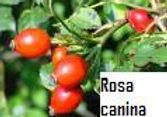

Rosa canina (Dog rose)
Botanical Name: Rosa canina
Sanskrit Name:
Chinese Name:
English Name: Dog rose, Dagger rose
Family Name: Rosaceae
Parts used: Fruits/seeds, petals, oil
Medicinal Uses of Rosa canina (Dog rose)
The seed of Rosa canina possesses diuretic, stringent, laxative properties and vitamin C, A, B, E, and K. Chemical-wise; Rosa canina contains flavanoids, tannins, organic acids, pectin and sugars.
Rosa canina has been used since the ancient Greeks and Chinese. Rosa canina was being administered for many ailments including heart diseases, nervous disorders, diarrhea, sores, coughs, colds, aching joints, lethargy, and eye inflammation, and also indicated good results in patients of osteoarthritis.
Rosa Canina’s oil is applied for certain skin disorders, i.e. pigmentation, eczema, chapped skin and other skin conditions.

Rosmarinus officinalis (Rosemary)
Botanical Name: Rosmarinus officinalis
Sanskrit Name: Rusmari, Biranjsifa
Indian Name:
English Names: Rosemary
Family Name: Lamiaceae
Parts used: Leaves, Twigs
Medicinal uses of Rosmarinus officinalis (Rosemary)
Rosemary is another source of anti-oxidant, anti-inflammatory, antibacterial, anti-viral, anti-depressive, antimicrobial, an analgesic. Rosemary acts as a memory enhancer and mammary gland tumors inhibitor.
Taking Rosemary tea increases energy, acts as a health tonic, and an antispasmodic.
Rosemary’s infusions, oil, tinctures and syrups are used to treat rheumatism, digestive complaints, colds and flu, aching muscles, low blood pressure, depression, chronic headache, Alzheimer’s disease, colon cancer, fungal and bacterial infections and many other ailments.
Rumex crispus (Yellow Dock)
Botanical Name: Rumex crispus
Sanskrit Name:
Indian Names:
English Names: Yellow Dock, Garden patience, Curled Dock, Sour Dock
Family Name: Polygonaceae
Parts used: Root
Medicinal uses of Rumex crispus (Yellow Dock)
Rumex Crispus has long been respected by herbal practitioners, as a cure-all. Rumex Crispus has astringent, bitter, diuretic, and strong laxative properties, and some chemical compounds such as anthraquinone glycosides, tannins, potassium oxalates, and many more.
Today, Rumex Crispus root is gaining market worldwide due to its many curative activities.
Rumex Crispus is said to combat diseases such as anemia, jaundice, dysentery, intestinal worms, swellings, tumors, gallbladder disorders, fibroids, boils, burns, bleeding hemorrhoids, swollen glands, irritable bowel syndrome, and certain skin diseases, including eczema, psoriasis and acne.


Salix alba (White willow)
Botanical Name: Salix alba
Sanskrit Name:
Indian or Chinese Names: Bai liu
English Names: Europen willow, White willow,
Family Name: Salicaceae
Parts used: Bark
Medicinal uses of Salix alba (White willow)
For many years, Salix Alba has been a folk remedy for malaria, fevers, heart-burn, headache, gout, muscle and joint pains, arthritis, rheumatisms and inflammations.
The bark of the plant is well known for its salicin content which was administered traditionally and extracted in conventional medicines for almost a thousand years before aspirin was discovered.
Salix Alba bark also possesses antioxidant, antiseptic, immuno-stimulant, and important chemicals such as flavonoids, glycosides, tannins and prostaglandins.
Salvia officinalis (Sage)
Botanical Name: Salvia officinalis
Sanskrit Name:
Indian Name:
English Names: Sage, Broadleaf, Dalmatian sage, Garden sage, Kitchen Sage, Common Sage
Family Name: Lamiaceae
Parts used: Leaves, Flowers
Medicinal uses of Salvia officinalis (Sage)
Sage possesses astringent, antiseptic, antibacterial, anti-viral and immuno-modulating activities.
Sage is widely used for treating diarrhea, virginal infections, insect bites, bleeding gums, indigestion, hemorrhoids, excessive milk in nursing mothers, chronic fatigue, abdominal pain, liver infections, Alzheimer’s disease, hot flashes, and to enhance memory .
Sage is also used in Italian dishes as salads, sometimes as a main tea and a food flavoring agent, used in cosmetics and as well as in perfume preparations.
Sambucus nigra, S.nigra (Elderberry)
Botanical Name: Sambucus nigra, S.nigra var. Canadensis
Sanskrit Name:
Indian or Chinese Name:
English Names: Elderberry, Black Elder, European Elder, Common Elder, Pipe Tree, Bore Tree
Family Name: Flowers, Fruits/berries
Parts used: Caprifoliaceae
Medicinal uses of Elderberry (Elderberry)
Sambucus nigra possesses antiviral, anti-inflammatory, immuno-stimulant, astringent and anticancer properties.
Sambucus nigra contains essential oils and useful ompunds such as flavonoids, organic acids, triterpenes, etc.
During the ancient times, Sambucus nigra was used as purgative, diuretic and laxative agent, and all parts of the plant were put together in preparation of a decoction which was considered as a cure-all.
Now days, : Sambucus nigra’s flowers and berries are traditionally used to treat colic and diarrhea, fever, coughs, colds, congestion, bronchitis, influenza, allergies, rheumatism, swollen limbs, burns, inflamed mucous membranes, and as an immuno-stimulant, anticancer and anti-inflammatory activity.
Apart from being a medicinal plant, Sambucus nigra has long and widely been used in preparation of cosmetics. Sambucus nigra’s juice made of berries was applied in the hairs as dye, and flowers were made into cordials and teas.
Other people wrap Sambucus nigra’s berries into pies and tarts.
Sambucus nigra is also used as one of the ingredients that help manufacturing jellies, jams, chutneys, preservatives, and wine.
Sambucus nigra’s wood is made of fences, pegs, needles, and mathematical instruments.


Sanguinaria Canadensis (Bloodroot)
Botanical Name: Sanguinaria canadensis
Sanskrit Name:
Indian Name: Indian paint
English Name: Bloodroot, red puccoon
Family Name: Papaveraceae
Parts used: Rhizome
Medicinal Uses of Sanguinaria Canadensis (Bloodroot)
Bloodroot possesses anti-spasmodic, anti-bacterial agents and alkaloid compounds. Bloodroot is professionally prepared for dental plaque and gum diseases, taken internally to induce vomiting, and to treat lung inflammations, stomach complaints, heart and nervous disorders, coughs, sinusitis, asthma, laryngitis and other respiratory diseases.
Blood root’s rhizome can also be taken to ease fevers and rheumatism, chewed for healing gum inflammation, and its poultice is applied for burns, sores, eczema, and fungal infections.
Santalum album (Chandan)
Latin Name: Santalum album
Sanskrit Name: Srikhanda, Swetacandana
Indian Name: Chandan, Safed Chandan, Chandanam
English or Common Name: Sandal wood, Tan xiang
Family Name:
Parts used: Heart Wood
Medicinal uses of Santalum album (Chandan)
Sandalwood is mostly used in preparation of essential oil which is considered as a stimulant, antiseptic, and also has high amounts of alpha- and beta-santalol which in turn exhibits antibacterial and sedative properties.
The essential oil is used to treat mucous membrane, gonorrhea, excessive sweating and fevers.
Sandal wood powder is again used in preparation of perfumes due to its strong aromas, and also applied locally as a mask: usually a half table spoon of sandal wood and turmeric powder are mixed with milk and applied as an exfoliation and then patted as a mask for acne, eczema and other skin conditions. It works effectively.
Saraca asoca (Ashoka)
Botanical Name: Saraca asoca
Family Name: Caesalpiniaceae
Common Name: Asok, Ashoka, Asogam, Wu You Hua, Osaka.
Parts used: Bark, Flowers, Seeds.
Habitat: Throughout india in evergreen forests.
Medicinal uses of Saraca asoca (Ashoka)
Ashoka’s dried flowers are used in diabetes and haemorrhagic dysentery and seeds are used for curing bone fractures, strangury and vesical calculi. An extract is prepared by grinding the flowers with water, and then taken in a dosage of 15 to 60 drops twice a day.
The bark of Saraca Asoca is useful for menorrhagia, dysentery,leucorrhea, uterine fibroids and hemorrhage.
Therapeutics recommends 90 grams of the bark to be boiled in 30 ml of milk and 360 ml of water till the total quantity is reduced to 90 ml. This is then divided into 2 or 3 doses to be given in a day. The treatment should commence from the fourth day of the menstruation and continue till the bleeding is gone. But fresh bark has been found to work faster than dried one.


Sassafras albidum (Sassafras)
Botanical Name: Sassafras albidum
Sanskrit Name:
Indian Name:
English Names: Sassafras
Family Name: Lauraceae
Parts used: Leaves, Roots
Medicinal Uses of Sassafras albidum (Sassafras)
Sassafras is mainly used as a tonic, diuretic and blood purifying agent. Sassafras has also been said to be useful in treating bronchitis, gout, gastritis, indigestion, kidney and bladder diseases, syphilis, rheumatism, gangrene, bruises, insect bites, and swellings.
Though some studies indicated certain toxicities in some of Sassafras parts, it is still widely used as a flavoring agent for foods, tooth pastes, chewing gums, perfumes, pesticides and its tea, tinctures and tablets are still available in many drug stores.
Schisandra chinensis (vine-bay)
Botanical Name: Schisandra chinensis, Schisandra magnolia vine
Sanskrit Name:
Indian or Chinese Name: Wu wei zi
English Names: Bay-star, vine-bay
Family Name: Schisandraceae
Parts used: Fruits, Leaves
Medicinal uses of Schisandra chinensis (vine-bay)
Schisandra Chinensis is another herb which is categorized by Chinese as ginseng. Schisandra Chinensis is used in China as a general health tonic and an adaptogen, and sometimes as a cure-all.
Schisandra Chinensis is highly respected for its ability of enhancing memory, immune system, increasing energy and intelligence.
Schisandra Chinensis is also among those lants atha are used to treat liver, kidney and lung infections, coughs, bronchitis, asthma, impotence, hepatitis, depression, fatigue. On another hand Schisandra Chinensis acts as a heart protector and stamina increaser.
Propertty-wise, Schisandra Chinensis possesses anti-inflammatory, anticancer, antidepressant, anticonvulsive, aphrodisiac, sedative, and lignans as compounds
Scutellaria laterriflora (Scull-cap)
Botanical Name: Scutellaria laterriflora
Sanskrit Name:
Indian Name:
English Names: Scull-cap, Skull-cap, Blue-skull-cup, Virginia-skull-cup, Helmet-flower, Mad-dog-weed
Family Name: Lamiaceae
Parts used: Dried Aerials
Medicinal use of Scutellaria laterriflora (Scull-cap)
For more than 1000 years, Skullcap has been used to treat insomnia, nervous tension, anxiety, rabies and kidney disorders.
Studies indicated that, skullcap contains flavonoids, including scutellarin that found to inhibit sedative and antispasmodic actions.
In clinical trials, extract of such compounds helped to treat spasms, epilepsy, hysteria, neuralgia, headaches and hiccups, convulsion, madness, muscular tension, stress, fibromyalgia, and acted as a nerve tonic.
Scull-cap is also said to improve blood flow, most especially in paralysis patients


Serenoa repens (Saw Palmeto)
Botanical Name: Serenoa repens
Sanskrit Name:
Indian Name:
English Names: Saw Palmeto, Palmetto-berry, American Dwarf Palm Tree, Sabal Palm
Family Name: Aracaceae
Parts used: Fruits (berries)
Medicinal uses of Serenoa repens (Saw Palmeto)
Serenoa repens berries are mainly used for prostatic enlargement, as a promoting agent for both male and female reproductive organs, and it also acts as general health tonic.
The Saw Palmetto berries have diuretic, sedative, expectorant, aphrodisiac, anti-inflammation and suppressant activities.
Saw Palmeto berries are also considered useful in treatment of gallbladder and urinary tract infection, prostate hyperplasia, genitourinary inflammation, premature ejaculation, cystitis and gallstones.
Strychos Ignatii (Ignatius Bean)
Botanical Name: Strychos Ignatii
Sanskrit Name:
Synonyms: Ignatia Amara, Strychnos Ignatia
English Name: Ignatius Bean, St. Ignatius Bean
Family Name: Loganiaceae
Parts used: Seed
Medicinal uses of Strychos Ignatii (Ignatius Bean)
Strychos Ignatii is used as a cure for cholera, headaches, indigestion, paralysis, and as an appetite stimulant.
The seeds of Strychos Ignatii are also recommended for nervous debility, hysteria endometriosis, fibroids, mental afflictions, severe depression, headaches, indigestion, insomnia, hemorrhoids, dry coughs, and sore throat.
Symphytum officinale (Comfrey)
Botanical Name: Symphytum officinale
Sanskrit Name:
Indian Name:
English Name: Comfrey, black-wort, common, slippery root, comfrey, knit-bone, boneset
Family Name: Boraginaceae
Parts used: Leaves and Roots
Medicinal Uses of Symphytum officinale (Comfrey)
Comfrey uses, started fromancient Greeks; they administered a poultice made of comfrey leaves and roots to treat external wounds, fractures, bruises, stop bleeding and certain skin diseases.
Today, leaves and roots of Comfrey are turned into teas and used for Bronchial asthma, whooping cough, tuberculosis, ulcers and hemorrhoids, broken bones, burns, arthritis, gangrene, stomachaches, internal bleeding, diarrhea, dysentery, indigestion.
Though, comfrey contains toxicities, it is still widely used but under professional super-vision.


Tabebuia impetiginosa (Pau d'Arco)
Botanical: Tabebuia impetiginosa
Sanskrit Name:
Indian or Chinese Name:
English or Common Names: Pau d'Arco, Lapacho, Ipe roxo, Taheebo
Family Name: Bignoniaceae
Parts used: Bark, Leaves, Heart Wood.
Medicinal uses of Tabebuia impetiginosa (Pau d'Arco)
Tabebuia Impetiginosa or Pau d'Arco has curative powers, including ant-inflammatory, anti-oxidant, antiviral, anti-malarial, anticoagulant, and immunostimulating activities.
Pau d'Arco is highly recommended for cancer, including tumors and leukemia, and considered useful in treating influenza, malaria, syphilis, prostatitis, dysentery, gastro-intestine, asthma, pneumonia, diabetes, Parkinson’s disease, arthritis, allergies, and certain skin conditions, including psoriasis, bacterial and fungal infections.
Tanacetum parthenium (Feverfew
Botanical Name: Tanacetum parthenium
Sanskrit Name:
Indian Name:
English Name: Bachelor’s Buttons, Feverfew, Featherfew, Feathefoil
Family Name: Asteraceae
Parts used: Leaves, flowering tops
Medicinal uses of Tanacetum parthenium (Feverfew)
For many centuries, Tanacetum Parthenium has been a medicinal plant which is used to treat migraine, arthritis, excessive bleeding, hormonal imbalance, stomachaches, headaches, and inflammations.
In the ancient Greeks, Americans, and Europeans; Tanacetum parthenium was to some extent used as a cure for almost every disease, including morning sickness, stomachache, kidney problems, colic, fevers, nausea inflammations and rheumatism.
According to the current studies, Feverfew indicates the ability of relieving migration, and it possess useful compounds similar to camphor, with an anti-inflammatory.
Taraxacum officianale (Dandelion)
Botanical Name: Taraxacum officianale
Sanskrit Name:
Chinese Name: Pu Gong Ying
English Name: Dandelion, Lion’s Tooth, Swine Snout, Blow Ball, Wild Endive
Family Name: Astaraceae
Parts used: Leaves, flowers, root
Medicinal Uses of Taraxacum officianale (Dandelion)
Dandelion contains detoxifying, diuretic, laxative and stimulating properties.
Dandelion is used for treating anemia, fever, boils, eye problems, diabetes, liver and kidney diseases.
Dandelion is also considered useful in treating digestive problems, appendicitis, tumors, gallstones, jaundice and hepatitis, mastitis, abscesses, breast inflammation, heartburn, high blood pressure, and dyspepsia.
Dandelion is an effective remedy for rheumatoid arthritis, gout, eczema, psoriasis, and other skin disorders including acne.
Dandelion leaves are eaten as vegetables. Roots, leaves and flowers are used in preparation of certain beers.
Taxus brevifolia (Pacific yew)
Botanical Name: Taxus brevifolia, Taxas bacata
Sanskrit Name: Talispatra
Indian or Chinese: Himalayan yew
English Name: Western Yew, Pacific yew
Family Name: Taxaceae
Parts used: Bark, leaves
Medicinal Uses of Taxus brevifolia (Pacific yew)
Taxus Brevifolia bark was once a folk remedy for treating all types of cancer.
But the studies indicate that, it is only able to relieve breast, ovarian, colon and lung cancers, Alzheimer’s disease, STDs, hair loss, and it can also act as an immunostimulant and blood purifying agent.
Terminalia Arjuna (Arjuna)
Latin Name: Terminalia Arjuna
Sanskrit Name: Arjuna
Indian Name: Kahu, Kahua, Sardhol
English Name: Arjuna, White Murdah
Family Name: Combretaceae
Parts used: Leaves and Bark
Medicinal Uses of Terminalia Arjuna (Arjuna)
The bark of the Arjuna is powdered and sold in most of spices stores in the cities of India.
Arjuna bark contains calcium salts and a little amount of tannin, magnesium and is astringent in taste. The juice made of Arjuna leaves is believed to cure dysentery and earache.
A decoction or powder made of arjuna bark is mainly used for both prevention and treatment of heart diseases; including angina, heart failure, and hypercholesterolemia.
The bark of Arjuna possesses diuretic, prostaglandin enhancer and anti-oxidant properties. It is also used to treat asthma, to help bones regain their strength and as a sexual stimulant.


Tinospora cardifolia (Guduchi)
Botanical Name: Tinospora cardifolia
Sanskrit Name: Amrita, Guduchi Madhuparnika, jwarnashi, Tandrika, Kuan jin teng (Chinese)
Indian Name: Giloe, Guduchi, Gulbel, Guracha
English Name: Heart-lived-moon-seed, Tinospora
Family Name
Parts used: Stem, leaves
.
Medicinal Uses of Tinospora cardifolia (Guduchi)
Guduchi, also called Amrita; meaning “immortality”; this is due to its ability of imparting youthfulness, vitality and longevity to the human body.
Guduchi is highly understood and respected in India by the Ayurvedic physicians. It is well known as a greatest herb for clearing the micro-circulatory system and other bodily channels.
Guduchi is considered effective for its ability to remove both exogenous and endogenous toxins from external and internal sources.
Guduchi balances and purifies fat tissue, enhances all aspects of mind power, helps digestion, assimilation and proper formation of all the body tissues known in Ayurveda as “Dhatus”.
Gudduchi balances vata, pitta and kapha, improves liver function and helps treating certain liver disorders, urinary tract, intestines complaints, enhances immune system, and strengthens the body.
Generally, Guduchi possesses anti-cancer, anti-diabetes, anti-inflammatory, anti-bacterial, anti-spasmodic and anti-stress activities. Guduchi acts as hypolipodemic, hepatoprotective and an immunomodulator.
Guduchi is also used for treating gout, malaria and some types of fevers, neurological diseases, including rheumatoid arthritis. Guduchi is also used for treating vomiting, diabetes, syphilis, excessive thirsty, menorrhagia, and to stop bleeding after birth
Thuja occidentalis (Thuja)
Botanical Name: Thuja occidentalis
Sanskrit Name:
Indian or Chinese Name:
English Names: Thuja, Eastern-white cedar, eastern-arborvitae, tree of life, northern-white cedar, swamp cedar
Family Name: Cupressaceae
Parts used: Young leaf twigs
Medicinal uses of Thuja occidentalis (Thuja)
Thuja Occidentalis possesses volatile oil, flavonoids, tannins, polysaccharides, and acts as expectorant, immuno-stimulant, and sometimes abortifacient.
The plant is extracted and made of tablets, tinctures, oil, syrups, and also boiled to make decoctions, which are mainly prescribed for congestive heart failure, bronchitis, urinary tract infection, rashes, eczema, warts, neuralgia, muscle pains, certain types of cancer and rheumatoid arthritis.
Clinical trials also indicated Thuja‘s ability of stimulating white blood cells in HIV/AIDS patients.


Thuymus vulgaris (Thyme)
Botanical Name: Thuymus vulgaris
Sanskrit Name: Vanya Yavani
Indian or Chinese Name:
English Names: Common thyme, Thyme, Garden Thyme
Family Name: Lamiaceae
Parts used: Leaves, Flowers, Oil
Medicinal uses of Thuymus vulgaris (Thyme)
Thuymus Vulgaris possesses antiseptic, antiviral, antifungal, antibiotic, antioxidant, antibacterial, antispasmodic and anti-inflammatory activities.
Thyme oil or infusions are widely recommended for nervous depression, spasm, bruises and sprains, bronchitis, laryngitis, digestive complaints, asthma, and many other ailments.
Trillium erectum (Beethroot)
Botanical Name: Trillium erectum
Sanskrit Name:
Indian Name:
English Name: Bethroot, Wake Robin, Birthroot, Stinking Benjamin
Family Name: Liliaceae
Parts used: Rhizome
Medicinal Uses of Trillium erectum (Beethroot)
Beethroot has long been used as an aid for child-birth and as a treatment for menstrual disorders.
Beethroot’s poultice of entire plant was once used to treat ulcers, inflammation, and cancerous tumors.
Other people ate the rhizomes as an aphrodisiac, chewed the root to slow down heart palpitations, and sniffing the flowers was believed to treat nose bleeding.
Now days, it is the rhizome of the plant turned into a form of tea, which is taken to induce child birth, labor pains, ease the symptoms of menopause, soothe sore nipples, and to treat cough, excessive bleeding and bowel complaints.
Beethroot also indicated good results in treating hemorrhage, asthma, chronic lung disorders, snake bite, insect bite, various skin irritations, diarrhea, dysentery, menorrhagia and fibroids.


Ulmus rubra (Slippery Elem)
Botanical Name: Ulmus rubra, Ulmus fulva (synonym)
Sanskrit Name:
Indian Name: Indian-elm
English Names: Slippery Elem, Moose-elm, Soft-elm, Winged-elm, Gray-elm
Family Name: Ulmaceae
Parts used: Bark, Wood
Medicinal uses of Ulmus rubra (Slippery Elem)
The bark of Ulmus Rubra has been medically used since 1860s as an-antibacterial, anti-inflammatory and a source of anti-oxidant.
Slippery Elem is also recommended for lung infections, including pneumonia and TB. The Cherokees administered the bark infusions for coughs, skin and eye-infections.
Now days, many people use powdered bark, or tincture, syrups, and capsules of Ulmus Rubra for pleurisy, gastritis, ulcers, sore throat, diarrhea, dysentery, stomach complaints, inflammations, and gastrointestinal tract disease.
Uncaria tomentosa (Cat’s claw)
Botanical Name: Uncaria tomentosa, Uncaria guianensis
Sanskrit Name:
ndian Name:
English Name: Cat’s claw, Una de gato, Peruvian cat’s claw, Hawk’s claw
Family Name: Rubiaceae
Parts used: Bark, Root
.
Medicinal uses of Uncaria tomentosa (Cat’s claw)
Cat‘s claw is one of the most popular herbaceous plant in many developed countries including US.
Traditionally, Cat’s claw and its other species have been used for more than 2000 years as a folk remedy for asthma, urinary tract infections, arthritis, rheumatism, bone pains, recovery from child birth, kidney and intestinal disorders, painful wounds, inflammation, gastric ulcers, cancer, diabetes, hemorrhages, menstrual problems, cirrhosis of the liver, fevers, gonorrhea, and as a contraceptive.
Cat’s claw is also known for boosting immune system, treat some viral diseases, including HIV and STDs.


Urtica dioica (Garden Nettle)
Botanical: Urtica dioica
Sanskrit Name:
Indian Name:
English Names: Garden Nettle, Stinging Nettle, Common Nettle
Family Name: Clusiaceae
Parts used: Leaves, Roots
Medicinal uses of Urtica dioica (Garden Nettle)
Urtica Dioica is useful in treating poor circulation and blood infections, including skin diseases, such as eczema and acne.
Urtica Dioica is also recommended for arthritis, rheumatism, anemia, wounds and sores, gouts, kidney and immune disorders, and inflammation diseases.
Urtica Dioica has polysaccharides, protein-sugar molecules, flavonoids, acts as histamine, formic acid, acetylcholine, diuretic and immono-modulating agents. Now days, Urtica Dioica is mainly prescribed for prostatic enlargement, rheumatoid-arthritis, blood impurity and poor immunity.
Vaccinium macrocarpon (Cranberry)
Botanical Name: Vaccinium macrocarpon
Sanskrit Name:
Indian Name:
English Name: Cranberry, crane berry, bog cranberry, bounce berry
Family Name: Ericaceae
Parts used: Fruits or Berries
Medicinal Uses of Vaccinium macrocarpon (Cranberry)
Cranberry is an herbaceous that is used by many people worldwide, it is proved as a curative agent for urinary tract infections, wounds, and prostatic enlargement and lung diseases.
The Berries are also boiled or eaten raw for treating digestive complaints, liver problems, scurvy, to improve appetite, and as a blood purifier.
Cranberry has astringent and diuretic activities; it contains flavonoids, vitamin C and preventive powers for infectious diseases.
Cranberry is an effective herb for both prevention and treatment of kidney, gall stones, and urinary tract infections.
Cranberry possesses antibacterial properties which are effective for virginal infections, including leucorrhea.
Vaccicinum myrtillus (Bilberry)
Botanical Name: Vaccicinum myrtillus
Sanskrit Name:
Indian Name:
English Name: Bilberry, Hurckle-berry, European blue-berry, Whortleberry
Family Name: Ericaceae
Parts used: Leaves, Fruits
Medicinal uses of Vaccicinum myrtillus (Bilberry)
The plant produces a profusion of dark, sweetbriers with a taste that similar to American blueberries.
Its berries are eaten fresh and some people like them when dried. They are sometimes traditionally stewed into jellies and jams, baked into tarts and pies, and also made into wine and as color additive to certain wines.


Varbascum Thapsus (Great Mullein)
Botanical Name: Varbascum thapsus
Sanskrit Name:
Indian Name:
English Name: Great Mullein, Aasron’s rod, velvet dock, candlewick
Family Name: Astraceae
Parts used: Flowers, Leaves
Medicinal Uses of Varbascum Thapsus (Great Mullein)
Varbascum Thapsus possesses potential chemicals such as flavonoids, mucilage, glycosides, triterpen saponinis, acids.
Great Mullein also possesses diuretic, antiviral, and anti-inflammatory properties.
Great Mullein is recommended for certain infectious diseases, including herpes simplex virus, influenza A and B, and certain skin infections.
Traditionally, Varbascum Thapsus (Great Mullein) was used to treat burns, sores, ringworms, ulcers, wounds, cough, colds and flu, indigestion and kidney disorders.
Valerian Officinalis (Valerian)
Latin Name: Valerian officinalis
Sanskrit Name: Sangadhabala
Indian or Chinese Name: Pindi Tagar, Tagara Ganthola
English Names: Garden Valeria, Valerian, Garden Heliotrope
Family Name: Valerianaceae
Parts used: Rhizome, secondary root
Medicinal Uses of Valerian Officinalis (Valerian)
Valerian Officinalis has been used since the ancient times as a cure for nervous tension, insomnia, nausea, stress, urinary tract infection, digestive complaints, epilepsy, jaundice, and as an antidote, diuretic and sedative agent.
Now days, Valerian Officinalis is prescribed for spasms, headaches, heart palpitations, hyperactivity, fatigue, nervous anxiety, depression, stress and muscle spasms and it also has volatile oil.
Vetiveria zizanioides (Khus-Khus)
Latin Name: Vetiveria zizanioides
Sanskrit Name: Useheera Virana
Indian Name: Khus Vala
English Name: Vetiver Cuseus Grass, Khas-Khas, Khus-Khus
Family Name: Gramineae
Parts used: Roots
Medicinal uses of Vetiveria zizanioides (Khus-Khus)
Ayurveda (The Indian traditional Medical System) uses Khus Khus root to pacify vitiated pitta and vata and to treat burning sensation, hyperdyspesia, ulcer, skin diseases, vomiting, nausea, flatulence, colic, cough, fever, low back pain, headache and general debility.
During summer season in India, khuskhus roots are put into the earthen pot to keep drinking water cold and lend its distinctive flavor and aroma to the water.


Withania somnifera (Ashwagandha)
Botanical Name: Withania somnifera
Sanskrit Name: Ashwagandha Balada, Vajini, Pushtida, Vataghni
Indian Name: Ashwagandha, Asgandh
English Name: Winter Cherry
Family Name: Solanaceae
Parts used: Leaves, roots, seeds
Ashwagandha is one of the top herbs believed in Ayurvedic systems. The powder of Ashwagandha root is widely sold all over India and in other countries of the world where people are more interested in herbal remedies.
Medicinal uses of Withania somnifera (Ashwagandha)
Ashwgandha has long been considered as an excellent rejuvenator, it is highly respected as a general tonic for health and a cure for all source of ailments. The plant is highly considered as a sedative, diuretic, anti-inflammatory and generally for energy, strength, and endurance.
Ashwagandha is believed as an-adaptogenic, immune strengthener and a stress reliever.
Today, Ashwagandha is found in in a number of forms including teas, powders, pills, syrups that are recommended for cold and coughs, ulcers, emaciation, diabetes, conjunctivitis, epilepsy, insomnia, senile dementia, leprosy, Parkinson’s disease, nervous disorders, rheumatism, arthritis, intestinal infections, bronchitis, asthma, and as a sexual enhancer.
Ashwagandha possesses abortifacient in a large dosage, recommended as well as an astringent, deobstruent, nervine, aphrodisiac and sedative.
Ashwagandha is popularly known as Indian Ginseng due to its vitality and vigor giving action.
Viscum album (European mistletoe)
Botanical Name: Viscum album
Sanskrit Name:
Chinese Name:
English Name: European mistletoe, Birdline
Family Name: Viscaceae
Parts used: Leaves, Twigs
Medicinal uses of Viscum album (European mistletoe)
Mistletoe was locally used by the Europeans as anti-cancer, immunostimulant, and antiepileptic agent.
Now days, European mistletoe is used for arteriolosclerosis, inflammations, hepatitis, delirium, dizziness, hysteria, HIV/AIDS, cancer, palpitation, low blood pressure and nervous tension.
Mistletoe contains lectins and viscotoxins that seem to play a big role in stimulating immune system and exhibit anticancer properties. Clinical trials also indicated that Mistletoe can be helpful in low blood pressure and hepatitis C patients.
Virburnum prunifolium (Black Haw)
Botanical Name: Virburnum prunifolium
Sanskrit Name:
Indian Name:
English Name: Black Haw, Sloe-leaved, Cramp Bark, Smooth-black-haw
Family Name: Caprifoliaceae
Parts used: Bark, Root
Medicinal uses Virburnum prunifolium (Black Haw)
Black haw bark and root teas are taken for promoting pregnancy and childbirth, to treat menstrual disorders and prevent miscarriages, to ease uterine spasms after childbirth and strengthen female’s reproductive organs, to prevent and calm muscle spasm, promote sweating and treat fever and small pox, and also used as a mouth wash for sore gums.
Black Haw bark ishighly valued by the physicians for its sedative, astringent, anti-inflammatory and antispasmodic agents, and certain compounds such as scopoletin and aesculetin which acts as sedative and promoters of hormone serotonin secretion.
Black Haw is one of the most useful herbs for women; it combats menopause symptoms, labor pains, morning sickness, colic and heavy menstruation. Black Haw is considered effective in the treatment of asthma, nervous and gallbladder disorders, low blood pressure and digestive complaints.
Botanical Name: Vitex agnus castatus
Sanskrit Name: Nirgudi
Indian Name: Neruka, Sembhlu
English Name: Chaste Tree, Chaste Berry, Monk’s Pepper
Family Name: Verbenaceae
Parts used: Fruits, roots
Medicinal uses of Vitex agnus castatus (Chaste Tree)
For many centuries, Chaste Tree has long been considered as a valuable medicinal plant due its effectiveness on reproductive organs.
Chaste Tree has been reported to combat hormonal imbalance, infertility, and premenstrual syndrome (PMS).
Chaste tree parts are sold in many African, European, Asian drug markets and recommended for menstrual disorders including fibroids.
Chaste Tree is also used in treating flatulence, constipation, fevers, hangovers, impotence, depression, migraine and some skin conditions such as acne.
Chaste tree contains alkaloids, flavonoids and steroidal hormones components.
Chaste Tree’s leaves are considered to be tonic and aromatic, and some people smoke them to relieve headache, catarrh and swellings of joints caused by acute rheumatism.
The leaf juice of Chaste Tree is taken for removing foetid discharges and to expel intestinal worms. Chaste Tree’s oil is applied for sinusitis and scrofulous sores, and the root infusions act as an expectorant and a health tonic.

Botanical Name: Zingiber officinale
Sanskrit Name: Ardaraka, Sunthi,vishyabhesai, sauparna
Indian Name: Adraka, Sonth
English Name: Ginger
Family Name: Zingiberraceae
Parts used: underground stem
Medicinal uses of Zingiber officinale (Ginger)
Ginger has a number of curative powers. For many centuries ginger has been used in curing diseases including nausea, vomiting, stomach upsets diarrhea, indigestion, colic, intestinal parasites, arthritis, food poisoning, and certain heart conditions.
Ginger promotes perspiration and digestive system.
Ginger is good in treating colds, flu, bronchitis, flatulence, and it effectively acts as relaxant for muscle spasms.
Ginger essential oil stimulates circulation, relieves rheumatic and joint pain, motion sickness, and gastrointestinal tract.
Many people chew fresh ginger root for sore throat or tonsillitis, cold and flu; and the results are good.
Ginger contains certain compounds including shogaols and gerols, and properties including antioxidant, antispasmodic and anti-cholesterolemia.
