


You can shop for herbs at low prices. Our packing is set for retailers, wholesalers or pharmacists. Meaning that, you can buy from us and display for retailing, wholesaling and extracting. A box of the roots, bark, leaves, flowers or leaf powder, etc. contains 12 packets and each packet weighs 100-150 grams. Only some of the flowers are packed in 50gramsX12. Remember that, we deliver orders freely to Maputo, Johannesburg, Dar-es-salaam, Kampala, Lusaka, Windhoek, Gaborone, Harare, Lilongwe and Nairobi.
Aminaherbs.com offers the best quality herbs from India and other countries of the world. Spend up to US$ 1000 today and receive up to 20% discount plus free shipping!
Should you wish to buy proper herbs? Kindly contact us on
+255 74 200 8000
WhatsApp;
+255 672 40 6667
E-mail Address;


Abutilon indicum
Botanical Name: Abutilon indicum
Family Name: Malvaceae
Common Name: Abutilon, Indian mallow
Chinese Name: Dong kui zi, Mi lan cao
Part Used: Whole Plant
Always buy organic!
Medicinal uses of Abutilon indicum (Indian mallow)
It is sweet in taste and has cooling, digestive, laxative, expectorant, diuretic, astringent, analgesic, anti-inflammatory, anthelmintic, demulcent and aphrodisiac properties.
It is used in treating gout, tuberculosis, ulcers, bleeding disorders, and worms. A decoction of the whole plant is used in treating toothache and tender gums. A poultice of the leaves is applied for boils and ulcers. Roots are prescribed for fever, chest pain and urethiritis. Dried seeds are extracted and used as a purgative, also leaves are considered as a tonic and an- infusion from the roots is taken to treat fever.
Abutilon indicum is known in China for clearing heat, dampness, and opening of the orifices and invigorating the blood.
In China, it is widely used in treating deafness, ringing in the ears, earache, colds, high fever, mumps, hives, pulmonary tuberculosis, and as diuretic (to increase the flow of the urine)
In India, it is used in treating fever, cough, bronchitis, painful urination, diabetes, painful menses, thirst, hemorrhoids, hernia, diarrhea, worms, and also the poultice is administered for boils and skin ulcers.
Packaging
50grams
Bulk buyers get discount
Abelmoschus moschatus
Latin Name: Abelmoschus moschatus
Sanskrit Name: Latakastri, Gadampura
Indian Name: Kasturidana, Muskandana
English Name: Musk mallow
Family Name: Malvaceae
Parts used: Seeds, Roots, Leaves, Seed-pods
Always buy organic!
Medicinal uses of Abelmoschus moschatus (Musk mallow)
Abelmoschus moschatus is used in treating spasms of digestive tract, muscle cramps, poor circulation and aching joints. The seeds are much more valuable medicinally due to their diuretic, demulcent, stomachic, stimulant, cooling, tonic, carminative, aphrodisiac, and antiseptic properties. When seed are chewed they act as nerve tonic, stomachic and sweetens the breath.
A paste of Abelmoschus moschatus leaves is applied on the cuts, wounds and sprains. The essential oil from the seeds of Abelmoschus moschatus is used in aromatherapy for the treatment of depression and anxiety, cramps, poor circulation and aching joints. Other people add seeds to coffee, whilst leaves and new shoots are eaten as vegetables in some cultures.
The seeds are more valuable because of the volatile oil present in the seed coat. its aromatic constituents have long been used in perfumery industry. Seed analysis report 11.1% moisture, 31.5% crude fiber; 14.5% lipids, 13.4% starch, 2.3% protein, volatile oil (0.2-0.6% ) and ca/ 5% resin.
Abelmoschus moschatus seed constituents include myricetin-3-glucoside and a glycoside of cyanidin in flowers, an aromatic constituent in seeds, beta-sitosteral and its beta-D-glucoside, myricetin and its glucoside in leaves and petals and beta-sitosterol from dry fruit husk.
In India, the seeds are considered bitter, sweet, acrid, aromatic and they are used as well as a tonic, cooling, aphrodisiac, opthalmic, cardiotonic, digestive, stomachic, constipating, carminative, pectoral, diuretic, stimulant, antispasmodic and deodorant. Seeds are believed to combat excessive kapha and vata, intestinal complaints, stomatitis, and the diseases of the heart, excessive thirst and to check vomiting.
Abelmoschus moschatus according to Unani system of medicine, seeds check excessive thirst, used as a cure for stomatitis, dyspepsia, urinary discharge, gonorrhea, leucoderma and itchiness, whilst the roots and leaves are respectively administered for gonorrhea.
Packaging
50grams
Bulk buyers get discount, our e-mail: sales@aminaherbs.com
Abrus precatorius
Botanical Name: Abrus precatorius
Family Name: Fabaceae
Common Name : Rosary Pea, Jequerity, Crab's Eye, Precatory Bean, Tento Muido, Cain Ghe, Graines Reglisse, Weesboontje, Rakat, Hint Meyankoku, Hung Tou, Jequerit, Liane Reglisse, Ma Liao Tou, Paratella, Paternoste
Parts used: Seeds, root.
Medicinal uses of Abrus precatorius (Rosary Pea,Precatory Bean)
The seeds of Abrus precatorius are anodyne, aphrodisiac, diuretic, emetic, febrifuge, laxative, expectorant, purgative, refrigerant, sedative, abortifacient, antispasmodic and anti-microbial. They are externally used in treating paralysis, stiffness, scratches, sores, and wounds caused by dogs, cats and mice, they are ground with lime and applied for psoriasis, acne, boils and abscesses, tetanus and to prevent rabies, where as the root is good in treating jaundice and gonorrhea.
In India, the roots of Abrus prcatorious are used for treating gonorrhea, jaundice and haemoglobinuric bile. The oil from seeds of Abrus prcatorious promotes the growth of hair. Seeds are highly known for their abortifacient, laxative, sedative and aphrodisiac properties.
The leaf infusions of Abrus prcatorious are useful in treating fevers, coughs and colds. In Siddha medicinal system, it is the white part of the Abrus prcatorious seed which is used to make the oil that is regarded as a substitute to Viagra.
The seed paste is applied externally in case of sciatica, stiffness of shoulder joints and as an anti-spasmodic in paralysis patients.
Also, seed paste or oil is applied for healing scratches, sores and wounds caused by dogs, cats and mice. The paste of the roots is often used in the treatment of abdominal pains and tumors. The leaf juice and seeds is said to treat grey hair, but seeds are the most effective.
Constituents include;
Abrine, Abraline, Abrasine, Abricin, Abrin, Abrusgenic-acid, Abrusgenic-acid-methyl-ester, Abruslactone, Abrussic-acid, Anthocyanins, Ash, Calcium, Campesterol, Choline, Cycloartenol, Delphinidin, Gallic-acid,, Glycyrrhizin, Hypaphorine, N,n-dimethyl-tryptophan, N,n-dimethyl-tryptophan-metho-cation-methyl-ester, P-coumaroylgalloyl-glucodelphinidin, Pectin, Pentosans, Phosphorus, Delphinidin, Gallic-acid,, Glycyrrhizin, Hypaphorine, N,n-dimethyl-tryptophan, N,n-dimethyl-tryptophan-metho-cation-methyl-ester, P-coumaroylgalloyl-glucodelphinidin, Pectin, Pentosans, Phosphorus, Picatorine, Polygalacturonic-acids, Precasine, Precatorine and Protein Trigonelline are present in the plant.
Packaging; 50g, dried seeds.
Caution
Care is needed before taking Abrus precatorius seeds internally, if possible, let seeds only be used externally. Abrus precatorius seeds are poisonous if consumed unwisely, they can easily be fatal. Pregnant women should avoid Abrus prcatoruis seeds in any form.
Packaging
50grams, DRIED SEEDS
Bulk buyers get discount, e-mail us now; sales@aminaherbs.com
UNDER THIS CATEGORY, WE HAVE LISTED SOME OF THE PLANTS THAT ARE USED MEDICINALLY, AND FRANKLY INDICATED HOW WERE THEY USED DURING ANCIENT TIMES AND THEIR CURRENT USES.
Should you wish to buy proper herbs? Kindly contact us on
+255 74 200 8000
WhatsApp;
+255 672 40 6667
E-mail Address;
Acacia Arabica/Nilotica
Latin Name: Acacia Arabica/Nilotica
Snskrit Name: Barbura
Indian Name: Babul, Kikar, Bava
English Name: Indian Gum, Indian Arabic Tree
Family Name: Fabaceae
Parts used: Leaves, Pods, Bark and gum
Medicinal use of Acacia Arabica (Babul)
Acacia Arabica possesses tonic, demulcent, carminative, astringent, antipyretic, antispasmodic, anti-inflammatory, anti-hypertensive and anti-stress properties.
The seeds, leaves and bark of Acacia Arabica contain chlorogenic acid, garlic acid and catechin.
Therapeutics use Acacia arabica to treat diarrhea of ordinary intensity; usually they mix an-equal quantity of the tender leaves with white and black cumin seeds in a dose of 12 grams which is given to a patient three times daily. Also an-infusion made of the bark of Acacia arabica found to be useful in treating the same disease. It is found good in treating leucorrhea, epiphora, conjunctivitis and tonsillitis.
The bark found to be useful in treatment of eczema; about 25% of Acacia Arabica bark and manginifera indica bark are boiled in a 1 liter of water and the vapors allowed to forment the affected part, after fomentation, the ghee is applied on an-affected part.
In India, people chew the pieces of fresh bark of Acacia Arabica tree as it is said to help strengthening loose teeth and stop gum bleeding, and they also prepare powder from the heart wood charcoal, roasted Alum and rock salt which is used to clean dirty teeth; usually 60 grams of charcoal of arabica wood, 24 grams of roasted alum and 12 grams of rock salt are found effective in such patients.
The leaves of Acacia Arabica are used in the treatment of conjunctivitis; they are formed into a paste which is applied on an affected eye at night, followed by a bandage which is removed next day morning. Such treatment is good for destroying pain and redness of the eyes.
In case of epiphora (watering of the eyes); about 250 grams of Acacia Arabica leaves are boiled in one and a quarter liter of water until only a quarter liter of water is left. Then filter and keep the decoction in a tight closing bottle. Such decoction can be applied on the eyelids morning and evening.
In case of sexual disorders like spermatorrhea, loss of viscidity of the semen, frequent night discharges and premature ejaculation, a preparation made from the pods of Acacia Arabica is said to be good; about 1 to 1.5 meters of coarse cloth is spread evenly and its corners secured.
The fresh pods of babul (Acacia Arabica) tree are pounded and their juice is squeezed. This fresh juice is pasted on the cloth every morning and evening for at least 20 days until a 5-6 centimeters thick layer is formed on it. A small piece of this cloth weighing 5 to 9 grams is cut and boiled in a liter of cow’s milk which is taken after adding brown sugar for a good taste.
It is also said to increase the power of retention of the semen. Even extremely debilitated patients suffering from the bad consequences of masturbation are believed to get rejuvenated by its use and attain normal retentive power. It improves the spermatorrhea. A.arabica gum is used in treating diabetes, indigestion, etc.
PACKAGING
100grams, dried gum

Acacia catechu
Latin Name: Acacia catechu
English Name: Black cutch, Cutch tree, Catechu
Family Name: Mimosacaae
Parts used: Bark
Always buy organic!
Medicinal uses of Acacia catechu (Black cutch)
Acacia catechu bark possesses astringent, anti-inflammatory, anti-bacterial, anti-fungal and a large amount of antioxidant activities. It is used for treating high blood pressure, leucorrhoea, diarrhea, dysentery, leprosy, colitis, gastritis, bronchitis and cough, and also gargled for gingivitis, toothache, sore throat and mouth infections.
Anti-inflammatory activity: Cyanidanol demonstrated anti-inflammatory activities.
Antifungal activity: The bark extract showed an inhibitory effect on the growth of fungi such as Piricularia oryzae and Colletotrichum falcatum.
Catechu's infusions are taken to stop nosebleeding, uterine haemorrhage, leucorrhoea and gonorrhoea.
Externally, Catechu bark powder is applied for boils, ulcers and cutaneous eruptions. A small piece, held in the mouth and allowed to slowly dissolve, is an excellent remedy in relaxation of the uvula and simple pharyngitis.
Acacia Catechu also possesses hepatoprotective property found in the heartwood. During trials, an ethyl acetate extract in male rats decreased CCI4-induced elevated enzyme levels in acute and chronic models of liver damage.
The results indicated some form of repair of the structural integrity of the hepatocyte cell membrane or regeneration of damaged liver cells.
Decreased levels of serum bilirubin after treatment with the extract in both acute and chronic liver damage indicated the efficacy of the extract in restoring normal functional status of the liver and the protective action of the extract was further substantiated by histopathological observations.
PACKAGING
100grams - bark powder

Latin Name: Achillea millefolium
Sanskrit Name: Shahastaraptri, Gandna
Indian Names: Rojmari, Biranjs Ipha
English Names: Yarrow milfoil, carpenter’s weed, woundwort, nosebleed, herb military’s yarrow way, staunch-weed
Family Name: Astracaceae
Parts used: Leaves, Flowers, Stems
Always buy organic!
Medicinal uses of Achillea millefolium ( Yarrow milfoil)
Achillea millefolium is considered astringent, diuretic, antispasmodic, anti-inflammatory and anti-allergic.
It contains important chemicals including alkaloids achilleines, salicylic acids, flavonoids, azulenes, essential oils, etc. It has been a valuable herb for about six centuries in both westerners and easterners.
Achillea millefolium contains a bitter principle called achillein (C20H38N2O15), was discovered by Zanon, in 1846 (Liebig's Annalen), and shown by Von Planta (1870) to be alkaloidal and identical with the achilleine of Achillea moschata. Zanon also found an acid which he named achilleic acid, and which was subsequently (1857) shown by Hlasiwetz to be aconitic acid. A small portion of a volatile oil, dark-green in color, is also obtained from Achillea millefolium by distillation with water.
Achillea millefolium also contains potassium and calcium salts, resin, gum, and tannin.
Achillea millefolium exerts a tonic influence on the venous system and mucous membranes. It has been taken internally in sore throat, hemoptysis, hematuria and other forms of hemorrhage, incontinence of urine, diabetes, piles with bloody or mucoid discharges, and dysentery; also in amenorrhoea, flatulency and spasms. Yarrow tincture is given in 20-drops for relieving menorrhagia, a process that is effective for this matter.
The active principle, Achillein, has been employed in France and other portions of Southern Europe, as a substitute for quinine in the treatment of intermittent fevers. It has also been administered by French physicians to restore arrested lochial discharges.
Achillea millefolium has been used in many forms including tincture, syrup, capsules, infusions, oil and injection in treatment of low blood pressure, poor blood circulation, spasms, indigestion, colds, hay fever, respiratory disorders, skin diseases and said to be good good in chronic diseases of the urinary apparatus.
Packaging
50g dried leaves.

Achyranthes aspera
Latin Name: Achyranthes aspera
English Name: Prickly Chaff-flower
Family Name: Amarantaceae
Parts used: Seeds, whole plant
Medicinal uses of Achyranthes aspera (Prickly Chaff-flower)
Achyranthes aspera is considered purgative, pungent, diuretic, and has 21.5 %Potassium Bi carbonate present in leaves, 30% in branches, 28.5% in the root, and also contains lime, salt, ferrous, and sulfur.
A. aspera is used for treating phlegm, inflammation of the internal organs, piles, itchiness, fibroids, dysmenorrhea, menorrhagia, asthma, enlarged spleen and cervical glands.
Infusions of the root are used in treating cancer, stomach complaints and as an astringent and abortfacient, seeds as emetic, stems as toothbrushes and infusions of the twigs are gargled for tooth ache.
For spleen enlargement, Achyranthes aspera powder is used in 25 grams twice daily with a little beaten curd. This brings good results in 3 or 4 weeks.
In cholera patients; about 6 grams of the powder mixed with water and taken internally.
In case of renal dropsy, make a decoction by boiling 60 grams of the plant in 150 ml of water for 20 to 30 minutes. About 30 to 60 grams of this strained mixture should be taken twice or thrice daily.
For excessive menstrual bleeding, the whole plant powder of A. aspera is useful in combating menorrhagia and other menstrual disorder.
The leaves are said to be effective in treating stomach ache, piles and bowel complaints. A decoction of the powdered leaves, mixed with honey or sugar candy is useful in the early stages of diarrhea and dysentery.
The leaves can also be used for cuts and wounds; squeeze the juice from the leaves and apply on the wound, and then wrap the wound with a leaf followed by the plaster.
A paste of the leaves made with water work effectively in treating bites of poisonous insects, wasps, bees, etc; squeeze the juice and apply externally on an affected area.
The root of the herb is beneficial for eye-disorders. A paste of the roots with water can be applied by ophthalmic and opacity of the cornea patients.
The seeds ease labor pains; they are ground in water for a fine paste, and applied on the navel, pupils and vulva.
The ash of the herb contains a high proportion of potash and is an antacid. It is an important constituent of alkaline medicine which is useful in counteracting acidity.
Caution
In pregnant women, use it only to ease child birth.
Packaging
100grams, whole plant powder
Bulk buyers get discount, email us now; sales@aminaherbs.com

Aconitum heterophyllum
Botanical Name: Aconitum heterophyllum
Family Name: Ranunculaceae
Common Name: Aconites, Indian atees.
Part Used: Root
Medicinal uses of Aconitum heterophyllum (Aconites)
The dried root is the main important part of the Aconitum heterophyllum due to its analgesic, anti-inflammatory, antipyretic, anti-periodic, aphrodisiac, astringent, cholagogue, febrifuge and tonic activities.
Aconitum heterophyllum is highly prescribed in treatment of liver disorders, dyspepsia, diarrhea, indigestion, nausea, vomiting, throat pain, anorexia, piles and coughs.
The seeds possess stimulant, aromatic, emmenaguogue, stomachic, carminative and anti-pyretic activities. They are prescribed for hyperacidity, hiccup, bad breath, rheumatism, intermittent fevers and acute inflammatory diseases and also act as a tonic and digestive stimulant.
Roots contain non-toxic amorphous alkaloids and it is one of the best bitter tonics for children.
Other components include Alkaloid atisine, Aconitic acid, Tannic acid, Palmitic acid, Stearic acid, Abundant starch, fat, vegetable mucilage, cane sugar, glycerides and Ash
Atisinol, Heterophyllisine, Entatisine dipterpenoid lactone, F-dishydroatisine, Benzylleteratisine, Hetisine, Hetratisine, Hetidine, Atinide, Hestinone, Carotene, Diterpene alkaloid including Heterophyllisine, Hetidine, Atidine, Hetisinone and Atisine.
The herb is known for its appetizing, digestive, astringent, antihaemorrhoidal, and antihelmentic agents-making it useful in treating diarrhea and dysentery.
On another hand, Aconitum heterophyllum acts as a blood purifier, haemostatic and anti-inflammatory.
Aconitum heterophyllum reduces phlegm and clears airways, improves milk secretion in nursing mother, stimulates reproductive system especially in case of impotence.
It also acts as febrifuge in intermittent fever, and it is good in dyspepsia, indigestion, vomiting and fever associated with diarrhea.
PACKAGING
100 grams, root powder or cut
Bulk buyers get discount, e-mail us;sales@aminaherbs.com


Acorus calamus
Botanical Name: Acorus calamus
Sanskrit Name: Vacha, Ugragandha
Indian Name: Bach, Ghodbach, Vekhand, Gandharo Vaj
English Name: Calamus, Sweet Flag, Sweet Sedge, Sweet Rush, Myrtle Grass
Family Name: Acoraceae
Parts used: Root (Rhizome)
Medicinal Uses of Acorus calamus (Sweet Flag)
Acorus Calamus is widely used in preparations of some Ayurvedic medicines; especially for stroke, epilepsy, and other diseases of nervous system.
Acorus Calamus root is chewed for toothache, to clear phlegm from the mouth and to cure motion sickness.
Acorus calamus is also used for treating indigestion, and as an appetite stimulant.
Acorus Calamus is employed for relieving bloating and flatulence, regulating stomach acid production, and treat indigestion, dispelling intestinal worms, and also respected for its sedative, aphrodisiac, antispasmodic and muscle soothing agents that alleviates fatigue and nervous exhaustion when taken internally, bathed or rubbed on the affected part.
Acorus calamus gives relief to heavy stomach by relieving flatulence, colic and increasing appetite. The root is burnt and mixed with bland oil such as refined coconut oil or a poultice of the root can be applied on the abdomen for stomach complaints.
For chronic dysentery, the root infusion can help effectively.
For asthma; Acorus calamus root checks catarrhal matter and phlegm from the bronchial tubes. About 65 centigrams of root powder is taken every after 2-hour till the condition subsides.
For common cold; a small piece of rhizomes is roasted, powdered, and a pinch of this powder mixed with honey and taken internally. If the same condition occurs in the infants, the paste of calamus mixed with breast milk and held on the baby’s tongue, or a mother of the baby can apply a little bit of the paste of A. Calamus on the nipple and then breast feed a child.
For mouth ulcers, a small piece of Acorus calumus root is rubbed on the tongue until the relief is obtained.
For whooping cough, a pinch of roasted Acorus calamus root powder is mixed with honey and given to the sufferers, and it is also good for worms.
Packaging
100grams, root-cut or powder
Adansonia digitata
Botanical Name: Adansonia digitata
Common Name: Baobab, The tree of life, Upside down tree
Family: Bombacaceae
Parts Offered: Fruit powder
Medicinal uses of Adansonia digitata (Baobab)
The name "Tree of life" was formed because of Baobab’s many uses medicinally, almost every part of it, was used for healing purposes. But after research, only the fruits were found to be highly beneficial in terms of nutrition and minerals.
Baobab fruit powder has an exotic tangy flavor due to its content of citric, malic and tartaric acids and is exceptionally nutritious containing high natural levels of antioxidants, essential minerals including calcium, potassium, iron and magnesium, and vitamin C.
Baobab fruit powder is suitable for use in a wide range of food and drink products including:
-
Smoothies and juices.
-
Cereals, cereal bars and snacks.
-
Ice creams, yoghurts and dairy desserts.
-
Jams, sauces, marinades and condiments.
-
Specialty teas.
-
Health supplements.
The powder has high pectin content (around 25%) and is especially useful for products where binding and thickening is needed.
For applications where the flavor of baobab is required without the thickening property, a depectinised extract can help. Baobab powder is again used with water and sugar to make a popular and refreshing sherbet-like drink, and also used in preparation of porridge, sauces and other dishes and as a substitute for cream of tartar in baking, and a fermenting agent in traditional brews.
Medicinally, Baobab fruit powder is taken for treating fevers, gastric complaints, malaria, haemoptysis, and as a general health tonic, particularly in children, pregnant women and the elderly people.
PACKAGING
100grams, powder

Adhatoda vasica
Latin Name: Adhatoda vasica
English Name: Malabar nut
Family Name: Acanthaceae
Parts used: Leaves and other parts
Medicinal uses of Adhatoda vasica (Malabar nut)
Adhatoda vasica leaves contain carotene, vitamin C, essential oils and the whole plant in general acts as sedative, expectorant, antispasmodic, antiseptic, expectorant and anthelmintic, and also has compounds including crystalline, oroxylin, alkaloids vasicine, adhatodic acid and pectin.
The roots, leaves, flowers and fruits are mainly used in treating bronchitis, cold, whooping cough and asthma.
The whole plant is useful in the removal of intestinal parasites. The decoction of adhatoda vasaka root and bark in doses of 30 grams twice or thrice a day for 3 for destroying intestinal parasites, or the juice from the leaves in a doses of a teaspoon thrice a day for 3 days can performs the same.
Adhatoda vasaka according Ayurveda, flowers are used for treating tuberculosis. They usually prepare a few fresh petals of A. vasaka flowers by bruising them and put in a pot of china clay, followed by crystal sugar within a jar which is then kept in the sun from morning to evening for 30 days and being shaken every day. Or the juice from the leaves can play a good roll in this matter. About 30 ml of the juice is taken thrice a day with honey, acting a s relieving agent for irritable cough due to its soothing action on the nerve and by liquefying the sputum, which makes expectoration easier.
Adhatota vasaka poultice from the leaves is applied for healing wounds, rheumatic pains and edema, whereas a warm decoction the leaves is useful in treating scabies and other skin diseases.
Adhatoda V., seven leaves of this plant are boiled in water, strained, mixed with 24 grams of honey and taken after being divided in an equal quantity for two routines, morning and evening.
In acute stages of bronchitis, Adhatoda vasaka gives is respected for unfailing, especially where When the dried leaves are smoked, they relieve asthma.
For diarrhea and dysentery; the juice from 2-4 grams can be taken twice a day.
Packaging
100gramsx12, dried leaves
Bulk buyers get discount, e-mail us;

Aegle marmelos
Latin Name: Aegle marmelos
Indian Name: Bilpatra
English Name: Apple wood, Holy fruit tree, Quince, Bael
Family Name: Rutaceae
Parts used; Fruits, leaves, bark, fruit pulp
Medicinal uses of Aegle marmelos (Bael)
The leaves of Aegle marmelos, neem and tulsi are made of a decoction which is said to decrease symptoms in HIV/AIDS patients.
Leaves and unripe fruit decoction of the plant is taken for diabetes, cholera, jaundice and aphthamia. Generally, it acts as alterative, nutritive, carminative, anti-scorbutic, heart and brain tonic, aromatic and astringent.
The fruit of Aegle marmelos consists of moisture 61.5 per cent, protein 1.8 per cent, fat 0.3 per cent, minerals 1.7 per cent, fibre 2.9 per cent and carbohydrates 31.8 per cent per 100 grams of edible portion. Its mineral and vitamin contents include calcium, phosphorus, iron, carotene, thiamin, riboflavin, niacin and vitamin C. Its calorific value is 137.
The chemical constituents that have been isolated from various parts of the bael tree include alkaloids, coumarins and steroids.
The leaves contain skimianinc, sterol and aegelin. The fruit possesses marmorosin, which is identical to imperatorin. The odler coumarins found in fruits are altoimperatorin and B sitosterol. The psoralin, xanthotoxin, scopoletin and tembamide found in the root
The fruit is aromatic, cooling and laxative. It combats bleeding.
The unripe or half-ripe fruit is good for digestion, used as a cure and prevention for scurvy, strengthens stomach tissues.
For constipation; the ripe Bael (Aegle marmelos) fruit is recommended, it acts as a laxative.
Ripe fruit of Aegle marmelos cleanses and tones the intestines, and if taken for 2-3 months, it throws out the old accumulated faecal matters. In this case, the sherbet is prepared from the ripe fruit. The fruit shell is broken to remove the seeds by using a spoon, sieved, then milk and a few amount of sugar are added as a sweetener. But the pulp of the ripe fruit can also be taken without adding milk or sugar.
For diarrhea and dysentery; unripe or half-ripe fruit pulp can be used in a form of powder.
The leaf or its powder is used in peptic ulcers; unheaped teaspoon in a cup of warm water can be taken twice a day, and if it’s the leaves; they have to be soaked in the water the whole night.
For ear problems; the root can be beneficial if mixed with the neem oil and used as an ear drop. The fresh root can be deepened in the neem oil, or a teaspoonful of powdered root can be soaked in the oil and then squeeze out the liguid using a muslin cloth.
For respiratory disorders; medicated oil is prepared from Aegle marmelos leaves, mixed with an equal quantity of sesame oil, heated thoroughly, a few seeds of black pepper and half a teaspoon of black cumin are added to the heated oil. After it cools down, it is sieved and stored for daily usage. Usually a teaspoonful of the oil is massaged on the scalp.
Caution
Long time use of Aegle marmelos fruits may cause consequent flatulence in the abdomen, sensation of heaviness in the stomach and lack of normal elasticity in the intestines.
Packaging
50grams, leaf powder
Bulk buyers get discount, email to;

Aesculus hippocastanum
Latin Name: Aesculus hippocastanum
English Name: Herb Horse Chestnut, Spanish-chestnut or Chestnut, Aescine
Family Name: Hippocastanaceae
Parts used: Seeds, leaves, flowers, bark
Medicinal uses of Aesculus hippocastanum (Horse Chestnut)
Aesculus hippocastanum is commonly used for treating rheumatism, vascular problems, phlebitis, varicose veins, neuralgia, diarrhea, cellulite, backache, arthritis, sports injuries and as a rich source of aescin (A compound that stimulates the blood).
Aesculus hippocastanum (Horse chestnut) bark possesses diuretic, febrifuge, narcotic, tonic, vasoconstrictive, astringent and anti-inflammatory. The bark is said to be poisonous in a large dose, but in a small dose, it has long been used for treating varicose veins, phlebitis, hemorrhoids, malaria, and dysentery and poor circulation. It is also used externally for healing lupus and skin ulcers.
Aesculus hippocastanum leaves are used in treating fevers, whooping cough and as a tonic. Seeds are also said to be beneficial in the treatment of rheumatism, used as decongestant, expectorant and as well as a tonic. But they are said to be narcotic similar to those of Papaver somniferum. A number of therapeutics have used the seeds for treating neuralgia and hemorrhoids, and their oil's administered externally in rheumatics.
PACKAGING
100grams, bark powder

Agathosma betulina
Latin Name: Agathosma betulina
English Name: Buchu
Family Name: Rutaceae
Parts used: Leaves, stems
Medicinal Uses Agathosma betulina (Buchu)
Buchu is mainly used for treating urinary tract diseases, including cystitis, nephritis, and urethritis. It is also taken in treatment of indigestion, inflammation of prostate, colds, flu, stomach cramps and colic, diabetes, chills, anxiety, gout, kidney stones, cholera and high blood pressure.
The volatile oil from the leaf is prescribed for arthritis, rheumatism, aching muscles, acts as a repellent for the insects.
Traditionally, Buch was first used in South Africa, ancient arabian and Dutch settlers also used buchu to make a brandy tincture and Boegoebrandewyn known as "Buchu brandy" which is still present in market up to now as a cure for a various types of ailment.
But it seems like, long time uses of Buch may cause liver damage. And so, they are cautions like do not boil Buchu leaves and always increase the consumption of foods that are rich in potassium as Buchu contains a large number of strong chemicals include pulegone which is known to cause liver damage.
Other therapeutics have reported gastro-intestinal irritation as another bad effect from the oral use.
Infusion: Pour a cup of boiling water onto l-2 teaspoonfuls of Buchu crushed leaves and let infuse for l0 minutes, filter and drink this thrice a day.
Combinations: In cystitis Buchu may be used in combination with Bearberry, Yarrow or Couchgrass, for dysuria with Corn Silk or Marshmallow.
PACKAGING
100grams, dried leaves
Bulk buyers get discount, email to;

Aralia racemosa
Latin Name: Aralia racemosa
English Names: Spikenard, Indian-spikenard, American-spikenard
Family Name: Araliaceae
Parts used: Roots
Medicinal uses of Aralia recemosa (Spikenard)
The root possesses anti-oxidant, anticancer, anti-diabetic, anti-cholesterolemic properties. Tannin, saponins and elatosides are the compounds found in Aralia root.
Aralia recemosa root infusion is prescribed for rheumatism, cancer, diabetes, chronic coughs, asthma, bronchitis and blood diseases.
A poultice is applied for skin ulcers, burns, cuts and swellings.
PACKAGING
100grams, root powder
Bulk buyers get discount, e-mail to;

Allium sativum
Latin Name: Allium sativum
Sanskrit Name: Rason
Indian Name: Lahsun
English Name: Garlic
Family Name: Liliaceae
Parts used: Bulb and compound
Medicinal uses of Allium sativum (Garlic)
Allium sativum has anti-cholesterol, antibacterial, antiviral, antibiotics, anti-HIV and antifungal activities.
It is used in treatment of Hypertension and coronary heart diseases, cough, parasites, colds, tuberculosis, dysentery, digestive ailments, fungus, diabetes and heart stroke.
Allium sativum helps to lower hypertension, serum triglyceride and cholesterol levels. Both garlic and onions help thin the blood by discouraging platelets from sticking together.
Allium sativum increases the potency of preparations of the herb coleus (forskolin); helps nonsteroidal anti-inflammatory drugs (NSAIDs) such as indomethacin (Indocin) provide greater pain relief; and boosts the infection-fighting capacity of many antibiotics, especially amphotericin (Amphocin).
Allium sativum has been found to reduce platelet aggregation and hyperlipidemia.
Garlic is also alleged to help regulate blood sugar levels. Regular and prolonged use of therapeutic amounts of aged garlic extracts lower blood homocysteine levels and has shown to prevent some complications of diabetes mellitus. People taking insulin should not consume medicinal amounts of garlic without consulting a physician.
Garlic lowers blood pressure by relaxing the smooth muscle of the blood vessels, accepting them to dilate. Both Garlic and Onions contain adenosine which is responsible for relaxing the smooth muscles. Prostaglandin A1 and E are also found in the Onion. Onion also contains blood pressure lowering activities.
So now, as the skin of the Onion and Garlic is proven to be good in lowering High blood pressure, it is recommended not to discard the outer skin.
In Indian Ayurvedic system, they recommend the use of both garlic and onion; you can crush both of them and take 1-3 grams along with butter milk twice a day. Or use the powder in the same preparation.
Packaging
100grams, Garlic powdered with the outer skin
Bulk buyers get discount, email to;
Caution
Higher dosage of garlic may result in halitosis, causing sweat to have a pungent 'garlicky' smell which is caused by Allyl methyl sulfide (AMS). AMS is a gas which is absorbed into the blood during the metabolism of garlic; from the blood it travels to the lungs (and from there to the mouth causing bad breath, especially if one belches) and skin where it is exuded through skin pores. Some people can be allergic to garlic, usually symptoms like irritable bowel, diarrhea, mouth and throat ulcerations, nausea, breathing difficulties, and in rare cases anaphylaxis may occur.


Aloe Vera
Latin Name: Aloe, Aloe Vera, Barbadensis
Sanskrit Name: Kumari, Ghrit Kumari
Indian Name: patha Korpad
English Name: Aloe-vera
Family Name: Asphodelaceae
Parts used: Leaves
Medicinal uses of Barbadensis (Aloe Vera)
The powder or clear gel from fleshy leaves of Aloe Vera is used for treating skin conditions such as eczema, ringworm, minor cuts, burns, insect bites and radiation burns, and also applied on an affected part of the body to prevent infections.
In Uganda, Tanzania and other neighboring countries, a decoction made from the leaf is taken internally for treating malaria, ulcers and poor immune function.
In Ayurvedic systems, Aloe Vera gel is used for excessive pita and the yellow liquid from outer layer of the leaves acts as a purgative.
Taking Aloe vera is said to improve immune function, speeds up recovery after surgery, and also helps in treating conjunctivitis and some allergic reactions.
If the Aloe vera gel is applied on the dry skin, it improves glowth, decreases acne, acts as healer for wounds, warts, sunburn and shingles.
Several scientific studies have mentioned Aloe vera possesses antibacterial, antifungal and antiviral activities that help prevent wound infections. It also has immunostimulatory and anti-inflammatory effects, stimulates collagen synthesis and skin regeneration. Aloe gel contains vitamins C and E, plus the mineral known as zinc.
PACKAGING
100GRAMSX12, leaf powder
Caution
Do not use Aloe vera internally for more than two weeks consecutively.
Excessive use of aloe vera juices internally may cause abdominal pains, and diarrhea, and also not recommended internally during pregnancy or menstruation, or in cases of rectal bleeding.

Latin Name: Althaea officinalis
English Name: Marshmallow, White-mallow
Family Name: Malvaceae
Parts used: Leaves, Flowers, Roots
Medicinal Uses of Althaea officinalis (Marshmallow)
It Althaea officinalis possesses expectorant, tonic, anti-inflammatory and antiseptic, and its compounds include pectins and mucilage. The leaves, flowers and root tea, or tinctures and syrups are good for asthma, sinusitis, bronchitis, internal and external inflammations, and also act as a stimulant for digestive and immune systems.
The poultices from the leaves are used to treat skin inflammations, wounds, bruises and insect bite.
Both root and leaf Infusions are administered for tooth-ache, coughs, diarrhea, ulcers, impotence and lung infections.
Althaea officinalis is very useful in inflammation and irritation of the alimentary canal, and that of the urinary and respiratory organs. The root decoction is administered when natural mucus has been abraded from the coats of the intestines; the decoction can be made by adding 5 pints of water to 1/4 lb. of dried root, boiling down to 3 pints and straining: it should not be made too thick and viscid. such decoction is said to be excellent in complaints of the urinary organs, and the paste can be used in healing bruises, sprains and muscles aches.
The powdered root with milk has been used for dysentery and hemorrhage of the urinary system.
Dosage
Leaf tea: 1 teaspoon of powdered leaves in a cup of hot water for two to three times per day. Root; the same way as leaves
Packaging
100grams, leaf powder
Side-effect
Since Althaea officinalis coats the lining of the stomach, it may interfere with the absorption of other drugs or herbs. To avoid any problems, take Althaea officinalis several hours before or after taking other herbs or and any other medication.

Ananas cosmosus
Latin Name: Ananas cosmosus
English or Common Names: Pineapple, Ananas, Pina
Family Name: Bromeliaceae
Parts used: Fruit, Stem
Medicinal uses of Ananas cosmosus (Pineapple)
Ananas Cosmosus has always been a summer fruit because of its tasteful juice, but few years back, its medicinal action was introduced. The juice from the fruit is used in treating certain types of cancer, while the stems are good in treating arthritis, swellings, wounds and strains, blood clots, indigestion, respiratory tract infections and reported to boost immune system.
The jiuce of Ananas is squeezed inside the mouth in such a way that it goes direct to the throat; a process which is said to be good for elimination of throat cancer.
According to Ayurveda, It is sweet & sour in taste, said to balance vata & pitta, and Increases kapha. It includes properties such as anti inflammatory, antibiotic, antiseptic, invigorating, gland regulator, and also rich in Vitamins A, C, carotene, choline, and to a lesser extent, Vitamin B.
PACKAGING
100grams, dried stems.

Botanical Name: Andropogon muricatus
English Names: Vetiveria zizanioides
Common Name: Vetiver, Khas-Khas, Khus-Khus
Family: Poaceae (Gramineae)
Parts used: Roots
Medicinal uses of Andropogon muricatus (Khus-Khus-Vetiver)
The root decoction of Vetiveria zizanioides is taken internally for nervous and circulatory problems, and externally as an all around tonic bath, to ease muscle pains, and for treating lice.
It strengthens central nervous system, helpful in treating insomnia, anxiety and stress related disorders. The main constituents are A- and B- betivone, zizanal and epizizizanal found in vetiver root oil.
Zizanal and Epizizanal exhibits insect repellent activity which in turn gives good results in fumigation. Vetiver root oil is also used in preparation of perfumes due to its good aromas.
Packaging
100grams, dried or powdered root

Angelica sinensis
Latin Name: Angelica sinensis
English or Common Name: Dong Quai, Tang Kwei (Chinese)
Family Name: Apicaceae
Parts used: roots
Medicinal uses of Angelica sinensis (Dong Quai)
Dong Quai is used in treatment of menopause, anemia, arthritis, poor circulation, high blood pressure, palpitation, angina, migraine, insomnia, jaundice, chronic constipation, sinus, asthma, bronchitis, common cold, hormonal imbalance, and as an estrogen replacement.
Dong quai has been used for thousands of years, categorized in Chinese medicine as women's ginseng, considered as alterative, analgesic, anti-inflammatory, anticholesterolemic, antispasmodic, deobstruent, emollient, hepatic, laxative, sedative, vasodilator, uterine muscle relaxant and blood tonic.
The root contains vitamin B12 and is widely used in treating a large number of women disorders. It is said to ease child-birth, regulate menstruation, and protects the liver from decreasing of glycogen.
Dang quai's antibacterial effect inhibits bacillus dysenteriae, bacillus typhi, B. comma, B. cholerae and haemolytic streptococci.
The decoction of Dong quai relaxes uterine muscles, acts as a tonic for female's reproductive organs, helps in treating excessive bleeding, anemia, menstrual pain, and said to increase blood flow to the uterus and the rate of uterine tissue multiplication.
The Ferulic acid constituent of Dong quai is said to inhibit polymerization of platelets in blood circulation. It retards platelet release of 5-hydroxytryptamine (5-HT) and adenosine diphosphate (ADP), dilates the coronary vessels, increases the blood flow, and reduces respiratory rate.
The coumarin is claimed to open up blood vessels, stimulate central nervous system, and help control spasms.
Packaging
100grams, powdered root
Caution;
Dong quai is said to cause sun sensitivity, and so, you are advised to wear sun screen lotions while taking it. Also avoid taking this plant or consult your doctor if you are a sufferer of the following; diarrhea, common cold, influenza and allergy. The essential oil of Dong quai is also not good as it may cause cancer in some people.

Arctostaphylos uva-ursi
Latin Name: Arctostaphylos uva-ursi
English Name: Bear Berry, Bear’s Grape
Family Name: Ericaceae
Parts used: Leaves
Medicinal uses of Arctostaphylos uva-ursi (Bear Berry)
The leaves of Bear Berry possesses astringent, antiseptic, mild diuretic activities and flavanoids, tannins, organic acids and iron active compounds known as arbutin.
Bearberry leaves are mixed with fat and used as a salve for rashes, boils, burns, and skin sores, made into a mouth wash for canker sores, placed as a poultice on wounds and cuts for rapid healing.
It is reported to be good against E. coli. The leaves confirmed a strong anti-bacterial effect in vitro against proteus vulgaris, E. coli, ureaplasma urealyticum, mycoplasma hominis, staphylococcus aureus, pseudomonas aerginosa, enterococcus faecalis, and streptococcus strains, as well as against candida albicans during clinical trials.
Infusions of bear-berry leaves are taken for back pain and to stimulate menstruation, treat rheumatism, and as a diuretic and a tonic for the bladder and kidneys.
Bear-berry leaf decoction is highly recommended for urinary tract infections, including chronic cystitis and uretheritis, and as well as nephritis, kidney and gall stones and gonorrhea. Several studies have proven that, bearberry plays a good roll in treating vaginitis and chronic cystitis in disabled individuals who are often resistant to conventional anti-biotic. The berries are also eaten to prevent scurvy.
Packaging
100grams, dried or powdered leaves

Artemissia annua
Botanical Name: Artemissia annua
Indian or Chinese Name: Qing hao
English Names: Sweet-wormwood, Sweet Annie, Annual-wormwood
Family Name: Asteraceae
Parts used: Leaves
Medicinal uses of Artemissia annua (Sweet-wormwood)
Artemissia Annua was first used in China and then went to US as an anti-malarial agent.
Now days, it’s widely used in treating inflammations, dizziness, nose bleeding, headache, and as well as malarial parasites, bacterial infections, and certain types of cancer, and a source of flavonoids, essential oil and artemisin compounds.
Artemisinin derivative is sesquiterpene lactone with an endoperoxide bridge that has been synthesized as an antimalarial medicine.
A tincture or an extract is said to be more useful in case of malaria since artemisinin seem to be insoluble in water but soluble in solvent.
But still they are many researchers who have insisted that even the tea made of the leaves is highly effective in treating malaria and some have even replaced Artemisia annua instead of fansidar.
The cancer patients can also benefit from Artemisia annua. Many reports have indicated anti-cancer properties against breast cancer, prostate cancer, and leukemia.
In China, Artemisia annua is known as Qing Hao, and was used for treating fever. People in tropical region have benefited a lot from Artemisia annua for both prevention and treatment of malaria as it is said to have no side-effect.
PACKAGING
100gramsx12, dried leaves

Asteracantha longifolia
Botanical Name: Asteracantha longifolia, Hygrophila Auriculata Syn.
Family Name: Acanthaceae
Common Name: Kulikhara, Kokilaksah, Long Leaves Barleria
Part Used: Roots, Leaves, Seeds
Medicinal uses of Asteracantha longifolia (Long Leaves Barleria)
Asteracantha Longifolia roots are sweet, sour, bitter in taste, and have refrigerant, diuretic, anti-inflammatory, analgesic, haemopoictic, hepatoprotective and tonic actions.
The roots are mainly used in treating inflammations, hyperplasia, strangury, jaundice and vesical calculi, flatulence and dysentery.
Leaves are used for hepatic obstruction, jaundice, arthritis, rheumatism, urinary tract infection, and stomach complaints, anemia, and as high blood pressure lowering activity.
Astracantha longifolia roots contain an essential oil, whilst the seeds contain possesses diastase, lipase, protease, and alkaloid constituents.
The ash of the plant is useful in treating dropsy, a disease identified by an excessive collection of watery fluids in the tissues. The ash is administered with cow's urine in doses of 1.5 to 3 grams.
The root infusion is taken for gonorrhea and urinary disorders, including inflammation of the urinary tract and stone in the kidneys. Its decoction can be given in doses of 30 to 60 grams, twice or thrice a day.
The decoction of the leaves is used in treating syphilis and as well as gonorrhea. The mucilage obtained by infusing the seeds in water is also prescribed for gonorrhea, urinary diseases and acts as a tonic.
Seeds are gelatinous, febrifuge, rejuvenating and acts as nervine. They are also used for healing burning sensation, and to relieve fevers accompanied by headaches.
A paste of the seeds mixed with buttermilk or whey and taken for diarrhea, whilist the root decoction is used as a diuretic and to treat rheumatism, anasarca, gonorrhea, jaundice, and many diseases of the genito-urinary tract.
PACKAGING
100gramsx12, leaf powder
Astragalus membranaceus
Latin Name: Astragalus membranaceus
Chinese Name: Huang qi
English Name: Astragalus
Family Name: Fabaceae
Parts used: Rhizome/Under-ground stems.
Medicinal Uses of Astragalus membranaceus (Astragalus)
In China, a tonic preparation made from Astragalus root is believed to warm and replenish a person’s wei qi; an energy force that underlies the skin and its thought to protect the body from environmental influences or qi: meaning cold, hot, warm and cool. The plant’s root is widely used to strengthen debilitated patients, to increase energy levels and body’s resistance to diseases.
Astragalus membranaceus infusion is useful in relieving common cold, angina pain, heart failure, viral infection, chronic diarrhea, uterine bleeding, abscesses and chronic ulcers, diabetes and nephritis, ischemic, stimulates reproduction of anti-bodies and boosts immune system.
The roots of Astragalus are sold all over china and in other countries where Chinese medicines are sold and used by being boiled along with other herbs or broth to create medicinal soup, which is usually used for treating excessive sweating, alleviate edema, lower blood pressure and as a diuretic agent.
Constituents include asparagine, calcyosin, formononetin, astragalosides, kumatakenin, sterols.
Dosage according to Chinese medicine
About 9-15 grams of powder with 500 mg in a decoction form, then diveded for 2-3 sessions in a day.
PACKAGING
100grams-root powder


Atropa belladonna
Latin Name: Atropa belladonna
Sanskrit Name: Suchi
English Name: Belladonna, Deadly nightshade
Family Name: Salanaceae
Parts used: Roots, Leaves.
Medicinal uses of Atropa belladonna (Belladonna)
Atropa belladonna is a powerful muscle relaxant, believed to relieve pain and muscle spasm in the stomach and intestine bile ducts, used as a cure for peptic ulcers, acts as an-esthetic, an antidote to some mushrooms poisons, insect bites, and nerve gas.
Its alkaloid atropine is also a valuable compound due to its ability of relieving Parkinson’s disease, asthma, whooping cough, hay fever, and said to regulate heartbeats. Belladonna reduces traumas and paralysis, and improves mobility and speech in patients with debilitating disease.
Belladonna found to have poisonous substances which gave it a name “Deadly nightshade” this means, it should only be used under professional super-vision. Thus, the plant is still in those that are highly valuable due to its anesthetic, sedative, analgesic, antispasmodic and antidote activities.
Belladonna is very effective in treatment of eye disorders due to the presence of Atropine that dilates the pupil.
Belladonna is externally applied to lessen irritability and pain, and is used as a lotion, plaster or liniment in cases of neuralgia, gout, rheumatism and sciatica. It is good in checking excessive secretions and to allaying inflammation and to check the sweating of phthisis and other exhausting diseases.
Belladona in small doses, it combats cardiac palpitation, and the plaster is applied to the cardiac region for the same purpose, alleviating pain and distress.
Belladonna leaves are smoked for whooping cough and false croup, and when applied externally, they said to relieve skin cancerous symptoms.

Bertholletia excelsa
Latin Name: Bertholletia excelsa
English Name: Brazil nut, Creamnut, castana, Castanheiro do para (Brazil)
Family Name: Lecythidaceae
Parts used: Nut, seed pod, bark
Always buy organic!
Medicinal uses of Bertholletia excelsa (Brazil nut)
The nuts are a good source of selenium which is responsible of making selenoproteins (antioxidants) that help prevent cellular damage from free radicals.
Usually, therapeutics recommends 1-2 Brazil nuts should be eaten per day in order for one to get a rich supply of selenium in the body.
Brazil nut oil also contain both detergent and moisturizing agents, which in turn, helps in preparation of soaps, hair conditioners and skin creams, and also used for lighting. A decoction of the bark is taken for liver disorders and the oil from the nuts is applied externally to treat skin diseases.
The nut oil contains mainly palmitic, oleic, and linoleic and alpha linolenic acids and small amounts of myristic and stearic acids and phytosterols, antimony, cerium, cesium, europium, fatty acids, lanthanum, lutetium, samarium, scandium, selenoprotein, tantalum, tungsten, and ytterbium and as well as selenium that makes the oil to be respected.
The proteins found in Brazil nuts are also very high in sulfur-containing amino acids like cysteine (8%) and methionine (18%) and are extremely rich in glutamine, glutamic acid, and arginine. The presence of such amino acids (chiefly methionine) enhances the absorption of selenium and other minerals in the Brazil nut.
Medicinally, Brazil nuts are therapeutically used for Selenium; Selenium is identified as an essential trace mineral in the human body with antioxidant, anticancer, and cancer-preventative activities, most especially good for prostate cancer.
PACKAGING
500GRAMSX2, DRIED NUTS

Borago officinalis
Latin Name: Borago officinalis
English Name: Borage, star flower, burrage,
Family Name: Boraginaceae
Parts used: flowers, flowering tops, seeds
Always buy organic!
Medicinal uses Borago officinalis (Borage)
Borage has sedative, diuretic and mild antidepressant properties. It is prescribed for promoting sweating in fever patients and to treat lung infections and inflammation of mucus membranes.
A Poultice made of the leaves and flowers is applied on the skin to heal dryness, bruises, and swellings. Infusions are taken to treat bronchitis, liver complaints and urinary tract infections.
Borage seed oil is prescribed for rheumatism, skin diseases and hormonal imbalance.
Borage flowers contain non-toxic pyrrolizidine alkaloid thesinine, whilst the leaves contain a little amount of what is said to be liver-toxic, known as pyrrolizidine alkaloids, including intermedine, lycopsamine, amabiline and supinine.
In Germany, Borage leaves are used as vegetables in the Spanish regions of Aragón and Navarra and in the Italian dishes.
In Naturopathy, Borage is used for treating PMS and for regulation of metabolism and hormonal imbalance. Borage is claimed to have anti-inflammatory, hypocholesterolemic, balasamic effects, and was once used as a cure for colds, bronchitis, and respiratory infections.
Packaging
100gramsx12, dried flowers

Boswellia serrata
Latin Name: Boswellia serrata
Sanskrit Name: Luban
Indian Name: Gond
English Name: Indian olibanum tree
Family Name: Bruseraceae
Parts used: Gum resin
Medicinal uses of Boswellia serrata (Indian olibanum tree)
Boswellia serrata gum resin is used for treating chronic laryngitis, fevers, urethrorrhea, jaundice, diaphoresis, convulsions and ringworm. It is possesses diuretic, expectorant, anti-inflammatory and antiseptic.
The bark is used for diarrhea, jaundice, Pita diseases, and considered as a tonic, sweet and cooling.
In Indian Ayurvedic systems, it is known among herbalists as a treatment for arthritis, very beneficial in helping inflammation and joint health.
Extracts of boswellia serrata have natural anti-inflammatory activity at sites where chronic inflammation is present by switching off pro-inflammatory cytokines and mediators, which initiate the process.
Analysis of the ingredients of these extracts revealed that the pentacyclic triterpenes boswellic acids possess biological activities and appear to be responsible for the respective pharmacological actions.
Boswella serrat safety is approved, it does not have any side-effect on blood pressure, heart rate of the gastric irritation and ulcers associated with many anti-inflammatory and antiarthritic drugs prensent in the market today.
In India, it is considred the best for osteoarthritis, rheumatoid arthritis, soft tissue rheumatism, low back pain, myositis and fibrositis.
Packaging
100gramsx12, Gum blocks

Bryonia alba
Latin Name: Bryonia alba
English Names: Bryony, White-bryony, Black-berried bryony
Family Name: Curcubitaceae
Parts used: Root
Medicinal uses of Bryonia alba (Bryony)
A scientific study indicates Bryonia Alba possesses alkaloid bryonicine, glycosides and tannins, including cucurbitacins that exerts a cancerous cell destroying action.
Bryony properties include diuretic, emetic, anticancer and purgatives are found in the root.
Bryonia alba is administered for respiratory disorders, including bronchitis, whooping coughs and chest congestion.
It was also used to be recommended for rheumatism, fevers, myalgia, backache, intestinal ulcers, endometriosis, hypertension, breast inflammations and , pleuritis, synovitis, bursitis, neuritis and enteritis.
Packaging
100gramsx12, root powder
Caution
Not recommended for self medication any more as some of its alkaloids are said to be poisonous.

Latin Name: Butea monosperma, B frondoasa
Sanskrit Name: Brihma Vriksha, Kimsuka
Indian Nam: Dhak, Tesu
English Name: Flame of the forest, Bingo kino/tree
Parts used: Flowers, Sees, Gum
Always buy organic!
Medicinal uses of Butea monosperma (Bingo kino)
Butea monosperma gum possesses gallic and tannic acids. The seeds contain a yellow fixed oil called kino-tree oil, a few quantities of resin and large amount of water soluble albuminoid. Fresh seeds contain proteolytic and lipolytic enzymes. The flowers contain chemical compounds such as glycosides, butrin, butin and neteroside, and fatty acids found in the oil.
The gum is used in treatment of diarrhea and dysentery. Infusion or decoction of the gum is used for enema, and or juice of the leaves for the same.
The seeds are ground and mixed with lemon juice and then applied for itchiness in the treatment of eczema and ringworms.
A hot poultice of the leaves can be applied on boils, pimples, skin ulcers, swellings and bleeding piles.
The crushed seeds can be used for killing maggots in wounds and sores.
Also leaves of butea are used in treatment of leucorrhea and diabetes: one can always make a decoction out of the leaves and drink, and women can put into a douche for treating leucorrhea.
Packaging
100gramsx12, of each part available in powdered form

Calendula officinalis
Latin Name: Calendula officinalis
Sanskrit Name: Zendu
Indian Name: Genda, Gulzafri
English Name: Marigold, Calendula
Family Name: Asteraceae
Parts used: Flowers
Always buy organic!
Medicinal uses Calendula officinalis (Marigold)
Calendula possesses anti-inflammatory, antifungal, antiviral and antiseptic properties.
Its ointments and lotions are used for soothing irritated or cracked skin, to treat eczema, sunburn and vaginal infections.
The use of calendula flowers is spreading day by day because of its good effect in treating bed sores, varicose veins, gum inflammations, bruises, conjunctivitis, stomach ulcers, jaundice, breast cancer and said to relieve HIV symptoms.
Since ancient times, calendula has been used as a food flavoring agent or spice for stews, drinks and some people use to gaze at the flowers to improve eye sight.
In Europe, it was once a folk remedy for inducing menstruation, encouraging sweating and breaking certain types of fevers. Leaves were also crushed during several wars and applied to heal open sores, burns and superficial wounds.
Internally, the infusion of 1 ounce to a pint of boiling water in doses of a tablespoonful and the paste can be applied for skin complaints.
Packaging
100gramsx12, dried flowers

Calotropis procera
Botanical Name: Calotropis procera
Family Name: Asclepiadaceae
Common Name: Giant Swallow wort, Milkweed
Parts Used: Leaves, Flowers, root bark
Always buy organic!
Medicinal uses of Calotropis procera (Milkweed)
A poultice of the leaves is applied for rheumatism, filariasis, wounds, glandular swellings, eczema, pigmentation and other skin inflammations.
The latex acts as a purgative, used in treating ascites of kapha type and hepatosplenomegaly ascites.
The flowers and root bark decoction taken for treating blood impurity, filariasis, syphilis, asthma, cough.
When Calotropis procera is dried, it can be used internally as a tonic, antihelmintic and an expectorant.
The dried and powdered root is chiefly administered for bronchitis, asthma, leprosy, eczema and elephantiasis.
The latex is used in treating vertigo, baldness, hair fall, tooth aches, intermittent fevers, rheumatism and paralysis.
Leaves of Calotropis procera are heated in the oil which is applied externally in treating joint pain and swellings.
The pungent latex from the leaves and flowers acts as an eye tonic.
The whole plant alcoholic extract induces spermicidal and anti-microbial activities, simulates estrogens in the reproductive tract, and acts as anti-fertility.
Caution
Not recommended for self medication it possesses poisonous substances. Calotropis procera is toxic and its latex from the stem was used to empoison the hunting arrows during the ancient time.
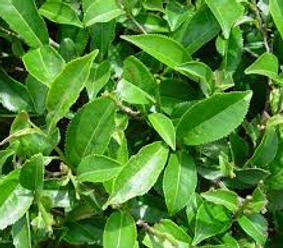
Camellia sinensis
Latin Name: Camellia sinensis
English Names: Green tea, black tea, oolong tea
Family Name: Theaceae
Parts used: Leaves, Buds
Medicinal uses of Camellia sinensis (Green tea)
Camellia Sinensis is widely known as Green tea found in all pharmacies worldwide. It is used as diuretic, stimulant, anti-oxidant and blood sugar regulator.
There are three main varieties of tea including green, black, and oolong. The difference is the processing method. Green tea is prepared from unfermented leaves as at that stage, it contains the highest concentration of antioxidants.
Green tea is prescribed for cholesterol, atherosclerosis, indigestion and certain types of cancer including that of liver, lungs, esophagus, stomach, bladder and breast.
The leaves are believed to promote mental clarity, lower high blood pressure and decrease metabolic problems.
In some of Asian herbal systems, they also used green tea as a stimulant, diuretic and astringent, and several studies have mentioned its atherosclerosis preventive action, hence, protecting the heart by lowering cholesterol and triglyceride levels.
Another clinical study showed that both green and black teas can help protect the body against cancer. In India, black tea used to be one of the best remedies for kidney stones, but it is now replaced with other plants that are more effective beacause black tea causes constipation; and for this action, the use of black tea internally was only recommended for a few days.
Green tea is take in almost every type of cancer, including that of ovaries, colorectal, pancreas, skin, etc. but its effect in relieving cancerous symptoms is too low and it doesn’t apply to everybody.
PACKAGING
100 GRAMS X12, powder

Camptotheca acuminate
Latin Name: Camptotheca acuminate
Chines Name: Xi Shu
English Name: Cancer Tree, Tree of Joy, Happy Tree
Family Name: Nyssaceae
Parts used: Bark, Leaves, Fruit
Always buy organic!
Medicinal uses of Camptotheca acuminate (Happy Tree)
The tender leaves are found to have the highest concentration of the compounds and so, their extract is prescribed for brain tumors, leukemia, liver, spleen and intestinal cancer.
Leaves, fruits and bark are also used in medicinal preparations but not commonly as tender leaves.
Happy Tree was first used by the ancient Chinese as a treatment for psoriasis, liver and stomach complaints, cancer and common colds. Later on, it underwent the scientific research to determine if there’s an anti-cancer property in Happy-tree. According to the National Cancer Institute in the United States, the cancer-fighting properties were observed by Dr. Monroe E. Wall of the USDA and Jonathon Hartwell National Cancer Institute in 1958.
The main compound in Happy Tree is Camptothecin (a pentacyclic quinoline alkaloid) found in the stem bark, root bark, seeds, and leaves, but as mentioned above, the highest concentrations is said to be in the tender leaves.
Studies indicate Camptothecin and its derivatives can inhibit the nuclear DNA topoisomerase I enzyme and has an effect of interrupting the replication and transcription of cancer cells. This constituent is not water-soluble, can be highly toxic and some people reported that it causes diarrhea and dysentery. Worldwide sale of Camptothecin reached about US$1 billion per year. It is gathered from China and exported to many countries of the world for synthesizing Camptothecin.
PAKAGING
100 grams X12, tender dried leaves

Botanical Name: Carica papaya
Family Name: Caricaceae
Common Name: Papaya, Paw Paw, Kates, Papaw
Part Used: Leaves, Fruits, bark, leaves
Always buy organic!
Medicinal uses of Carica papaya
Carica papaya contains an enzyme known as papain which is present in the bark, leaves and fruit. The milky juice is extracted, dried and used as a chewing gum for digestive problems, toothpaste and meat tenderizers.
It also contains many biological active compounds including chymopapain and papain which is the ingredient that aids digestive system, and again used in treatment of arthritis.
Carica papaya constituents exhibit alkaline combination, as with borax or potassium carbonate and they have showed good results in treatment of warts, corns, sinuses, eczema, cutaneous tubercles and other hardness of the skin, and also injected into indolent glandular tumors to promote their absorption.
Green fruits of papaya are used to treat high blood pressure, dyspepsia, constipation, amenorrhoea, general debility, expel worms and stimulate reproductive organs.