

You can shop for herbs at low prices. Our packing is set for retailers, wholesalers or pharmacists. Meaning that, you can buy from us and display for retailing, wholesaling and extracting. A box of the roots, bark, leaves, flowers or leaf powder, etc. contains 12 packets and each packet weighs 100-150 grams. Only some of the flowers are packed in 50gramsX12. Remember that, we deliver orders freely to Maputo, Johannesburg, Dar-es-salaam, Kampala, Lusaka, Windhoek, Gaborone, Harare, Lilongwe and Nairobi.
Aminaherbs.com offers the best quality herbs from India and other countries of the world. Spend up to US$ 1000 today and receive up to 20% discount plus free shipping!
Should you wish to buy proper herbs? Kindly contact us on
+255 74 200 8000
WhatsApp;
+255 672 40 6667
E-mail Address;


Medicinal Uses of Cassia angustifolia (Arabian Senna)
Botanical Name: Cassia angustifolia
Sanskrit Name: Markandika, Swarnaptiri
Indian Name: Sonai, Sona-mukhi
English Names: Senna, Arabian senna
Family Name: Fabaceae
Parts used: Leaflets, pods
Medicinal uses:
Cassia Angustifolia uses started from ancient Arabians; it was administered for atherosclerosis, eye-sight, constipation, and certain liver conditions.
Now days, Cassia Angustifolia infusions are used for anemia, bronchitis, dysentery, fevers, hemorrhoids, constipation, jaundice, dermatitis, weight-loss, wounds and ringworms, and as laxative and blood cleansing actions.
Medicinal Uses of Catharanthus roseus
Botanical Name: Catharanthus roseus
Sanskrit Name:
Indian Name:
English Name: Periwinkle, Madagascar periwinkle, church flower, cape winkle, old maid, rosy periwinkle
Family Name: Apocynaceae
Parts used: Leaves, Flowers, Roots
Medicinal Uses:
Though the Catharanthus roseus has certain toxic compounds, it is still used due to its anticancer effects, alkaloid vincristine and vinblastine compounds that showed good results in treating lymphoma, leukemia, breast and lung cancer, Hodgkin’s disease, diabetes, rheumatism, menorrhagia, and for its as a blood pressure lowering activity.
Medicinal Uses of Caulophyllum thalictroides (Blue Cohosh)
Botanical Name: Caulophyllum thalictroides
Sanskrit Name:
Indian Name:
English Name: Blue Cohosh, Squawroot, Blueberry Root
Family Name: Berberidaceae
Parts used: Roots
Medicinal uses:
Blue Cohosh has long been used to treat a large number of diseases, including uterine inflammation, anxiety, rheumatism, toothache, indigestion, stomach cramps, lung and kidney diseases, fever, arthritis, spasms, dysmenorrhea, menorrhagia, venereal diseases and to promote child birth by hastening labor.
Should you wish to buy proper herbs? Kindly contact us on
+255 74 200 8000
WhatsApp;
+255 672 40 6667
E-mail Address;

Medicinal Uses of Centella asiatica
Botanical Name: Centella asiatica
Sanskrit Name: Mandukparni, Brahmi, Manduki, Vallari
Indian or Chinese Name: Brahmi, Luei Gong gen
English Name: Gotu kola, centralla, Indian pennywort
Family Name: Apiaceae
Parts used: Leaves, stem
Medicinal Uses:
Gotu kola is another herb that is highly respected by the Asians; it has blood purifying action, anti-inflammatory, antioxidants and antimicrobial activities. Gotu kola acts as a general health tonic, and it also has a number of triterpenoids compounds that has shown cells rebuilding effect.
Gutu Kola is made of tablets, tinctures, syrups and its parts are sold dry or raw in many markets of India, Sri Lanka and other countries of the world. Gotu kola is highly respected for its ability of increasing mental function, enhancing longevity, treating wounds, nervous disorders, and brain cells damage.
Gutu Kola is also considered an effective in treatment of fever, leprosy, lupus, eczema, psoriasis depression, emotional sickness, ulcers, syphilis, hepatitis, mental fatigue, epilepsy, diarrhea, asthma and other respiratory diseases.
Gotu kola is used in treating burns, ulcers, edema, varicose veins, and insomnia, enhances memory, and lowers blood pressure.

Medicinal Uses of Curare (Chondrodendron tomentosum)
Latin Name: Chondrodendron tomentosum
Sanskrit Name:
Other Name: Woorari, Grieswurzel, Pureira
English Name: Curare, Velvet Leaf, Grieswurzel, Pareira
Family Name: Menispermanceae
Parts used: Leaves, Root
Medicinal Uses:
For centuries, Curare has been in the folk remedies of many ailments; this includes fever, menstrual disorders, and it also acts as a diuretic, antispasmodic and antibacterial agent.
The root of Curare is boiled and used to treat edema, kidney stones, and inflammation of the testicles. A poultice made of the leaves is used for bruises and snakebites.
Both leaves and roots are used for kidney stones, arthritis, rheumatism, polio, prostatic enlargement, muscle spasms, urinary tract infections and gonorrhea.

Medicinal Uses of Cichorium intybus (Wild Chicory)
Botanical Name: Cichorium intybus
Sanskrit Name: Kasni
Indian Name:
English Name: Wild Chicory, Chicory, Succory
Family Name: Asteraceae
Parts used: Leaves, Roots and other parts
Medicinal Uses:
Apart from Chicory being used as coffee, it also has many medicinal properties.
Chicory has long been used and believed as a cooling property- being useful in the treatment of inflammations.
Both leaves and roots of chicory are boiled together and used to treat stomachaches, liver and kidney disorders.
Today, Chicory is used as a tonic, diuretic, antioxidant, blood cleanser, and immunomodulator.
It is said to help in curing indigestion, increase appetite, and relieve syphilis and cholesterol.


Medicinal uses of Cinnamomum tamala
Botanical Name: Cinnamomum tamala or Verum
Sanskrit Name: Taj, Tamalpatra
Indian Name: Tejpatta, Nagdanti
English Name: Cinnamon, Cylon Cinnamon, Indian Cinnamon
Family Name: Flacourtiaceae
Parts used: Bark, Leaf Oil
Medicinal Uses:
Cinnamon was first used by Indies and Arabians as a spice, and tea. And then it was prescribed for the cure of respiratory disorders; including flu, sinus, asthma and chronic inflammation of the mucous membrane.
Cinnamon possesses anti-spasmodic, antifungal, antibacterial and carminative agents.
It is considered effective in treating gastro intestine, chronic fatigue, rheumatism, diarrhea, menstrual problems, including leucorrhea and certain virginal infections, and to increase circulation. It is also combined with betel leaves, black pepper and other herbs for weight loss.
Medicinal uses of Cinchona officinalis
Botanical Name: Cinchona officinalis
Sanskrit Name:
Indian Name:
English Names: Red Cinchona, Quinine, Peruvian bark, Jesuit’s bark
Family Name: Rubiaceae
Parts used: Bark, Root
.
Medicinal uses:
Cinchona Officinalis has blood temperature lowering activity, bitter alkaloids, quinine and anti-malarial action. It is been used since the ancient times as a cure for malaria, fevers, gastrointestinal complaints, amoebic dysentery, and certain heart disorders.
Cinchona Officinalis is also recommended for liver, spleen, and gallbladder diseases palpitations, anemia, diarrhea, back-ache, varicose veins, muscle cramps, spasm, flu and lung infections and as an antibacterial and antipyretic activity.
Medicinal uses of Cimicifuga racemosa
Botanical Name: Cimicifuga racemosa
Sanskrit Name:
Indian Name:
English Name: Black cohosh, Black snake root, Bugwort, Macrotys
Family Name: Ranunculaceae
Parts used: Roots/rhizome
Medicinal uses:
Black cohosh has long been considered as a cure for rheumatism and certain gynecological diseases including menopause symptoms. A concoction made of the root is drunk by women as a tonic for reproductive organs and also taken for kidney disorders, malaria and sore-throat and is sometimes bathed for aching joints.
Black cohosh is highly recommended for tuberculosis, fatigue, rheumatism, kidney and menstrual disorders, hot flashes, irritability, anxiety, mood swings and Insomnia.


Medicinal of uses Cissampelos pareira
Botanical Name: Cissampelos pareira
Family Name: Menispermaceae
Common Name: Velvet Leaf, Abuta, Pereira Root, Barbasco.
Part s Used: Whole Vine, Seed, Bark, Leaf, Root.
Medicinal uses:
Cissampelos pareira possesses antibacterial, anti-inflammatory, antihistamine, antioxidant, antispasmodic, diuretic, hypotensive, muscle relaxant, uterine relaxant, antiseptic, aphrodisiac, analgesic, antihemorrhagic, cardiotonic, diaphoretic, expectorant, febrifuge, hepatoprotective stimulant and tonic activities.
It is well known as Midwife's herb as mainly used for treating women’s diseases. It has been used since the ancient times as a cure for menstrual problems, hormonal imbalance, and to ease childbirth, postpartum pain, prevent threatened miscarriage, and control uterine hemorrhages, hormonal acne and premenstrual syndrome (PMS).
A decoction of the whole vine is taken by women for 2 months before and throughout pregnancy and again three months after delivery. It is then used to birth infants as a tonic and prevention for skin diseases and taken internally for convulsions, ulcers, indigestion, skin irritations, cough, fever, intestinal worms, and wounds and also used in treatment of heart disorders, kidney stones, asthma, arthritis, muscle cramps, stomachaches, and malaria.
I'm a paragraph. Click here to add your own text and edit me. I’m a great place for you to tell a story and let your users know a little more about you.
Medicinal of uses Citrus cinensis
Botanical Name: Citrus cinensis
Sanskrit Name: Mosambi
Indian or Chinese:
English Name: Orange, Neroli, Sweet-lime
Family Name: Rutaceae
Parts used: Fruits, flowers, fruit-rinds, oil
Medicinal uses:
Citrus cinensis has long been used as a rich source of vitamin C and E.
Its fruits are eaten and used to prepare juice which’s been a part of diet in many patients of cancer and other health complaints.
It contains flavanoids, flavonones, synephdriene compounds, antioxidants and anticancer activities, and also essential oil which are recommended for skin diseases, diarrhea, poor circulation, high blood pressure, depression, insomnia, and fatigue and weight loss control.
I'm a paragraph. Click here to add your own text and edit me. I’m a great place for you to tell a story and let your users know a little more about you.
Medicinal Uses of Autumn Crocus
Botanical Name: Colchicum autumnale, Colchicu luteum
Sanskrit Name:
Indian Name: Suranjan
English Name: Naked-ladies, Meadow Saffron, Autumn Crocus
Family Name: Liliaceae
Parts used: Corms and Seeds
Medicinal Uses:
Autumn crocus has long been used in herbal medicine as a painkiller and as a treatment for gout, arthritis, rheumatism, painful muscles and joints, and a number of other inflammatoryconditions.
Autumn crocus contains cathartic, emetic and diuretic properties. Over the years, it has been used to treat heart palpitations, gonorrhea, enlarged prostate, fever, inflammatory diseases, chronic bronchial complaints, nausea, and certain nervous ailments.
A paste made from the bulb was also said to treat tumors, a poultice from the leaves helped eliminate corns, and a decoction of seeds was said to be an effective remedy for leukemia.
Autumn crocus is still in use up to now, carefully with professional supervisions, extracts are administered to treat acute gout and rheumatism.
It is mainly considered as anti-depressant, anodyne, antispasmodic, abortifacient, aphrodisiac, carminative, diaphoretic, emmenagogue, expectorant, narcotic, nervine sedative stimulant, stomachic and rejuvenative, and also useful in treating fever, cough, depression, enlargement of liver, flatulence, colic, insomnia and asthma, leucorrhoea, headache, sores, hemorrhoids and snakebite.
Seeds act as food flavoring agent and yellow coloring for various breads, soups, sauces, rice and puddings, and also used on cosmetics preparations.


Medicinal Uses of Commiphora myrrha
Botanical Name: Commiphora myrrha
Sanskrit Name: Bola
Indian or Chinese Name: Mo yao, shu, hirabol myrrh, raktabo
English Name: Myrrh, common myrrh
Family Name: burseraceae
Parts used: Resin, oil
Medicinal Uses:
Commiphora myrrha volatile oil has powerful stimulant, anti-inflammatory, antioxidant, astringent, and a chemical called prostaglandin. It is used for treating digestive upsets, rheumatism, bronchitis, sore throat, congestion, gum inflammations, skin ulcers, asthma, and wounds and as a general tonic and a thyroid stimulant.
I'm a paragraph. Click here to add your own text and edit me. I’m a great place for you to tell a story and let your users know a little more about you.
Medicinal Use of Crataegus laevigata
Botanical Name: Crataegus laevigata
Sanskrit Name:
Indian Name:
English Name: Hawthorn, May Tree Quickset, Whitethorn, Bred and Chinese Tea
Family Name: Rosaceae
Parts used: Leaves, Flowers, Fruits
Medicinal uses:
Hawthorn created its fame in many parts of Eastern and western herbal practitioners after it was found very beneficial in the treatment of High blood pressure and arteriosclerosis. It also showed a high content of oligomeric procyanidins and flavonoids.
It is highly valued due to its ability of treating urinary tract infections, including kidney and bladder diseases, stomachache, congestive heart failure, arteriosclerosis, nervous tension, insomnia, sore throat and indigestion, and has relieving agents or even possible cure for high blood pressure in some people.
The dry fruits of Hawthorn are also eaten by people and believed to cure scurvy and stomach complaints.
I'm a paragraph. Click here to add your own text and edit me. I’m a great place for you to tell a story and let your users know a little more about you.
Medicinal Use of Cucurbita pepo (Pumpkin)
Botanical Name: Cucurbita pepo
Sanskrit Name:
Indian Name:
English Names: Pumpkin, Vegetable marrow, Field pumpkin
Family Name: Cucurbitaceae
Parts used: Flesh, Seeds
Medicinal Uses:
Cucurbita pepo tender leaves are used in Eastern and Southern Africa regions as salads and sometimes food; the fruit is cut into pieces, cooked and eaten. The seeds are dried, roasted, then crushed and used to prepare source, or as other people the way they use peanuts.
Cucurbita pepo possesses fatty acids, minerals, sterols, vitamin E, and nonprotein amino acids.
The seeds are widely used for bladder disorders, stomach upsets, intestinal worms, bedwetting, rheumatism, benign prostatic hyperplasia, burns, wounds, and certain female reproductive complaints, and acts as a diuretic agent.
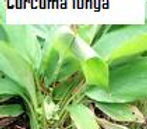


Medicinal uses of Curcuma Longa (Turmeric)
Botanical Name: Curcuma longa
Sanskrit Name: Haridra
Indian or Chinese Name: Haldi, Jiang Huang
English Names: Indian Safron, Yellow Ginger, Turmeric
Family Name: Zingiberaceae
Parts used: Rhizome
Medicinal uses Curcuma Longa (Turmeric):
Curcuma Longa is widely used in Aryuvedic, Unani-tibb and Sidha herbal systems, acts as a
antioxidant, antispasmodic, anti-inflammatory and antimicrobial activities.
It is also recommended for treating diabetes, high cholesterol, abdominal pains, menstrual disorders, wounds, eczema, psoriasis, jaundice, and certain cancerous symptoms, and as a blood purifying activity.
Medicinal Uses of Cymbopogon citratus (Lemon Grass)
Botanical Name: Cymbopogon citratus
Sanskrit Name: Bhustrina, Gandhatran
Indian Name: Gavatui Chana
English Name: Lemon Grass, Fever-grass
Family Name: Poaceae
Parts used: Leaves, young stems, Oil
Medicinal Uses:
Lemon Grass or Cymbopogon Citratus was first used by the Asians and then went to other countries of the world where therapeutics prepared oil from it due to its ability of treating cough, fevers, depression, nervous diseases, and certain skin conditions, and as an antifungal, antibacterial and antiseptic property.
A poultice made of Lemon grass is also administered for fungal infections, and tea made of the grasses is taken for asthma, urinary tract infections, digestive complaints, headache, fevers, and to promote sweating.
Medicinal uses Daucus corota (wild carrot):
Botanical Name: Daucus corota
Sanskrit Name: Garja
Indian Name:
English Names: Queen Anne’s lace, Bee’s nest, Bird’s nest, wild carrot
Family Name: Apiaceae
Parts used: Leaves, seeds, root, stem
Medicinal uses Daucus corota (wild carrot):
Wild carrot possesses Vitamin A, B1, B2, C, anti-oxidant, and many other chemical compounds including flavonoids, monoterpene, sesquiterpens, etc. It also has some minerals, including iron, copper, potassium, magnesium, manganese, sulphur and phosphorus.
Wild carrot is recommended for liver, poor immune function and blood disorders, diabetes, intestinal worms, flatulence, indigestion, gout, heart-stroke, sores and cancerous tumors. It also has powerful diuretic, purgative and aphrodisiac activities.
Seeds are also beneficial in treating kidney and bladder diseases, impotence and nervous disorders


Medicinal uses of Digitalis purpurea (Folks-glove)
Botanical Name: Digitalis purpurea
Sanskrit Name:
Indian Name:
English Name: Foxglove, Purple Foxglove, Finger-hut, Folks-glove, or Dead Men’s Bell
Family Name: Scophulariacea
Parts used: Leaves
Medicinal uses of Digitalis purpurea:
Digitalis purpurea has centuries in herbal markets; people from British and Europe continent, used the herb for treating coughs, epilepsy, paralysis, swelling of lymph glands, sores, skin ulcers, wounds and as an expectorant and for its heart stimulating property.
In the conventional medicines, they also used Digitalis Purpurea for heart failure, palpitations, and some other heart diseases. It contains digitoxin and ditoxin components that act as heart tonic.
Medicinal uses of Dioscorea villosa (Wild Yam)
Botanical Name: Dioscorea villosa
Sanskrit Name:
Indian or Chinese Names: Bai liu
English Names: Rheumatism Root, Wild Yam, Colic Root, China Root
Family Name: Dioscoreaceae
Parts used: Tubers, Roots
Medicinal uses of Dioscorea villosa:
For more than a thousand years, Dioscorea Villosa was a remedy for rheumatism, muscle spasms, colic and commonly acted as a contraceptive.
Today, Dioscorea Villosa is prescribed for morning sickness, menstrual pains, intestinal complaints, spasms, rheumatoid arthritis, and believed to stimulate bile flow, dilate blood vessels, and act as an anti-inflammatory. It also contains cortisone and hydrocortisone’s compounds that are mainly used as contraceptives.
Medicinal uses of Echinacea purpurea
Botanical Name: Echinacea purpurea, E. angustifolia, E. pallida
Sanskrit Name:
Indian Name:
English Name: Echinacea, purple coneflower, purple Echinacea, coneflower
Family Name: Astaraceae
Parts used: whole plant
Medicinal uses of Echinacea purpurea:
The use of Echinacea started from ancient Native Americans and continued to other countries until today, it is now cultivated worldwide and supplied as one of the most expensive herbal medicines in drug stores.
Echinacea is made of tinctures, tablets, syrups and each part of the plant neither dried nor raw, are sold differently.
Echinacea root is highly recommended for treating digestive complaints, rabies, coughs, meningitis, diphtheria, tonsillitis, sinus, indigestion, diarrhea, cholera, skin problems, colds, flu and toothache.
Echinacea possesses immunostimulating effects, anti-inflammatory, antibiotic, antiviral, and detoxifying properties.
Therapeutics prescribes Echinacea for many ailments, including wounds, chronic fatigue accompanied by arthritis, infectious diseases, hay fever, asthma, sunburns, and prevention of premature aging.


Medicinal Uses of Eleutherococcus
Botanical Name: Eleutherococcus, Senticosus,
Sanskrit Name:
Chinese Name: Ci wu jia
English Name: Siberian ginseng, Russian ginseng, Touch-me-or-not
Family Name: Araliaceae
Parts used: Roots, stem, bark
Medicinal Uses of Eleutherococcus/ Senticosus;
Eleuthero has powerful abilities of decreasing mental stress, alleviating fatigue, improving concentration, and enhancing memory.
Many Chinese physicians prescribe Eleuthero for stress related disorders, colds, flu, heart diseases, and as a tonic.
Eleuthero improves body’s resistance to the ailments, enhances memory, increases appetite, and as well as stamina.
Eleuthero gains market in many countries, including Europe, Asia and US; they have also considered it a useful tonic, an immunositimulatory and as a cure for many ailments.
Cultivation:
Eleuthero requires rich and well-drained soil in full sun. Starting Propagation done by the cuttings is found easier than sowing seeds.
Embalica Oficinalis (Amla)
Latin Name: Embalica Oficinalis, Phyllunsus Embalica
Sanskrit Name: Amalaki, Dhatri, Amrita, Sheeta, Gayatrei, Rocheni
Indian Name: Amla, Aavla
English Name: Embelic Myrobian, Indian Goose Berry
Family Name: Phallanthaceae
Parts used: Leaves, Seeds, Bark, Root bark
Medicinal uses of Embalica Oficinalis (Amla):
Amla seem to be used worldwide due to its values; they are so many products containing amla as the main ingredient; these include oils, lotions, tablets, tinctures, syrups and seeds or powder.
It is considered as the second richest source of Vitamin C. The content of amla’s ascorbic acid may range from 1100 to 1700 per 100 grams and also possesses a little amount of tannin, protein, pectin and some minerals; It might be a slow cure plant but very effective in treating so many diseases.
Amla is proved useful in treating many of gynecological disorders, including menorrhagia, and leucorrhoea.
It is also beneficial for treating stomach complaints, gonorrhea, jaundice, diarrhea and myalgia, conjunctivitis, inflammation, dyspepsia, dysentery, diabetes, cough, asthma and bronchitis.
Amla has special powers that can combat leprosy, colic, flatulence, hyperacidity, peptic ulcer, erysipelas, skin, diseases, haematemesis, hemorrhages, anemia, emaciation, leucorrhoea, cardiac disorders, and fevers and may prevent grey hair if used regularly.
Ephedra Sinica
Botanical Name: Ephedra Sinica, E. Equisetina, E. Intermedia
Sanskrit Name:
Chinese Name: Ma Huang
English Name: Desert Tea, Ephedra
Family Name: Ephedraceae
Parts used: Stems
Medicinal uses of Ephedra Sinica:
It contains alkaloids ephedrine and pseudoephedrine; acts as a powerful stimulant for central nervous system, mimics the effects of the hormone adrenaline in the body.
Ephedra has long been used to treat respiratory disorders, including coughs, colds, asthma, sinus, bronchitis, allergies and to control weight gain.
Chinese physician also prescribed Ephedra for treating asthma, bronchitis, colds, flu, coughs and wheezing, fever, chills, aching joints and bones, nasal congestion and allergies.
Ephdra is still gaining market as a treaty for similar diseases and it also has a unique power that is helpful in low blood pressure patients.


Eucalyptus globulus
Botanical Name: Eucalyptus globulus
Sanskrit Name:
Indian Name: Nilgiri
English Name: Eucalyptus, Blue gum, Tasmania blue gum, Australian fever tree
Family Name: Myrtaceae
Parts used: Leaves, oil
Medicinal Uses of Eucalyptus globulus:
The root, bark, gum and leaves of Eucalyptus were widely used for medicinal preparations during the first centuries.
Today it is the essential oil made of eucalyptus found in almost all pharmacies worldwide, and also the dried leaves in a form of tea.
A poultice made of Eucalyptus leaves is used for healing wounds and other skin problems, and tea is also taken for many diseases.
The plant is pungent, astringent and antiseptic; to use the oil, one should blend it into a lotion, base oils, or massage oils to avoid burning sensations.
Therapeutics prescribes Eucalyptus for wounds, fungus, muscle pain, bruises, rheumatism, neuralgia, sprains, coughs colds, throats, bronchitis, sinusitis, congestion and some skin conditions.
Euphrasia officinalis
Botanical Name: Euphrasia officinalis
Sanskrit Name:
Indian Name:
English Name: Eyebright, euphasia
Family Name: Scrophulariaceae
Parts used: Leaves and stem
Medicinal uses of Euphrasia officinalis:
Euphrasia officinalis is mainly used to treat eye infections, including conjunctivitis, glaucoma, inflammations and ulcers of the eyes.
Euphrasia officinalis is again recommended for bronchitis, eczema, hay fever, chronic inflammations of mucous membrane, allergic rhinitis, coughs, and stomachaches.
The leaves and stem of Euphrasia officinalis are the parts of the plant used in preparations of the syrups, decoction and or poultices.
It possesses anti-iflammatory, antibacterial, astringent actions and chemical compounds including glycosides, flavonoids and tannins.
Erythroxylum coca
Botanical Name: Erythroxylum coca
Sanskrit Name:
Indian Name:
English Name: Coca, Cuca
Family Name: Erythrolaceae
Parts used: Leaves
Medicinal Uses of Erythroxylum coca
Coca contains a powerful stimulating effect. It was commonly used by many people in Peru and Bolivia to adapt high energy, especially farmers; they used the plant to increase gats during digging hours, and to reduce hanger and fatigue.
Both ladies and men also used powdered Coca leaves by mixing together with a bit of lime and then chewed them as a drug similar to those who press the tobacco inside the mouth for a long time.
Some Americans and Europeans also used the herb as a stimulant and others for its caffeine and cocaine content and some of Bushmen in East Africa used the leaves as an aphrodisiac.


Ficus bankhalensis (Banyan Tree)
Botanical Name: Ficus bankhalensis
Sanskrit Name: Vat
Indian Name: Bargad Vad, Bor, Ber, pedda mari, vatnam, Ala mara
English Name: Banyan Tree
Family Name: Moraceae
Parts used: Bark, Seeds, Figs, Leaves,
Medicinal uses of Ficus bankhalensis:
Banyan tree has long been used by many herbalists in India by putting certain parts of the plant together with other herbs and treat various ailments; such as toothache, diabetes, diarrhea, urinary tract infection, bleeding piles, boils and abscesses, certain types of fevers, leucorrhea, wounds, gender selection, ulcers, joint pains, cracks on the heels, corneal opacity and to aid child birth.
Ficus religiosa (Peepal Tree)
Latin Name: Ficus religiosa
Sanskrit Name: Ashwatha
Indian Name:
English Name: Peepal Tree, Sacred Tree
Family Name: Moraceae
Parts used: Leaves, Seeds, Bark, Fruit
Medicinal uses of Ficus religiosa (Peepal Tree):
Roots are used for gout and chewed to prevent gum disease. The leaves of the peepal are used in combating bleeding; about 50 ml of raw juice of the leaves or 1 tablespoon of powdered dried leaves can be taken with water first thing in the morning and again bed time. Also use the same in treating constipation, mumps, boils.
Ficus religiosa infusion can be taken for heart palpitation and cardiac weakness, and a paste of the leaf can be applied on wounds and bruises
The bark of Ficus religiosa is administered for jaundice, gonorrhea, ulcers and excessive urination. Seeds and fruits are good for VDs, early ejaculation, and also good in spermatozoa.
Peepal root is mainly used for neck problems and swollen lymphatic glands. It is usually applied on the affected part.
Foeniculum vulgare (Fennel)
Botanical Name: Foeniculum vulgare, F. vulgare valgare dulce
Sanskrit Name: Mishriya, Madhurika, Shatpushpa
Indian Name: Saunf, Badisep
English Name: Fennel, Wild Fennel, Fenkel, Sweet fennel, Finicchio
Family Name: Apiaceae
Parts used: Seeds
Medicinal Uses Foeniculum vulgare (Fennel):
Apart from being a spice, fennel is a good remedy for digestion and a powerful milk stimulant in breast feeding women.
It is also highly recommended for anemia, weight loss, menorrhagia, dysmenorrhea, fibroids, stomachaches, sore throat, gum infections, and coughs.
When Fennel is mixed with other herbs professionally, it treats many ailments, including conjunctivitis and other eye infections, intestinal worms and flatulence, coughs, bad-breath, skin diseases.
And it also has anti-inflammatory, antispasmodic, antimicrobial properties, estrogen promoting activities, fenchone and estragole compounds.
Taking fennel dry seeds immediately after eating food is a habit which was formed by Indians but highly beneficial for digestive system.


Frangula purshian (Buckthorn)
Botanical Name: Frangula purshian
Sanskrit Name:
Indian Name:
English Name: Cascara Sagrada, California Buckthorn, Cascara Buckthorn, Sacred buck
Family Name: rhamnaceae
Parts used: Bark
Medicinal uses of Frangula purshian:
The bark of cascara sagrada contains a powerful purgative which is considered effective on digestive tract.
Cascara sagrada’s bark is also made of supplements and infusions that are prescribed as a digestive stimulant and a cure for colitis, stomach complaints, hemorrhoids, and certain liver diseases.
Gaultheria procumbens (Wintergreen)
Botanical Name: Gaultheria procumbens
Sanskrit Name:
Indian or Chinese Names:
English Names: Wintergreen, Tea-berry, Mountain-tea, Canada-tea, Checker-berry
Family Name: Ericaceae
Parts used: Leaves
Medicinal uses of Wintergreen
For many centuries, Gaultheria Procumbens was used for its pain killing action, most especially for headache, colds, stomachache, and to increase energy and breathing during hunting times. Its poultices were also applied to relieve muscle aches, arthritis, and rheumatism.
Today, Gaultheria Procumbens is highly known for its methyl salicylate content which is extracted from the leaf essential oil, and valued scientifically as a natural aspirin.
Gelsemium sempervirens (Yellow Jasmine)
Botanical Name: Gelsemium sempervirens
Sanskrit Name:
Indian Names:
English Names: Yellow Jasmine, False Jasmine, Wild Woodbine, Carolina Jasmine, Evening Trumpet Flower, Yellow Jessamine
Family Name: Laganiaceae
Parts used: Rhizome
Medicinal uses:
For about 1500 years, Yellow Jasmine has been administered as a powerful depressant of central nervous system, and to treat migraines, asthma, whooping coughs, irregular heartbeats, fever and anxiety.
Yellow Jasmine exerts certain alkaloids, but many of them are said to be highly toxic, this include gelsemine, gelsemicine, steroids, and glycosides, found in all parts of the plant containing poisonous substances which may result in death if consumed unwisely.


Gentian lutea (Bitterwort)
Botanical Name: Gentian lutea
Sanskrit Name:
Indian Name:
English Name: Gentian, Yellow Gential, Bitterwort
Family Name: Gentianaceae
Parts used: Roots
Medicine use of Gentian lutea
There’s time that central Europeans and western Asians appreciated the plant for its stomachic and appetite stimulating effects, it was also used for indigestion and anorexia.
Ancient Arab and Greek physicians also administered Gentian Lutea for stomachaches, jaundice and other diseases of the liver, including hepatitis B.
Gentian Lutea is still recommended by the physicians for many ailments, including intestinal worms, digestive disorders, and fever.
Gentian Lutea is said to improve appetite, strengthen digestion, cure indigestion, diarrhea, gout, jaundice, dysmenorrhea, menorrhagia, anemia, hysteria, worms, ulcers and certain infectious diseases, and is an effective blood stimulant and a rich source of gentiopicroside, amarogentin compounds and antimicrobials as properties.
Geranium robertianum
Botanical Name: Geranium robertianum
Sanskrit Name:
Indian Name:
English Name: Herb-Robert, Wild Cranesbill, Storkbill, Dragon’s Blood, Stinking Cranesbill
Family Name: Geraniaceae Reminiscent
Parts used: Leaves, Stem, Roots
Medicinal uses of Geranium robertianum:
Herb-robert has long been a folk remedy for a number of nations; Herb-robert’s tinctures, tcapsules, syrups, and one by one part of the plant sold dry or raw in many herbal stores around the world.
For many centuries, Herb-robert has been prescribed for menorrhagia, nose bleedings, wounds, cancer, diarrhea, kidney and bladder disorders, and certain urinary tract infections.
Herb-robert’s tea is also highly recommended for gastrointestinal complaints, peptic ulcers, boils, gums, tonsillitis, typhoid, malaria, and tuberculosis.
Poultices made of Herb-robert leaves are also administered for various pains, including edema, bruises, inflammations, tumors, pigmentation, acne and eczema.
Herb-robert possesses anti-inflammatory, antiseptic, antibacterial properties, and a certain amount of tannins. It is bitter and astringent in taste and said to combat stomatitis, and many infectious ailments according to East Asians.
Ginkgo biloba
Biotanical Name: Ginkgo biloba
Sanskrit Name:
Indian and Chinese Name: Ginko, Yin-hsing, Bao gou
English Name: Ginkgo, Maidenhair tree
Family Name: Ginkgoaceae
Parts used: Leaves, Seeds
Medicinal Uses of Ginkgo biloba:
Ginkgo has long and widely been used by the Chinese as a cure for lung disease, including, asthma, tuberculosis, coughs, and bronchitis.
Ginkgo’s leaves are believed to stimulate the heart, blood circulation, improve lung and brain function, treats Alzheimer’s disease, varicose veins, Reynaud’s disease, hemorrhoids, and leg ulcers.
Ginkgo is said to be helpful for skin diseases, cataracts, muscular degeneration, retinopathy, neuropathy, urinary tract infection, stroke, and also prescribed for tinnitus, vertigo, chilblains and impotence. It possesses anti-inflammatory and natural antihistamine properties.


Medicinal use of Rhodiola rosea
Botanical Name: Rhodiola rosea, Sodum roseum
Sanskrit Name:
Indian Name:
English Names: Golden root, Rose-root, Arctic root
Family Name: Crassulaceae
Parts used: Flowers, Leaves, Root, Stem, Seeds
Medicinal use of Rhodiola rosea:
Ginkgo has long and widely been used by the Chinese as a cure for lung disease, including, asthma, tuberculosis, coughs, and bronchitis.
Ginkgo’s leaves are believed to stimulate the heart, blood circulation, improve lung and brain function, treats Alzheimer’s disease, varicose veins, Reynaud’s disease, hemorrhoids, and leg ulcers.
Ginkgo is said to be helpful for skin diseases, cataracts, muscular degeneration, retinopathy, neuropathy, urinary tract infection, stroke, and also prescribed for tinnitus, vertigo, chilblains and impotence. It possesses anti-inflammatory and natural antihistamine properties.
Medicinal uses of Glycyrrhiza glabra
Botanical Name: Glycyrrhiza glabra
Sanskrit Name: Yashtimadhu, Madhuyesti
Indian Name: Mullethi, Jestmadh
English Name: Licorice, Liquorice, Sweet-licorice
Family Name: Fabaceae
Parts used: Rhizome
Medicinal Uses Glycyrrhiza glabra:
Licorice has long been used for medicinal preparations worldwide. It has anti-inflammatory, antiviral, saponin glycyrrhizin and many important chemicals that are required for good health.
This herbaceous plant is highly recommended for many ailments, including certain infectious diseases such as HIV, hepatitis B and herpes virus infections.
Licorice root is prescribed for cervical cancer, kidney and bladder disorders, inflammation of mucous membrane, food poison, stomachaches, coughs, horse-voice, bronchitis, asthma, ulcers, arthritis, shingles, sun-burns, fevers in infants, and also used for insect bites.
Medicinal uses of Glycine max
Botanical Name: Glycine max
Sanskrit Name:
Indian Name:
English Names: Soya-bean, Soy
Family Name: Fabaceae
Parts used: Seeds
Medicinal uses of Glycine max:
Glycine Max is a powerful stimulant of immune system, used to decrease menopause symptoms, estrogen, lower cholesterol, treat certain types of cancers, including that of the breast, lungs, prostate, and leukemia.
Glycine Max is also used for treating inflammations, eye-infections, blood clotting, insomnia, fevers, liver and kidney disorders, oligospermia, stomachaches, intestinal complaints and cardiovascular diseases.
Glycine Max’s seeds possess fatty oil and useful chemicals, such as phosphatidycholine, phospholipid lecithin, phytoestrogens, and amino acids, and 40% of protein.


Medicinal uses of Guaiacum officinale
Botanical Name: Guaiacum officinale
Sanskrit Name:
Indian Name:
English Name: Guaiacum, Lignum Vitae, Pockwood, Guayacan
Family Name: Zygophyllaceae
Parts used: Resin, Heart Wood
Medicinal uses of Guaiacum officinale:
Guaiacum officinale has diuretic, anti-rheumatic, ant-inflammatory activities, lignans and guajol compounds.
Guaiacum officinale has long been believed as a cure for venereal diseases, sore throat, gout, palsy leprosy, epilepsy, chronic rheumatism, and fatigue.
Guaiacum officinale is also prescribed for tonsillitis and upper respiratory infections.
Hamamelis virginiana (Witch Hazel )
Botanical Name: Hamamelis virginiana
Sanskrit Name:
Indian or Chinese Names:
English Names: Witch Hazel, Snapping Hazel, Winter-bloom
Family Name: Hamamelidaceae
Parts used: Leaves, Bark, Twigs
Medicinal uses of Hamamelis virginiana:
Witch Hazel contains important chemical, including tannins, flavonoids and volatile oil, plus astringent, antioxidant, antiseptic, and antiviral properties.
It is highly prescribed for HSV1, and 2, diarrhea, dysentery, mouth ulcers, varicose veins, sore nipples, skin inflammation, sore throat, sprains, bruises and internal bleedings. Witch Hazel also acts as a skin tonic, a cure for eye inflammation, hemorrhoids and STDs.
Harpagophytum procumbens
Botanical Name: Harpagophytum procumbens
Sanskrit Name:
Setswana Name: Sengaparile
English Name: Grapple Apple, Wood Spider, and Devil’s Claw
Family Name: Pedaliaceae
Parts used: Secondary Roots
Medicinal Uses of Harpagophytum procumbens:
Devil’s Claw was once considered as a cure for all diseases of both humans and animals in some parts of Botswana, most especially the Khoikhoi of Kalahari Desert who used a decoction of dried secondary root for a large number of diseases including menstrual disorders, arthritis and rheumatism, and also gave it to the goats and sheep for the healing purposes before it was even introduced to the Europeans, Americans and Canadians where they used it to relieve arthritis and rheumatic pains.
Day by day, Devil’s Claw uses expand in Europe, Canada and U.S. as a folk remedy for rheumatoid arthritis, a general tonic, and an appetite stimulant.
Scientific studies prove Devil’s Claw’s ability of lowering high blood pressure and heart rate, relieving stomach complaints, tendinitis, headache, allergies, neuralgia and fevers.


Humulus lupulus (hops)
Botanical Name: Humulus lupulus
Sanskrit Name:
Indian Name:
English Name: hops, common hop, hop plant
Family Name: Cannabaceae
Parts used: Female flowers
Medicinal Uses Humulus lupulus of:
Hops female flowers have long been used to treat many ailments; they have sedative, calming and stimulating effects, used as a general health tonic and to treat insomnia, rheumatism, painful joints, fevers, intestinal worms, spleen and liver diseases, including jaundice.
Hops female flowers are also prescribed for hysteria, nervous tension and heart problems, spasm, asthma, indigestion, bowel syndrome, flatulence, intestinal cramps, diarrhea, stress, moody swings, headaches, and certain skin infections and it is used as an appetite stimulant.
Hydnocarpus kurzii
Botanical Name: Hydnocarpus kurzii
Sanskrit Name:
Indian Name:
English Name: Chaulmoogra
Family Name: Flacourtiaceae
Parts used: Seeds, Oil
Medicinal Uses of Hydnocarpus kurzii:
Ayurveda administers the oil in patients of leprosy. It is mixed with camphor to form injection medicine; the process which appears to be successful in treating leprosy and some of other health complaints.
Chaulmoogra’s oil is also used to treat psoriasis, eczema, fevers, scabies, athlete’s foot, sores, bruises, wounds and sprains and acts as antifungal agent.
Chaulmoogra’s properties and constituents include fatty acids, hydnocarpic, chaulmoogric, antibiotics and anti inflammatory.
Hydrastis canadensis (Goldenseal)
Botanical Name: Hydrastis canadensis
Sanskrit Name:
Indian Name: Indian Eye, Goldenseal, Indian Paint
English Name: Goldenseal, Yellow Root, Eye Root, Wild Turmeric, Ground-raspberry
Family Name: Ranunculaceae
Parts used: Rhizomes
Medicinal uses of Hydrastis canadensis:
For more than 1000 years, Goldenseal has been a medicinal plant which was considered as a cure-all.
Goldenseal root is bitter, possesses antiseptic, astringent, natural antibiotics activities, and alkaloids, hydrastine and berberine as compounds. Goldenseal is also used as a general health tonic, and in treating inflammation, cancer, and stomach upsets, improve appetite and boost the immune system.
Goldenseal cures diarrhea, earaches, eye and mouth sores, fever, whooping cough, improves heart and liver functions, used in treatment of fibroids and digestive complaints

Hypericum perforatum (St. John's Wort)
Botanical Name: Hypericum perforatum
Sanskrit Name:
Indian Name:
English Names: St. John's Wort, Hard-hay, Klamath-weed, John’s-wort, Amber, Goat-weed
Family Name: Clusiaceae
Parts used: Dried Flowering tops
Medicinal uses of Hypericum perforatum:
St. John's Wort possesses anti-viral, anti-oxidant, and antitumor activities, and a large amount of tannins, hypericin, hyporforin and flavonoids.
Its flowering tops are used for treating fevers, depression, nervous tension, insomnia, epilepsy, madness, dysentery, jaundice, herpes, HIV, wounds and sprains.
St. John's Wort is also prescribed for stomachache, infertility, pre-menstrual syndrome (PMS), bedwetting, hysteria, diarrhea, and lung infections, and as an antibacterial and anti-inflammatory agent.